
Last updated November 15, 2026
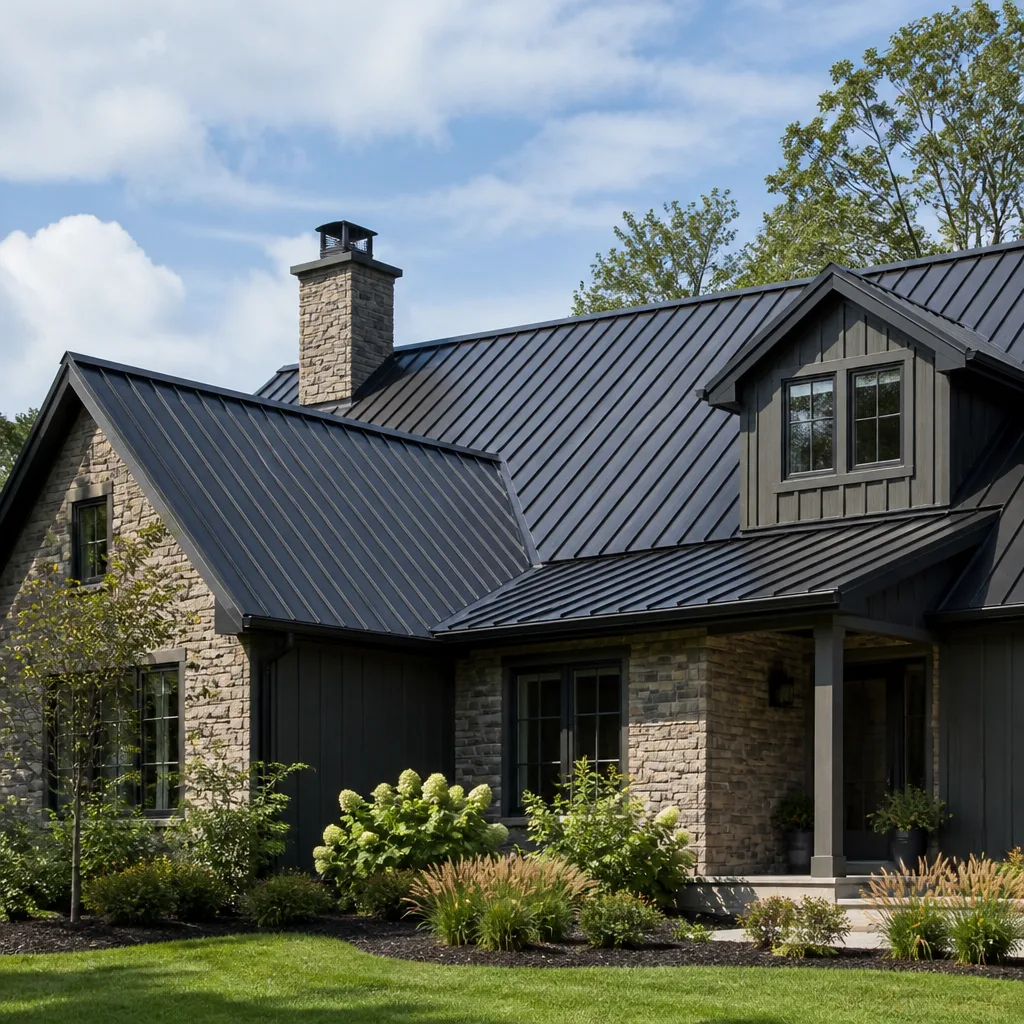 Metal roofing
 Architectural shingles
 Tile roofing
 GAF
 Owens Corning
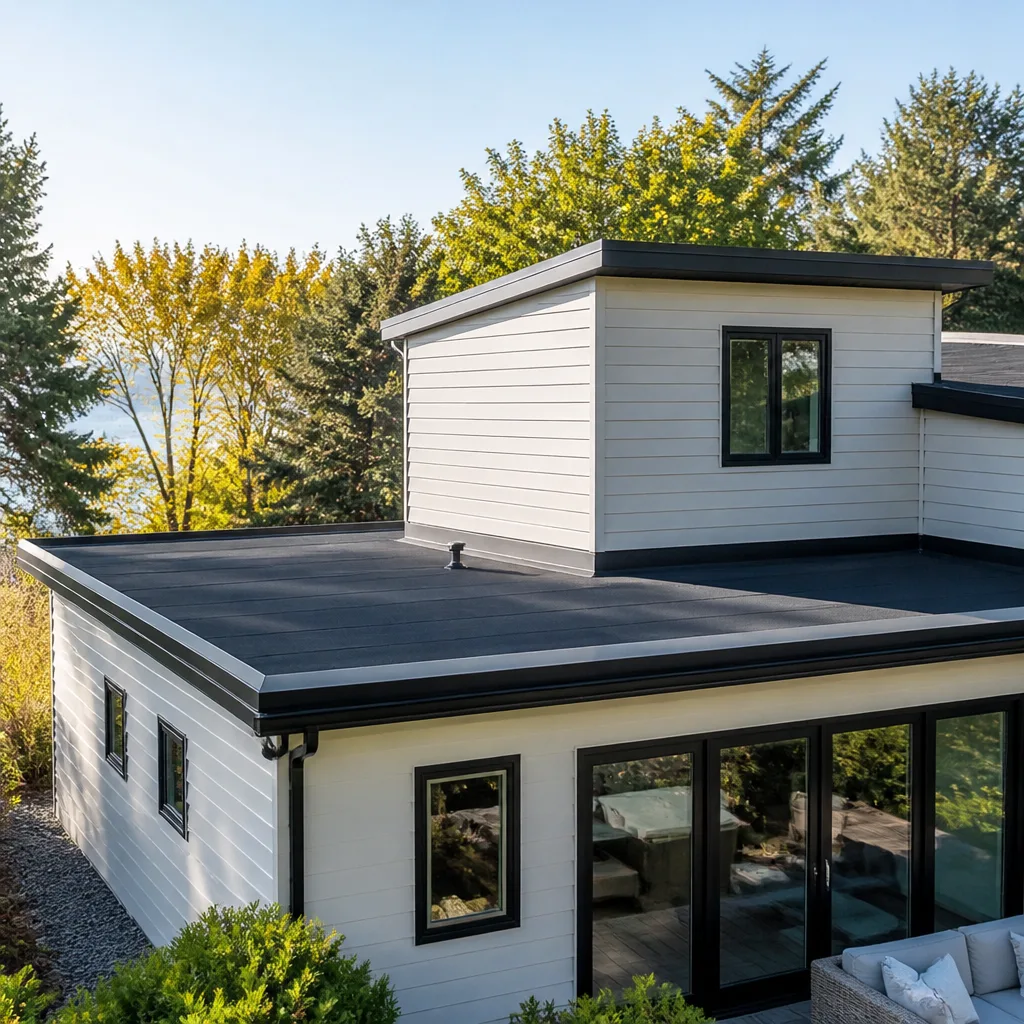 Flat & low-slope
Free roof inspection with deck photos before we talk money - GAF and Owens Corning certified installation
Roofing Warning Signs: A Syracuse Homeowner’s Reference Guide
The granules piling up at the bottom of your downspout aren’t the problem. They’re a receipt. Those gritty black specks are the mineral surface of your shingles wearing away, and the amount you find tells you how much life your roof has already spent. Most homeowners sweep them up every spring without reading what they mean. This guide works backward from the visible symptom to the underlying cause, so you can get a real sense of whether you’re looking at a small repair or a full replacement before anyone climbs a ladder. We’ll cover the failure patterns that show up again and again on Syracuse roofs, and the signs that tell you to act now versus plan ahead.
Quick Answer
Roof warning signs fall into three urgency tiers. Granule loss, minor ceiling stains, and isolated cracked shingles usually mean a targeted repair will hold. Sagging, daylight visible through the roof deck, and widespread curling point to structural or deck-level failure that needs professional evaluation and often a full replacement. In Syracuse, ice dam staining and winter freeze-thaw cycling are the two most common underlying causes behind symptoms that look unrelated on the surface.
Styles & brands we work with
- Architectural shingles
- Metal roofing
- Tile roofing
- GAF
- Owens Corning
- Flat & low-slope
Table of Contents
- Symptom-to-Cause: What Each Sign Actually Tells You
- Granule Loss: Reading the Receipt Your Shingles Leave Behind
- Ice Dam Staining vs. Bulk Water Intrusion in Syracuse
- Diagnosing Flashing, Shingle, and Deck Failures From Inside the Attic
- Repair Now, Budget for Replacement, or Replace Before Winter
- What to Photograph and Measure Before You Call
- Syracuse-Specific Failure Patterns Worth Knowing
- Why Material Choice Affects How Your Roof Fails
Symptom-to-Cause: What Each Sign Actually Tells You
Most warning-sign articles stop at the symptom. A stain on the ceiling is bad, sagging is bad, and you should call someone. That doesn’t help you decide anything. What matters is tracing each visible sign back to what’s actually failing underneath, because the same stain can come from three different problems with three very different price tags.
Here’s how the common symptoms map to their likely causes:
- Granules in gutters and at downspout outlets: normal aging of the shingle surface, or impact damage from a storm. On its own this is a lifespan indicator, not an active leak.
- Curling or clawing shingle edges: loss of adhesive bond and moisture cycling through the mat. Usually signals the shingles are near end of life, especially on south-facing slopes that take the most sun.
- Clawing and curling on a newer roof: often poor attic ventilation trapping heat and moisture under the deck.
- Sagging along the roofline: a deck or structural issue, not a shingle issue. This is the one sign you never wait on.
- Daylight visible in the attic: a gap in the deck or a failed penetration. Active water entry point.
- Brown rings or staining on interior ceilings: water is getting in somewhere above. The location of the stain rarely matches the location of the entry.
- Rusty nails or dark streaks in the attic: condensation or chronic minor leakage that’s been happening long enough to corrode fasteners.
In our experience across Syracuse, the single biggest diagnostic mistake homeowners make is treating the stain as the problem. The stain is where water exited. The roof problem is where it entered, and those can be fifteen feet apart. We’ll tell you if a repair will hold, and we’ll tell you when it won’t.
Granule Loss: Reading the Receipt Your Shingles Leave Behind
Every asphalt shingle is covered in mineral granules that protect the asphalt underneath from ultraviolet light. Those granules don’t last forever. As the asphalt ages, it loses its grip and the granules shed. Finding some in your gutter after a heavy rain is normal. Finding a steady accumulation every season tells you the shingle is well into its service life.
Here’s how to interpret what you’re seeing:
- Light, scattered granules: normal wear, likely early-to-mid life. Keep an eye on it.
- Heavy accumulation at downspout outlets, bare patches visible on the roof surface: the shingle is losing its UV protection. Expect the asphalt to start drying and cracking within a few years.
- Granules washing into gutters in sheets after a storm: either advanced age or impact damage from debris. Worth having checked before the next freeze.
What most people miss is that granule loss on a roof that’s only a few years old is a red flag pointing at something else. Poor ventilation, manufacturing defects, or impact damage can strip a young roof. If your shingles are shedding early, the fix may be ventilation correction rather than replacement. Materials from manufacturers like IKO and Atlas come in different grades, and a mid-grade shingle on a poorly ventilated Syracuse roof can wear faster than a premium shingle on a well-ventilated one. The material matters, but the installation and ventilation underneath it matter just as much.
If you want a professional read on what your granule loss is telling you, a roof inspection gives you an assessment without any obligation to repair or replace.
Ice Dam Staining vs. Bulk Water Intrusion in Syracuse
This is the distinction that trips up more Syracuse homeowners than any other, and it matters because the two problems have completely different fixes.
An ice dam forms when heat escaping through a poorly insulated attic warms the roof deck, melts snow at the ridge, and the meltwater refreezes at the cold eaves. That ice backs water up under the shingles along the edge. The result is staining on interior ceilings and walls, most often near exterior walls on the upper floor. Bulk water intrusion is different: it’s water coming through a failed flashing, a cracked shingle, or a penetration, and it typically shows as a concentrated stain or active drip in one spot regardless of season.
Why the distinction matters:
- Ice dam staining is corrected by addressing attic insulation and ventilation and by improving ice barrier protection at the eaves. Replacing shingles alone won’t fix it.
- Bulk water intrusion is corrected by finding and repairing the specific failure point, whether that’s flashing, a shingle, or a vent boot.
If you see ceiling stains every winter after heavy snow and they fade or stop in the spring, you’re almost certainly looking at ice dam behavior. If the stain grows during a summer thunderstorm, that’s bulk intrusion. Getting the diagnosis right the first time is what separates a $400 fix from a $14,000 mistake. If you’re unsure which you have, that’s exactly the kind of question a professional assessment answers quickly.
Diagnosing Flashing, Shingle, and Deck Failures From Inside the Attic
You don’t need to get on the roof to narrow down what’s failing. A careful look from inside the attic can tell you a lot, and it’s far safer than climbing wet Syracuse shingles. Here’s how to tell the three main failure categories apart from below.
- Flashing failure: look for staining or rust around chimneys, vent pipes, and where roof planes meet walls. Water trails that follow a chimney or vent boot rather than a broad shingle field usually mean the flashing seal has failed. Flashing failures often come with localized staining in one area.
- Shingle failure: look for moisture staining that’s spread across a broad area of deck between rafters, or dark streaks that track down the underside of the sheathing. A shingle that’s lost its granules and cracked lets water through across a wider surface rather than a single point.
- Deck failure: look for sagging between rafters, soft or spongy sheathing when you press gently, delamination, or visible gaps where you can see daylight. Deck failure is structural, and it’s the category that most often pushes a repair into a replacement.
A few things to bring into the attic: a bright flashlight, a probe or screwdriver for a gentle press test on the sheathing, and a camera. Don’t walk on the ceiling joists if they look compromised. And if anything about the structure seems unsafe, back out and call a professional rather than pushing further. Our technicians have up to 15 years of experience reading exactly these patterns, and we’ve seen how often a small flashing issue gets misread as a whole-roof problem.
Repair Now, Budget for Replacement, or Replace Before Winter
Not every warning sign is an emergency, and treating them all the same is how homeowners end up replacing a roof that had years left. Here’s how we sort them.
Repair now:
- Active leak or drip during rain
- Daylight visible in the attic or a gap in the deck
- Missing or torn shingles after a storm
- Failed flashing at a chimney or vent
- Any sagging in the roofline
Budget for replacement within 18 months:
- Widespread granule loss with bare patches on multiple slopes
- Curling and clawing across a large portion of the roof
- Recurring ice dam staining every winter despite past repairs
- A roof that’s shedding shingles in multiple areas and has been patched more than once
Replace before next winter:
- Multiple active leaks that patches haven’t held
- Deck damage or soft sheathing across a significant area
- A roof that’s reached the end of its serviceable life and would need repeated repairs to make it through another Syracuse winter
The reason winter matters here is simple: freeze-thaw cycling is hard on a compromised roof. Small gaps that let a little water in during summer become ice-expanded cracks in January. Getting ahead of that timeline is almost always cheaper than reacting to it mid-winter. When a repair can buy you a few more years, we recommend the repair. When it can’t, we say so.
What to Photograph and Measure Before You Call
The first conversation with a contractor goes much better when it’s about solutions rather than discovery. A little documentation before you call saves time and gets you a more accurate estimate.
Here’s what to gather:
- Photograph the exterior from the ground on all four sides, plus any visible damage close up. Use your phone’s zoom rather than climbing up.
- Photograph the attic from the access point: the underside of the deck, any staining, and the area around chimneys and vents.
- Photograph interior stains with something for scale, like a coin or a tape measure held against the ceiling.
- Note the roof’s approximate age if you know it, and the date of your last inspection or repair.
- Measure the stained area so you can describe whether it’s growing.
- Write down when the symptom appears: during rain, after snowmelt, in spring, year-round.
That last point is the one that most often points to the cause. A stain that appears only after snowmelt is a different problem from one that darkens during a summer storm. Bring that context to your first call and you’ll get a more useful answer, faster.
Syracuse-Specific Failure Patterns Worth Knowing
Roofs in Syracuse face a specific set of stresses that shape how they fail. Snow load is real here, and the freeze-thaw cycle runs deep into the season. That combination drives three patterns we see repeatedly on Syracuse homes.
- Eave-edge deterioration: the constant refreezing of meltwater at the eaves wears down shingles and flashing faster than the rest of the roof. The eaves are often the first place to fail.
- Attic ventilation shortfalls: older Syracuse homes often have insulation packed into the rafter bays or blocked soffit vents. That traps heat, accelerates granule loss, and feeds ice dams.
- Flashing fatigue at chimney and vent penetrations: repeated thermal expansion and contraction loosens sealant and metal flashing over time. It’s a small repair when caught early.
Knowing these patterns helps you look in the right places. It also helps you ask better questions when you call a contractor. If a roofer hasn’t mentioned your attic ventilation or your eave edges when discussing a leak, that’s worth asking about.
Why Material Choice Affects How Your Roof Fails
Different shingles age differently, and on a Syracuse roof that matters. A builder-grade three-tab shingle will show granule loss and curling sooner than a heavier architectural shingle. That’s not a sales pitch for premium materials. It’s a statement about how the roof will fail and when.
We work with seven major manufacturers, including GAF, CertainTeed, Owens Corning, IKO, Atlas, Tamko, and Boral, and we don’t push any one brand. That range means the material recommendation is driven by your budget and your roof conditions, not by which manufacturer offers the contractor the best deal. If your roof has chronic ventilation issues, we might recommend a different product or an underlayment upgrade rather than simply swapping shingles. If it’s a sound deck with a straightforward replacement, a mid-grade architectural shingle from Tamko or Boral may serve you well for decades.
The point is that material choice isn’t separate from how your roof fails. It’s part of the equation. Seven brands, one recommendation: the right one for your roof. When you’re ready to talk through options, roof repair and roof replacement estimates are both free, and we’ll walk you through which materials fit your situation.
Common Mistakes to Avoid
- Treating a ceiling stain as the whole problem. The stain is where water exited, not where it entered. Chasing the stain without finding the source wastes money and lets the real failure keep spreading. A proper inspection traces the water back to its entry point.
- Assuming granules in the gutter mean the roof is shot. Some granule loss is normal at any age. The amount and the pattern tell you more than the presence. Reading it correctly can save you from replacing a roof that has years left.
- Confusing ice dam staining with a flashing leak in Syracuse. The two look similar on the ceiling but have completely different fixes. Winter-only staining points to ice dams; year-round staining points to bulk intrusion. Getting this wrong means paying for the wrong repair.
- Climbing on a wet or snowy roof to check. Syracuse winters make shingles slick and brittle. Most of the early diagnosis can happen from the attic and the ground. Save the roof access for a trained professional.
- Patching the same spot year after year. If a patch keeps failing, the cause hasn’t been addressed. Repeated patching is a sign it’s time for a proper assessment, not another tube of sealant.
- Choosing a material based only on price. The cheapest shingle on a poorly ventilated roof may wear out faster than a mid-grade product. Material choice should match your roof conditions, not just your budget.
- Waiting until winter to address a known issue. Small gaps and early leaks become ice-expanded damage once the freeze sets in. Addressing a known problem before the season is almost always the cheaper route.
See the difference
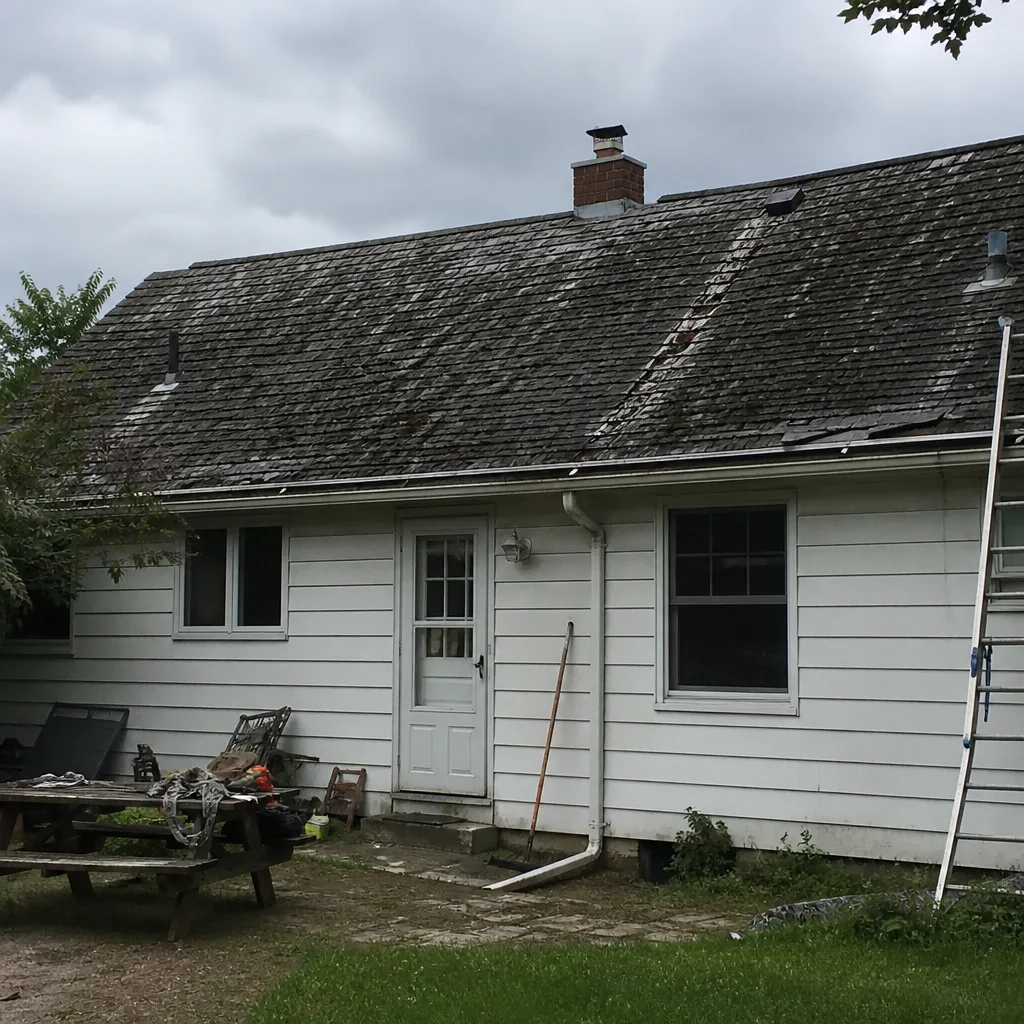 Before
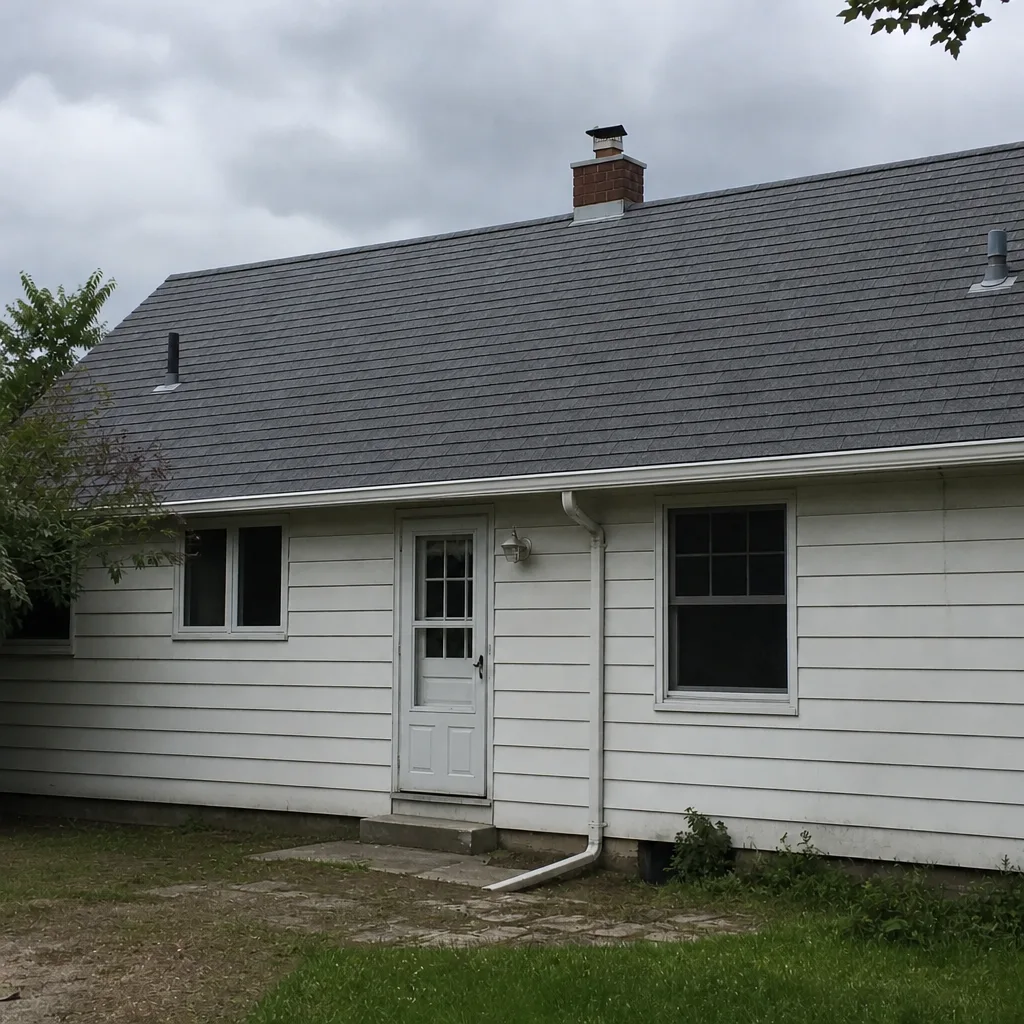 After
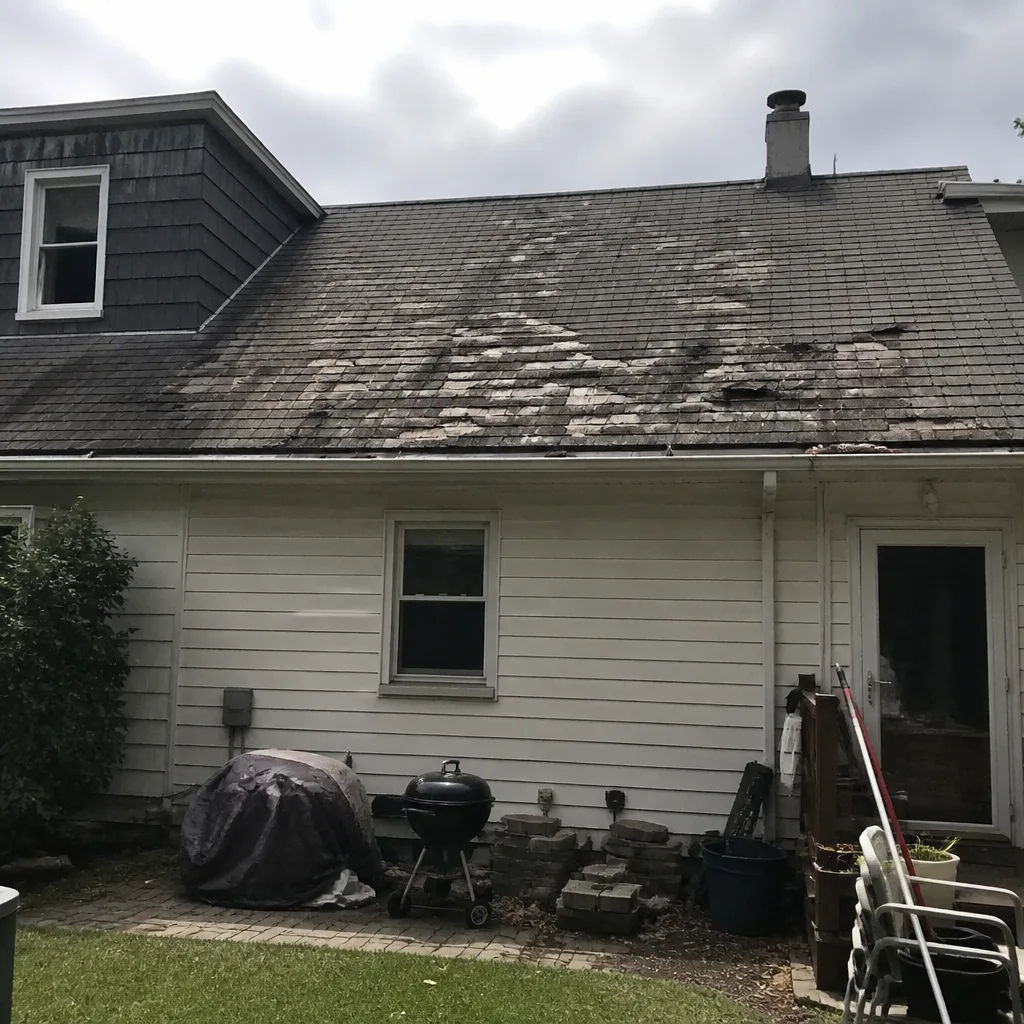 Before
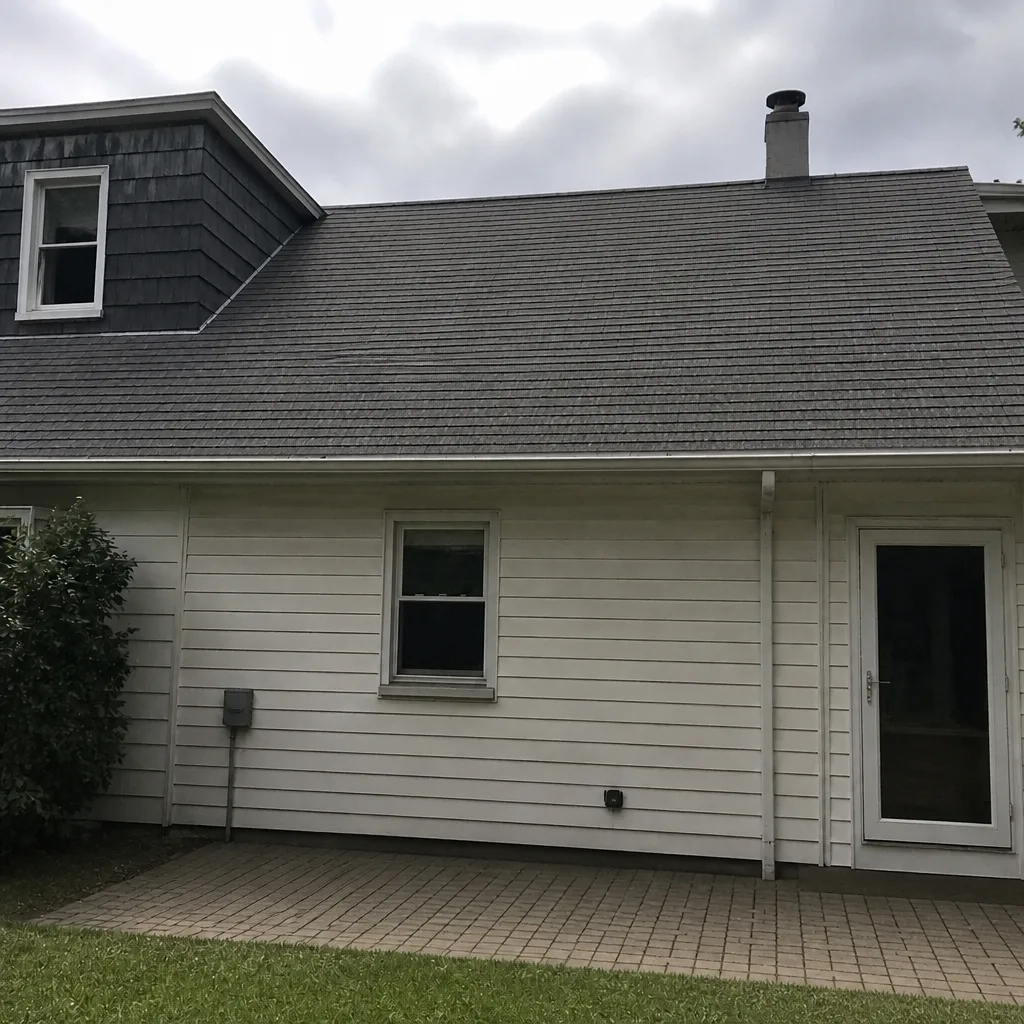 After
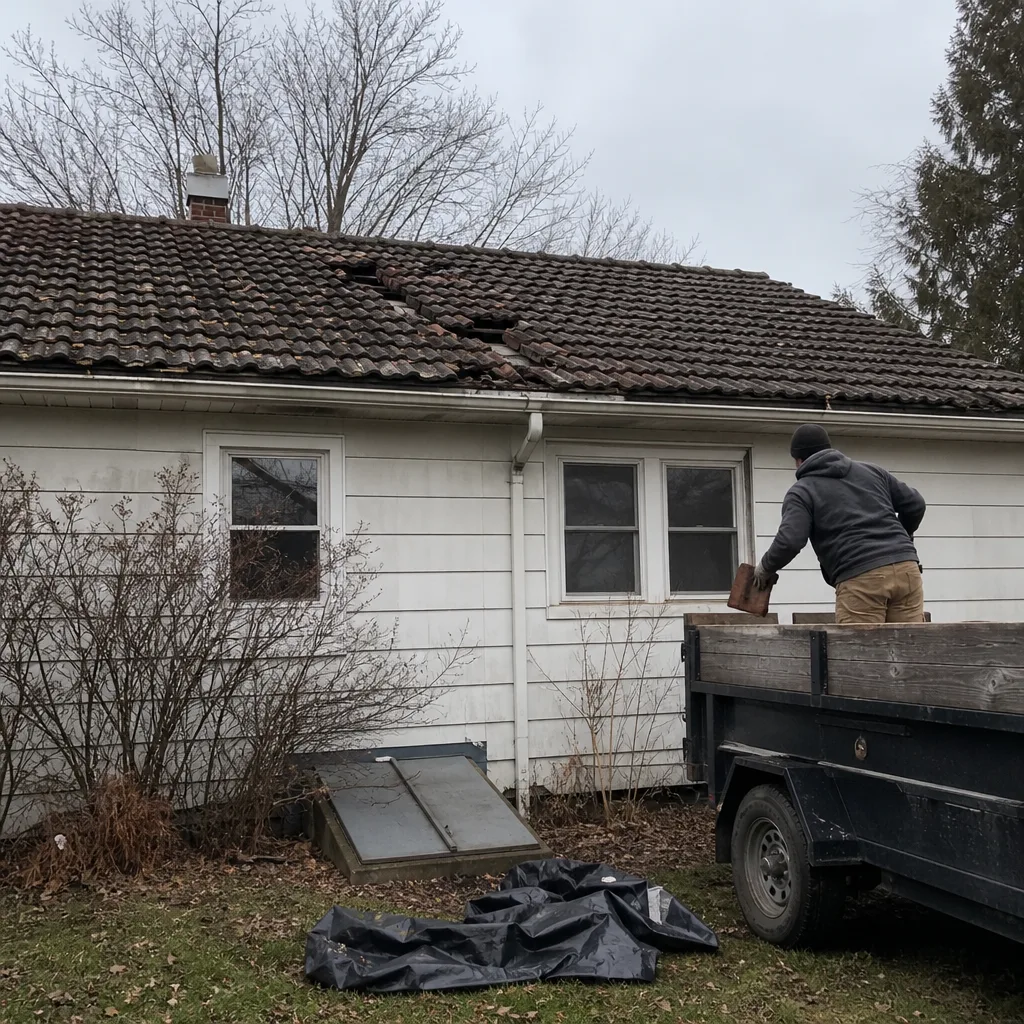 Before
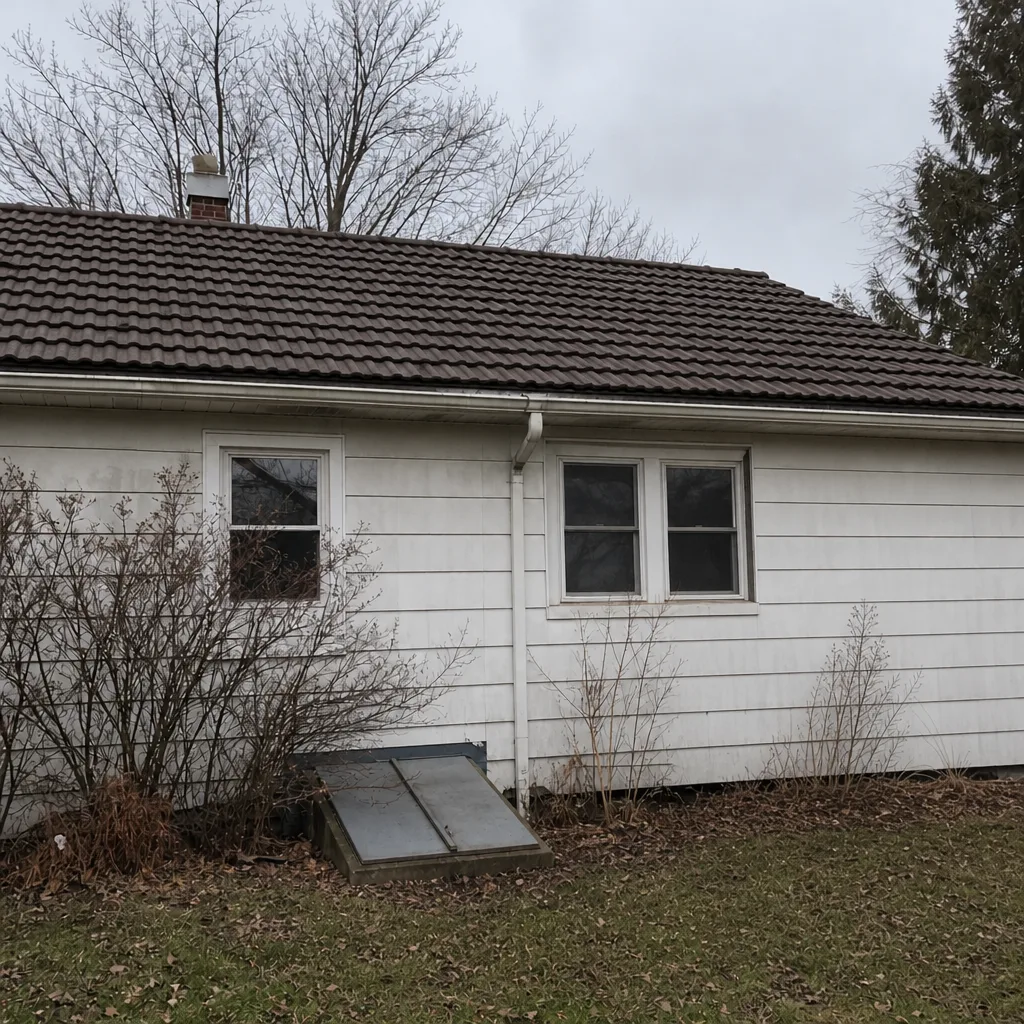 After
When to Call a Professional
Some warning signs are safe to watch. Others need a trained eye, and a few need one now. Call a professional if you see sagging anywhere on the roofline, daylight in the attic, an active leak during rain, or staining that’s growing. Call if you’ve patched the same spot more than once, or if your roof has reached a point where you’re budgeting for the next storm. If you’re in Syracuse and you’re ready for a straight answer, we offer a free estimate. Call (844) 834-3413. We answer 24/7. Fast dispatch from 7am to 7pm, Sunday through Friday. Stratford Roof Repair handles inspection, repair, and replacement under one name, and we recommend replacement only when repair isn’t a sound long-term solution.
Frequently Asked Questions
Look at where the symptom sits on the urgency scale: an isolated leak, failed flashing, or a few damaged shingles usually means repair; widespread granule loss, curling across multiple slopes, sagging, or deck damage points to replacement. In Syracuse, recurring ice dam staining despite past patches is a strong sign replacement is the sounder long-term call. If you’re unsure, a professional inspection sorts it out before any commitment.
It depends on how much and where. Light, scattered granules are normal wear at any age. Heavy accumulation at downspout outlets plus bare patches on the roof surface means the shingle is losing its UV protection and is on the later side of its life. On a young roof, early granule loss often points to poor attic ventilation rather than a bad shingle.
Ice dam staining appears on interior ceilings after heavy snow and usually fades or stops in spring, because it’s caused by meltwater backing up under shingles at the eaves. A roof leak from bulk water intrusion shows up as a concentrated stain or active drip that darkens during rain, regardless of season. The two have completely different fixes, so diagnosing which you have matters.
Yes, for the big categories. Look for staining around chimneys and vents (flashing failure), broad moisture tracking across the deck (shingle failure), and sagging or spongy sheathing with visible daylight (deck failure). A bright flashlight and gentle probe are enough for an initial read. If anything looks structurally unsafe, back out and call a professional.
If your roof has multiple active leaks that patches haven’t held, deck damage across a significant area, or a roof that’s at the end of its serviceable life and can’t be patched reliably, plan a replacement before the freeze runs deep. Freeze-thaw cycling turns small gaps into larger damage once winter sets in. The earlier you plan, the more options you have.
Photograph the exterior from the ground on all four sides, the attic underside and any staining, and interior stains with something for scale. Note your roof’s approximate age, the date of the last repair, and when the symptom appears (rain, snowmelt, or year-round). That timing is the most useful detail you can bring, because it often points directly to the cause.
Yes. A roof inspection is available as a standalone first step, with no obligation to repair or replace. We’ll tell you what we find, whether a repair will hold, and when replacement is the sounder call. If you’d like to talk it through, roof replacement and repair estimates are free too.
The Bottom Line
Warning signs aren’t verdicts. Each one is a clue pointing back to a cause, and reading the cause correctly is what separates a small repair from an expensive misdiagnosis. Granules in the gutter, curling shingles, ice dam staining, and attic daylight all carry a specific meaning. In Syracuse, freeze-thaw cycling and attic ventilation are the two forces behind most of what you’ll see. Document what you observe, look in the right places from the attic, and sort the signs into repair-now, budget-replacement, or replace-before-winter. That’s the entire diagnostic toolkit, and it costs nothing to use.
For a professional read on what your roof is telling you, Stratford Roof Repair offers free estimates in Syracuse. Call (844) 834-3413. We answer 24/7. Fast dispatch from 7am to 7pm, Sunday through Friday. Whether you’re sorting out a leak on a Tuesday or planning ahead for a quieter Sunday, start with roof repair or a full roof inspection. We’ll tell you if a repair will hold, and we’ll tell you when it won’t. Learn more about how we work across Syracuse and get in touch at Stratford Roof Repair.
Written by the team at Stratford Roof Repair.