
Last updated November 15, 2026
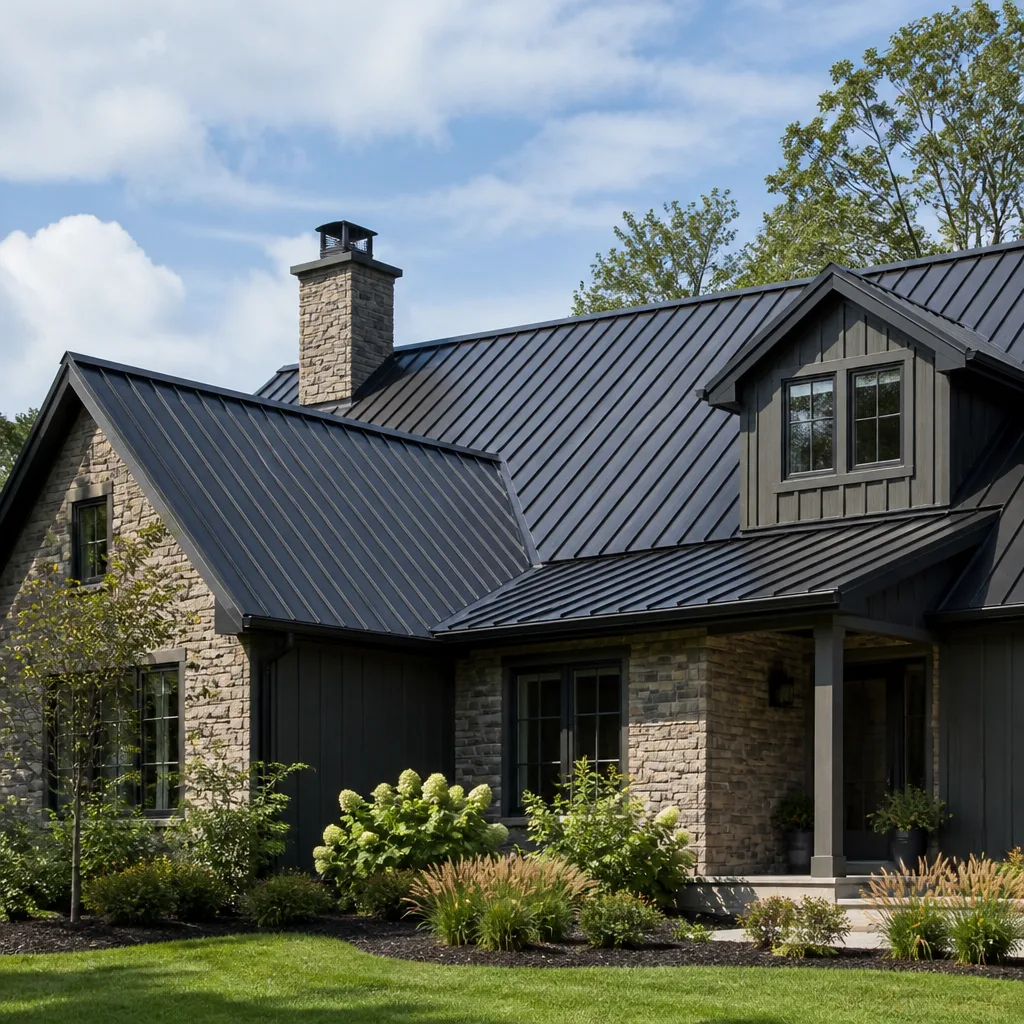 Metal roofing
 Architectural shingles
 Tile roofing
 GAF
 Owens Corning
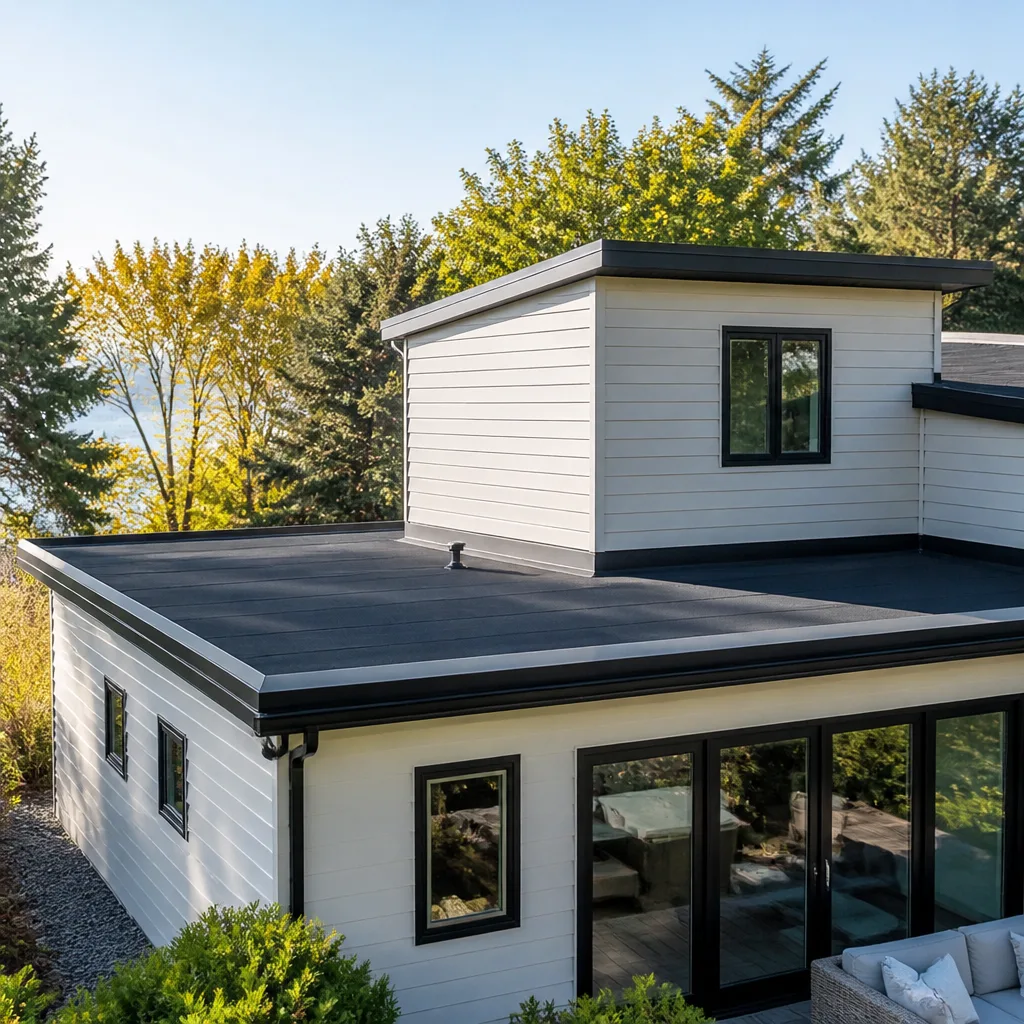 Flat & low-slope
Free roof inspection with deck photos before we talk money - GAF and Owens Corning certified installation
Seasonal Roofing Care for Syracuse: Year-Round Homeowner’s Guide
Winter doesn’t damage most Syracuse roofs. Autumn does. The ice dam that floods your attic in February was set up months earlier by leaves packed in your gutters and nail pops that went unsealed in October. Most homeowners spend their energy worrying about the cold months and skip the two short windows that actually protect the roof. This guide is built around those windows: the pre-freeze push in late fall, the post-thaw inspection in early spring, and the summer repair season in between. You’ll learn what to do, in what order, and what to leave to a professional. It’s the difference between a roof that ages slowly and one that fails early.
Quick Answer
Seasonal roof care in Syracuse comes down to two high-leverage windows: finish all pre-freeze maintenance (gutter clearing, sealing, nail pops, flashing checks) between October 1 and the first hard freeze, then run a full inspection in early spring after the last thaw. Summer is the time to schedule elective repairs and replacements. A simple four-task annual rhythm takes under three hours and catches most of the problems that would otherwise turn into contractor calls.
Styles & brands we work with
- Architectural shingles
- Metal roofing
- Tile roofing
- GAF
- Owens Corning
- Flat & low-slope
Table of Contents
- Why Syracuse Roofs Live and Die by Two Windows
- The October Window: The Highest-Leverage Roofing Weeks of the Year
- Winter on a Syracuse Roof: Snow Load, Ice, and When to Rake
- Spring Inspection: What Freeze-Thaw Actually Damages
- Summer: Repair and Replacement Season
- The Four-Task Annual Rhythm (Under Three Hours)
- What Material and Climate Have to Do With Each Other Here
- Common Mistakes to Avoid
- When to Call a Professional
Why Syracuse Roofs Live and Die by Two Windows
Most climate advice divides the year into four equal seasons and gives you a little of everything. That flattens the reality of roofing in Syracuse. What actually happens on Central New York roofs is more like a cycle with two sharp edges. In late fall, water gets into places it shouldn’t and then freezes there. In early spring, that freeze-thaw cycle lets go and shows you the damage. The months in between are largely maintenance in service of those two moments.
Lake-effect weather patterns push heavy, wet snow and frequent freeze-thaw cycles across Syracuse. A roof surface can cycle between above and below freezing several times in a single winter. Every cycle expands and contracts the metal, seals, and shingle edges. Water that gets in during an October thaw refreezes in December inside a seam that was never sealed to begin with. By February, you’re looking at an ice dam and an interior stain, and you’re hunting for a roofer in a hurry.
The reason the October-to-freeze window matters so much is that it’s the only point in the year where the surface is still dry, accessible, and warm enough for sealants and adhesives to cure properly. After the first hard freeze, your options shrink to emergency work. Before the freeze, you can still fix things proactively.
Flip the calendar to spring. The damage doesn’t announce itself all at once. It shows up as small things: a lifted shingle edge, a stain on the underside of decking, a piece of flashing that let go. Catching these in April and May gives you a full summer to schedule repairs and replacements at a sane pace instead of struggling to book a crew in a crisis.
Every tactic below sits in service of those two bookends. Once you see the year that way, the seasonal checklist gets shorter, not longer.
The October Window: The Highest-Leverage Roofing Weeks of the Year
If you did nothing on your roof all year except the work between roughly October 1 and October 15, you’d still be ahead of most homeowners in Syracuse. This is the single highest-leverage maintenance period on the roof calendar. Here’s what to complete, in the order it needs to happen.
- Clear the gutters first. Everything else depends on it. If gutters are packed with leaves, water backs up under the first course of shingles and starts the ice dam cycle before the season even starts. Do this before you do anything else.
- Check and reset nail pops. Look along the framing lines on the roof surface. Pops are usually visible as small raised bumps. If the nail is backed out but the shingle is intact, a technician can reset or replace the fastener and seal the shingle. If it’s not addressed before the freeze, thermal movement opens a hole.
- Inspect and seal flashing. Chimney flashing, skylight surrounds, and pipe boots are the leak points that cause the most interior damage on Syracuse roofs. Sealant that was marginal in September is often brittle by November.
- Clear debris from valleys and behind the chimney. A pile of debris in a valley traps water. In cold weather, it becomes the first place an ice dam forms.
- Confirm attic ventilation and insulation are in good shape. Poor attic ventilation is a contributing factor to ice dams because warm air from below melts roof snow from the underside. This isn’t a roofing repair, but it directly affects roof performance and is worth reviewing.
- Photograph what you see. A quick photo set of valleys, flashing, and the ridge line gives you a baseline going into spring. When you compare the two, changes are obvious.
That entire sequence can be done in a single visit for most homes. Some of it (safe roof access) is worth handing to a professional. Some of it (gutter clearing from a ladder, photographing what’s visible) is reasonable for a careful homeowner.
One thing to flag: sealants and adhesives need relatively warm, dry conditions to cure correctly. If your plan is late October into November, tag the work before the first crisp, cold night. Miss the seal window and a repair done in cold weather can fail by January. If you’re unsure whether your roof is in shape going into the freeze, an inspection is the fastest way to know.
Winter on a Syracuse Roof: Snow Load, Ice, and When to Rake
Winter care has a counterintuitive rule: most of the time, the correct action is to leave the snow alone. Raking a roof that doesn’t need it causes more damage than the snow ever would. Ladders against frozen gutters, scrapers on cold shingles, and ice that gets knocked loose all produce the kind of damage that shows up in spring.
Here’s when to monitor and when to act.
- Monitor snow depth from the ground. Straightforward eyeballing works. If you can see six inches of snow on the roof and the forecast doesn’t show a heavy storm coming, leave it. Snow has some insulating value.
- Watch the eave line. Snow curling over the edge of the roof or a growing icicle mass at the soffit means meltwater is being trapped higher up. That’s when raking makes sense.
- Rake from the ground with a roof rake, and only the lower few feet. Pulling snow off the top two or three feet at the eave relieves the ice dam pressure. You do not need to clear the entire roof. Never take a rake or scraper to the surface itself, especially on cold shingles that are brittle.
- Never try to break up ice on the roof. Chipping ice with a tool damages shingles and can send a chunk off the edge. If ice is a serious problem, a professional can assess roof conditions and the contributing attic issues.
- Watch for interior signs. A stain on the ceiling, damp insulation in the attic, or a sudden icicle pattern all point to a problem above. Those signs tell you to call, not to wait.
There’s a small, specific window when you should rake: when the eave is loaded with ice and the forecast calls for a freeze-thaw cycle in the next few days. Getting the lower snow off the eave relieves pressure before the thaw.
If your roof leaked this past winter and the pattern repeats every year, the issue isn’t the raking. It’s a flashings or ventilation problem that needs diagnosis. That’s where roof repair comes in.
Spring Inspection: What Freeze-Thaw Actually Damages
Spring inspection is not a generic shingle check. It’s a specific look at what freeze-thaw cycles and lake-effect weather do to a roof. Run through this list after the last thaw, typically in late March or April in Syracuse.
The failure points that matter in spring:
- Flashing at chimneys, valleys, and skylights. Sealant that was applied in fall has been contracted, expanded, and stressed all winter. Walk the perimeter from the ground with binoculars and look for lifted edges or discoloration that suggests moisture.
- Shingle tabs at the eave. The eave shingles in Syracuse absorb the most ice and freeze-thaw stress. Look for tabs that have curled, cracked, or come loose.
- Granule loss in valleys and at the eave. Piles of granules on the ground below a downspout are a normal sign of aging, but concentrated in one area is not. That points to wear that isn’t uniform.
- Attic moisture and ventilation. Look for condensation, damp decking, or mold growth on the underside of the sheathing. Any of these suggests warm, moist air is getting into the attic insulation and starting the ice dam cycle before it hits the roof.
- Gutter attachment. Heavy ice pulls gutters away from fascia. Hangers can work loose without being visible from the ground.
- Ridge line and hips. These take the wind stress in lake-effect storms. Ridge caps lift and eventually blow off.
Spring is also when you learn what the winter actually broke. A quick walk-around inspection catches most visible issues. Where we see homeowners get the diagnosis wrong is in assuming every spring finding becomes a replacement. Often it’s a flashing repair, a shingle replacement, or a ventilation fix. An inspection is the right step before you commit to anything else.
That’s the value of a dedicated inspection. If a repair will hold, we’ll tell you it will. If it won’t, we’ll tell you that too, with the reasons laid out. There’s no value in recommending a replacement on a repairable roof.
Summer: Repair and Replacement Season
Summer in Syracuse is the window when elective roofing work should happen. Two reasons. First, warm, dry conditions allow sealants and adhesives to cure properly and shingles to lay flat. Second, this is when you can schedule work on your own timeline instead of reacting to a leak.
What should get scheduled in June, July, and August:
- Non-urgent repairs identified in spring inspection. The flashing that needs replacement, the shingle tab that needs reset, the boot that needs a new seal. Get these done in early summer before the next storm season.
- Elective replacement for roofs that are nearing the end of service life. Plenty of Syracuse roofs are 15 to 20 years old. If you know that’s your situation, you have a choice: schedule next summer and get first pick of crews, or wait for a leak and take what’s available. The first is better.
- Warranty-related work. If your shingles are under a manufacturer warranty and there’s a defect, warm-weather installation is the cleanest way to do it. That’s the season to schedule.
- Ventilation upgrades. Ridge vents, soffit vents, and intake work can all be evaluated and installed in the dry months.
On material choice: summer is also when you can afford to compare options. We install products from GAF, CertainTeed, Owens Corning, IKO, Atlas, Tamko, and Boral, and the breadth matters here. When a homeowner wants the best value for their budget, we don’t steer them to one manufacturer because of a rep incentive. We recommend the product that fits the roof condition and the budget.
If you’re in roof replacement territory, doing the work in early summer gives you the rest of the season to catch anything that needs attention before the fall freeze. Get an inspection first, then decide. The estimate is free and there’s no obligation on step one.
The Four-Task Annual Rhythm (Under Three Hours)
Here’s the version of seasonal roofing care that works for most Syracuse homeowners without turning the year into a roofing project. Four tasks. Under three hours of total time if you’re doing the walkaround pieces yourself, with the roof-access work handed off.
- October: clear gutters, photograph the roof. Gutters take about 45 minutes for most homes. Photograph the valleys, chimneys, and ridge from the ground. Keep the photos for spring comparison.
- Late October or early November: professional flashing and seal check. Have someone who knows roofing look at the flashing points (chimney, valleys, skylights, boots) before the freeze. About 30 minutes of a professional’s time. This is the single most valuable call of the year.
- February: eave monitoring. Twenty minutes a couple of times through the winter. Look for ice buildup, icicles growing from the soffit, and snow curling over the eave line.
- April: post-thaw full inspection. This is the one that closes the loop. Use a professional inspection to catch what winter did. Forty-five to 90 minutes, and it gives you a clear picture of your roof going into summer repair season.
That’s it. Under three hours spread across a year. In our experience, this rhythm catches most of the problems that otherwise become emergency calls. The rest are the ones you can’t catch with visual inspection, which is exactly why the spring step matters.
A dedicated Roof Inspection as a standalone service (not tied to repair or replacement) is the right tool for that April step. You get a professional assessment, and you decide what to do with it.
What Material and Climate Have to Do With Each Other Here
Material choice matters more in Syracuse than in a milder climate, and not for the reason most homeowners assume. It’s not just about durability. It’s about how the product handles the freeze-thaw cycle at the eave line, and how well the manufacturer’s warranty terms fit a homeowner who intends to stay in the house.
A few things to compare when you’re evaluating shingle options:
- Weight and wind rating. A heavier architectural shingle is less likely to lift in a lake-effect wind storm. Warranties that mention wind typically state a threshold, and you want the threshold stated clearly.
- Algae resistance. Many shingle lines are offered with algae-resistant granules. In a humid, shaded environment with long cold periods, this matters for appearance.
- Warranty structure. Some brands offer stronger coverage when installed with their own underlayment and accessory system. That’s worth understanding before you sign.
- Color and heat. A darker roof absorbs heat. In summer in Syracuse, that shows up on the utility bill. A lighter shingle can help.
We install across seven manufacturers including IKO, Atlas, Tamko, and Boral, and we don’t push one brand over another. The recommendation depends on the roof condition, the homeowner’s budget, and what warranty terms fit the homeowner’s plans. That’s how material selection is supposed to work.
If you’re comparing options, get the estimate in writing with brand and line listed side by side. That way the choice is yours and it’s grounded in the roof, not the sales pitch.
Common Mistakes to Avoid
- Raking a roof that doesn’t need it. The instinct to “help” the roof in winter causes more damage than the snow. Only rake the lower few feet of eave when ice is building up.
- Sealing in cold weather. Sealants and adhesives need warmth and dry conditions to cure. A flashing repair done in late November will often fail by January. Get it done before the freeze.
- Skipping the spring inspection because the roof looks fine. Most of what freeze-thaw does isn’t visible from the ground. Lifted flashing and damp attic decking don’t show up in a quick glance.
- Waiting for a leak to call. By the time a stain appears on the ceiling, water has been in the attic for at least one cycle. Catching it in spring is a small repair. Catching it in February is a small repair plus a drywall job.
- Replacing a repairable roof. A lot of “you need a new roof” quotes are for roofs that need a flashing repair and a few shingles. Get a second opinion if the first one was a full replacement recommendation without photos and a written diagnosis.
- Ignoring attic ventilation. Poor attic ventilation contributes to ice dams and shortens shingle life. If ice is forming every winter, that’s the first thing to fix.
- Scheduling replacements in October. The fall window should be for pre-freeze maintenance, not installation. If you’re replacing, schedule for summer. Cold-weather installs work but the conditions are less forgiving for the adhesive seal.
See the difference
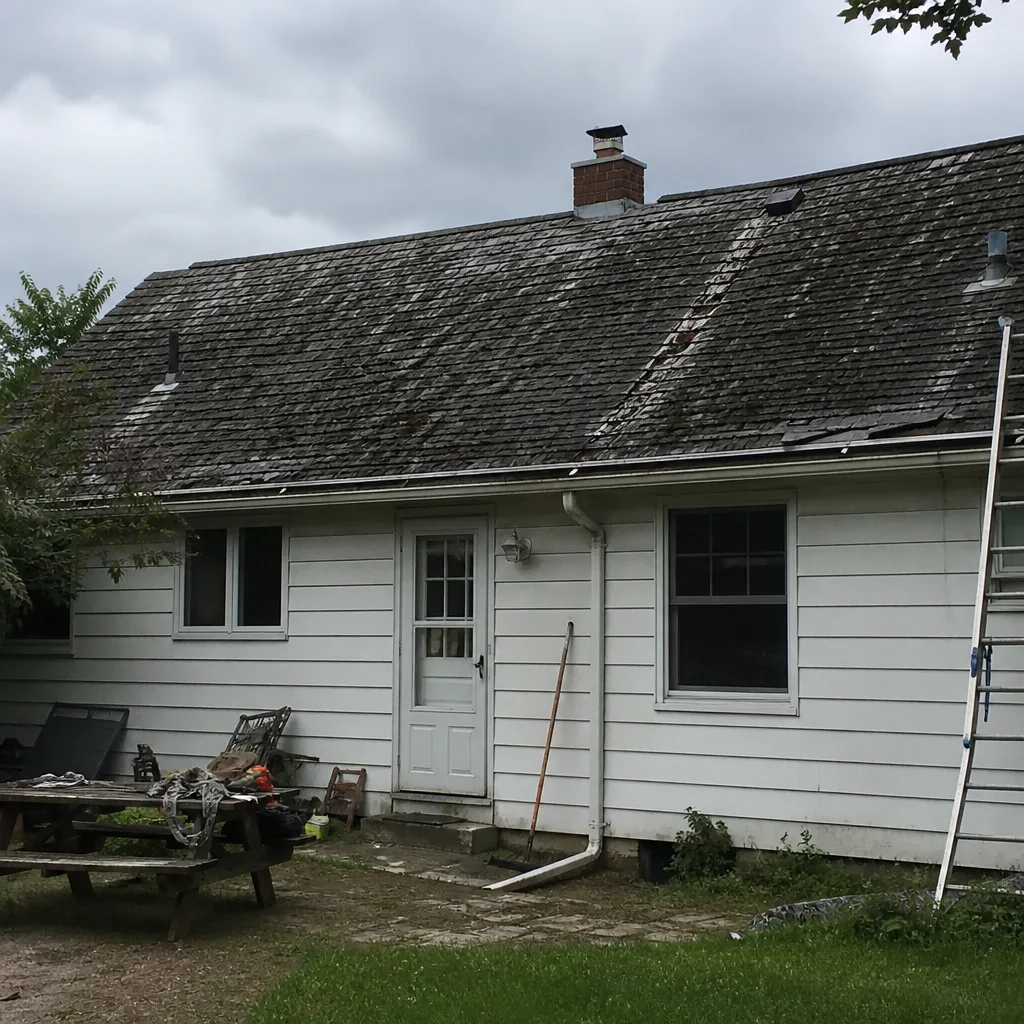 Before
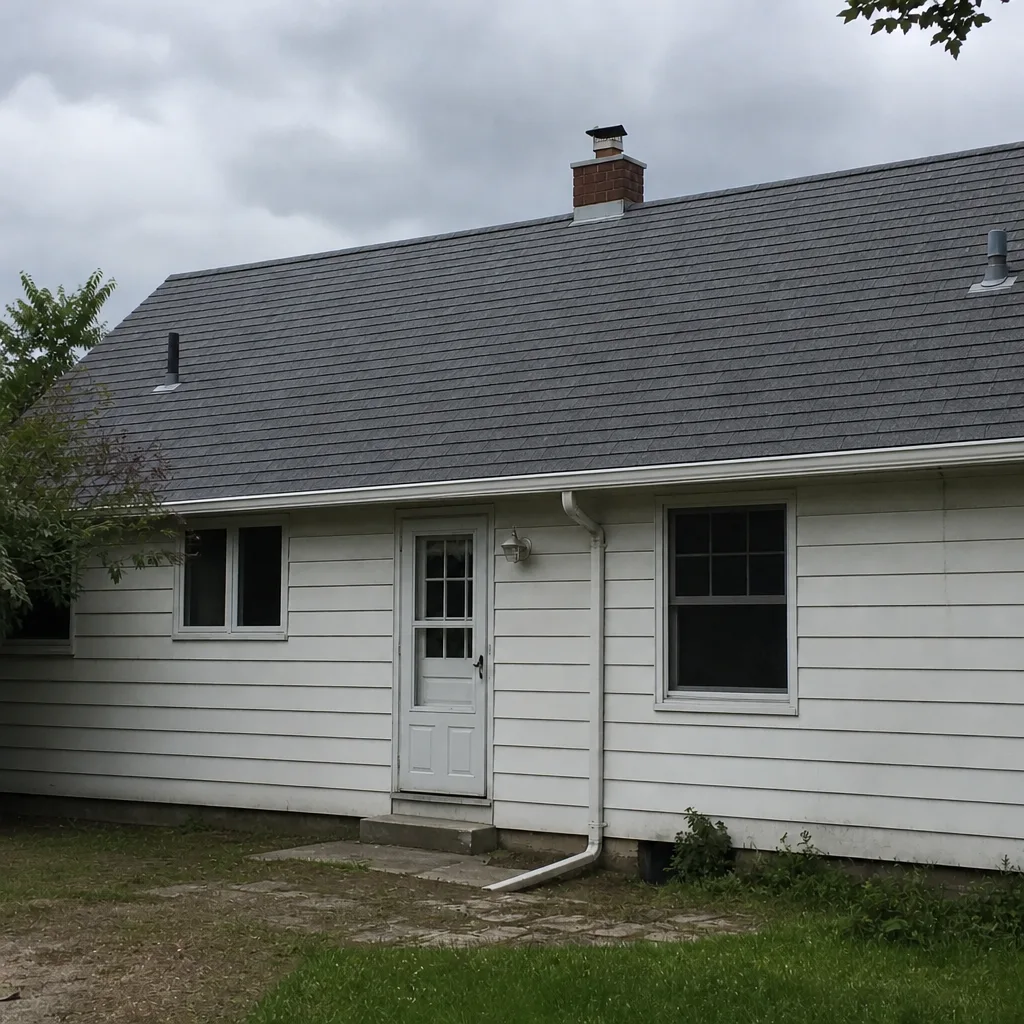 After
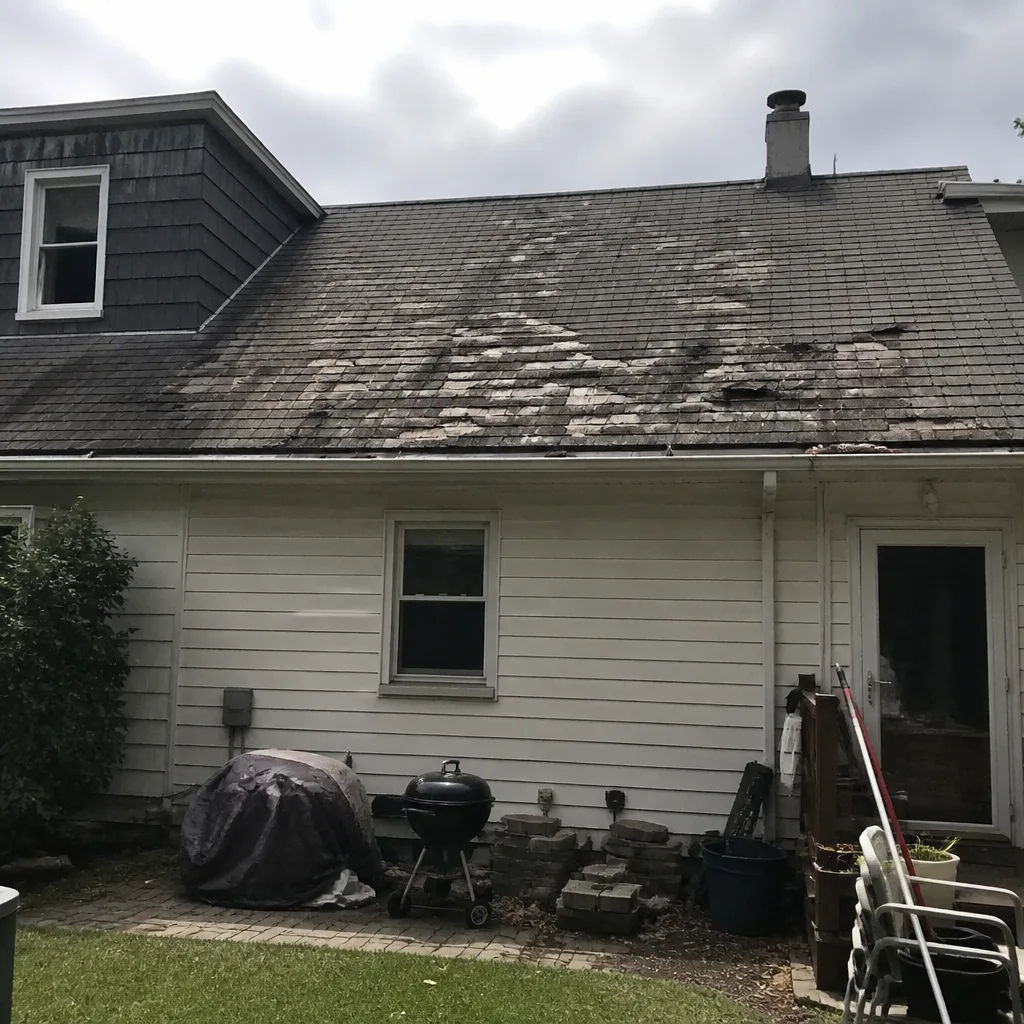 Before
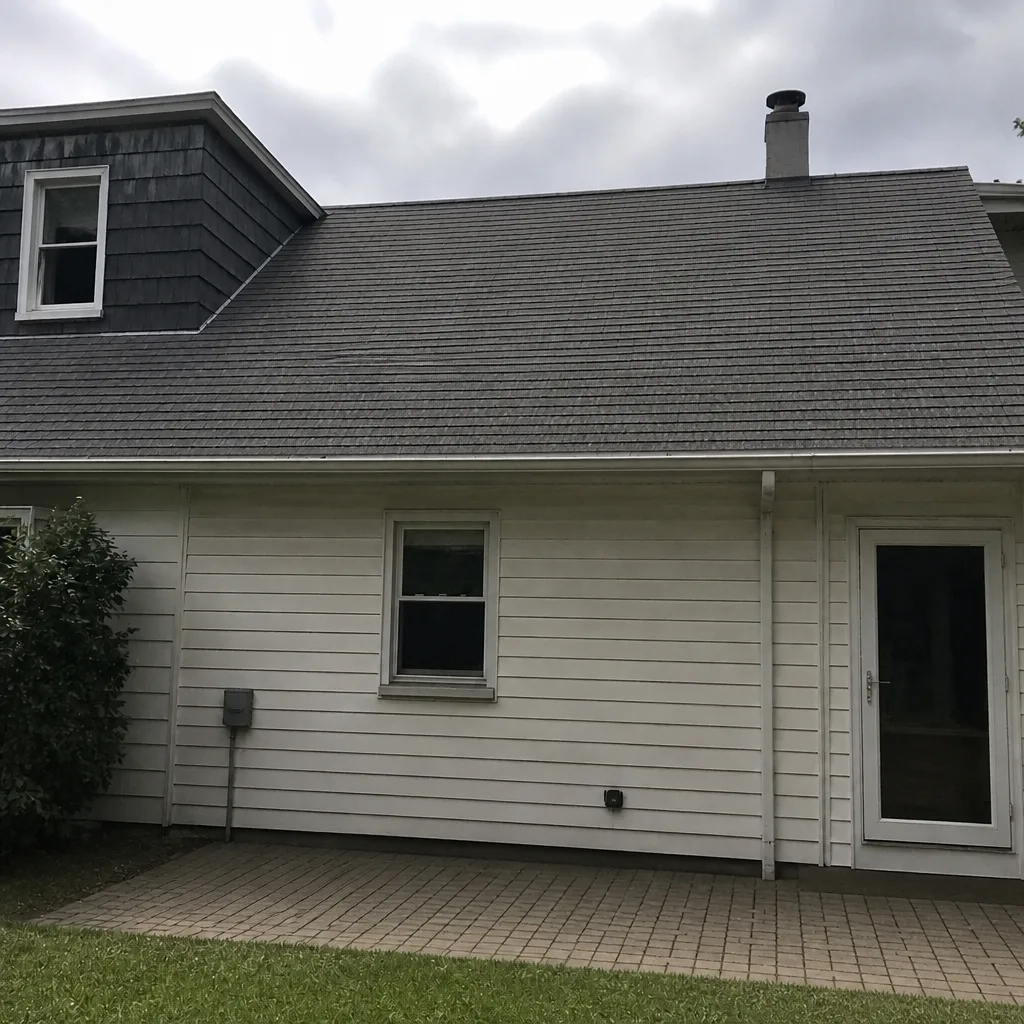 After
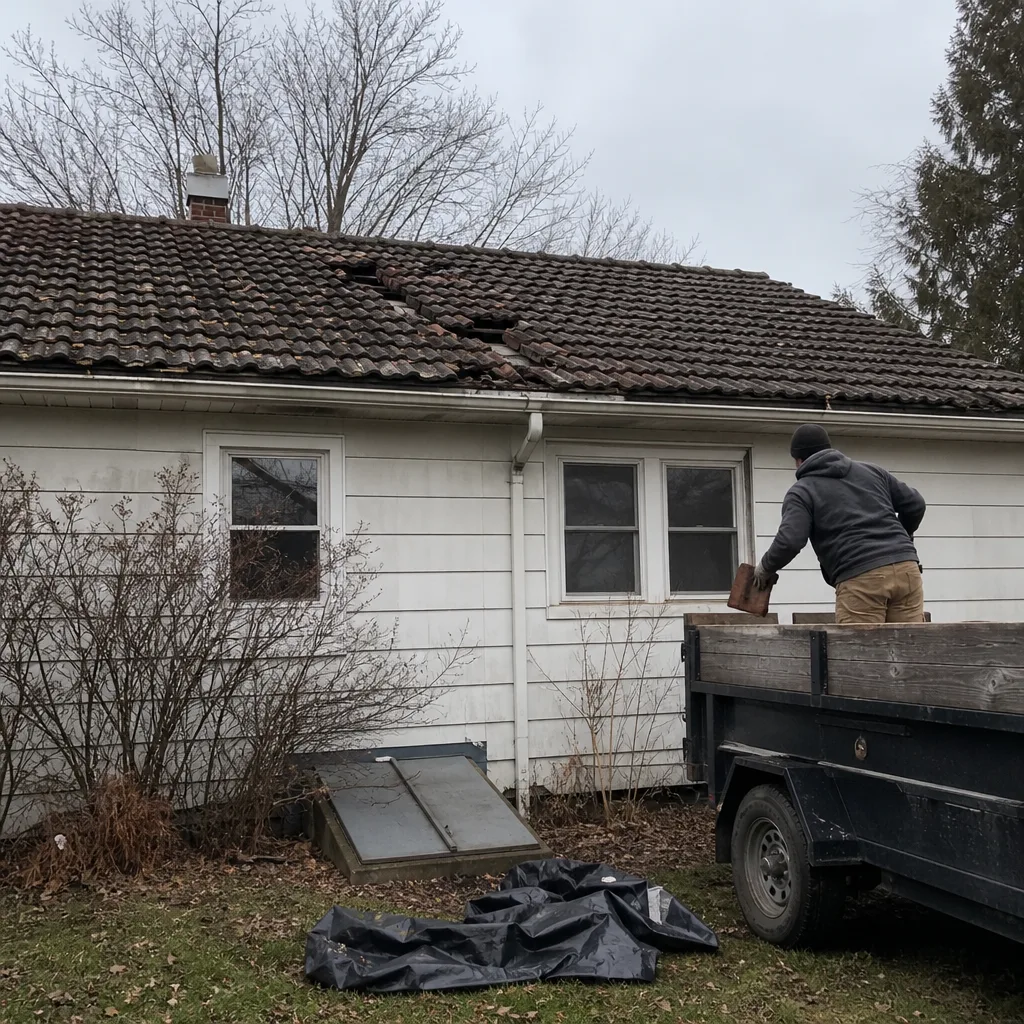 Before
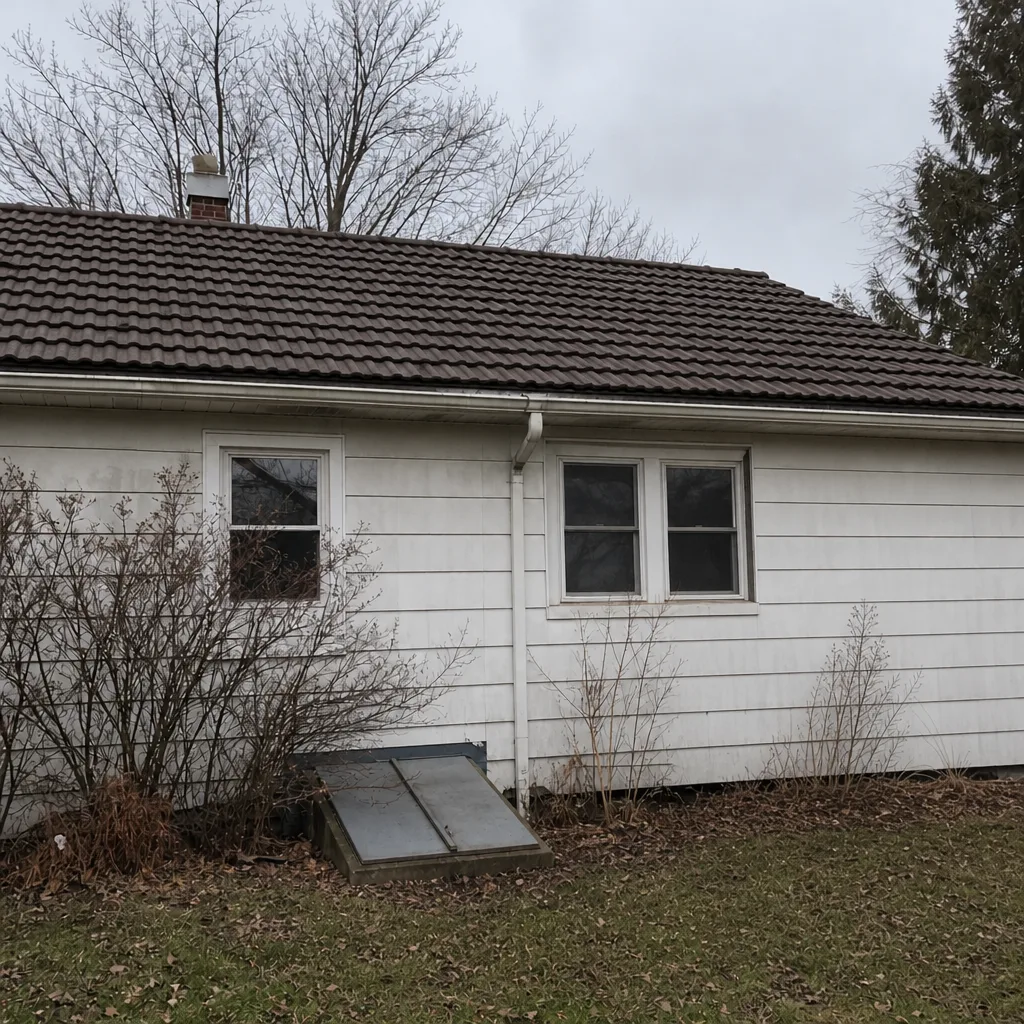 After
When to Call a Professional
The line between DIY and call-a-pro is clearer than it seems. Call a professional if any of the following is true:
- You see interior staining, attic moisture, or a soft spot in the sheathing.
- Ice is forming along the eave repeatedly, and raking the lower snow doesn’t help.
- You can’t see the roof surface from the ground safely (steep pitch, height, weather).
- You’re buying a house or preparing for a sale and need a documented inspection.
- Your roof is 15 years or older and has had more than one repair in a season.
Any of these signals a problem that needs diagnosis, not a refresh. We do roofing only, so the recommendation isn’t competing with another trade. If a repair will hold, we’ll do the repair. If it won’t, we’ll tell you why and what replacement looks like. If you’re in or near Syracuse, Stratford Roof Repair offers free estimates in Syracuse. Call (844) 834-3413 to schedule. We answer 24/7, and fast dispatch from 7am to 7pm runs Sunday through Friday.
Frequently Asked Questions
It depends on the leak point. If the leak is at flashing, a boot, or a specific flashing assembly, repair is often the right call. If the leak is coming from widespread shingle failure or a moisture problem in the attic insulation, replacement may be the long-term fix. Get an inspection before you decide. Call (844) 834-3413 for a free estimate once you know what you’re working with.
June through August is the best window. Warm, dry conditions let shingle adhesive seal properly and let crews work without weather interruptions. Doing a replacement in summer also gives you time to address any issues before the fall freeze window. Get an estimate in spring so you can schedule early.
No. Most Syracuse roofs should be left alone unless there’s a specific pattern of ice buildup at the eave. Raking the whole roof risks damage to cold shingles. When ice is building up, rake only the lower few feet of the eave.
Ice dams are serious when they produce interior moisture or visible stains. Repeated ice dam formation every winter usually points to attic ventilation and insulation issues, not just roofing. A professional inspection can identify the source and the fix. Call (844) 834-3413 to schedule an assessment.
Clear the gutters, check for nail pops and lifted shingles, inspect flashing at chimneys and valleys, and clear debris from valleys. Have a professional do the flashing and seal check before the temperature drops below freezing. That single visit is the highest-value roof maintenance of the year.
Seasonal maintenance costs vary by what’s found on the roof and what’s needed. A routine walkaround and gutter clearing is low-cost; specific repairs (flashing replacement, shingle resets) are priced per job. Call (844) 834-3413 for a free estimate. The written quote sets the final price.
The Bottom Line
Syracuse roofs don’t fail gradually. They fail in two windows: the pre-freeze weeks in October, and the thaw-and-inspect weeks in early spring. Everything else is maintenance in service of those two moments. The four-task rhythm (October gutters and photos, late-October flashing check, February eave monitoring, April post-thaw inspection) takes under three hours a year and catches most problems before they become emergencies. Schedule replacements in summer. Get a second opinion if a “replace the roof” recommendation comes without photos and a written diagnosis. And if you want a professional eye on it, Stratford Roof Repair offers inspection, repair, and replacement under one roof, across seven shingle brands.
Call (844) 834-3413 to schedule your free estimate. We answer 24/7, and fast dispatch from 7am to 7pm runs Sunday through Friday.
Written by the team at Stratford Roof Repair.