
Last updated November 15, 2026
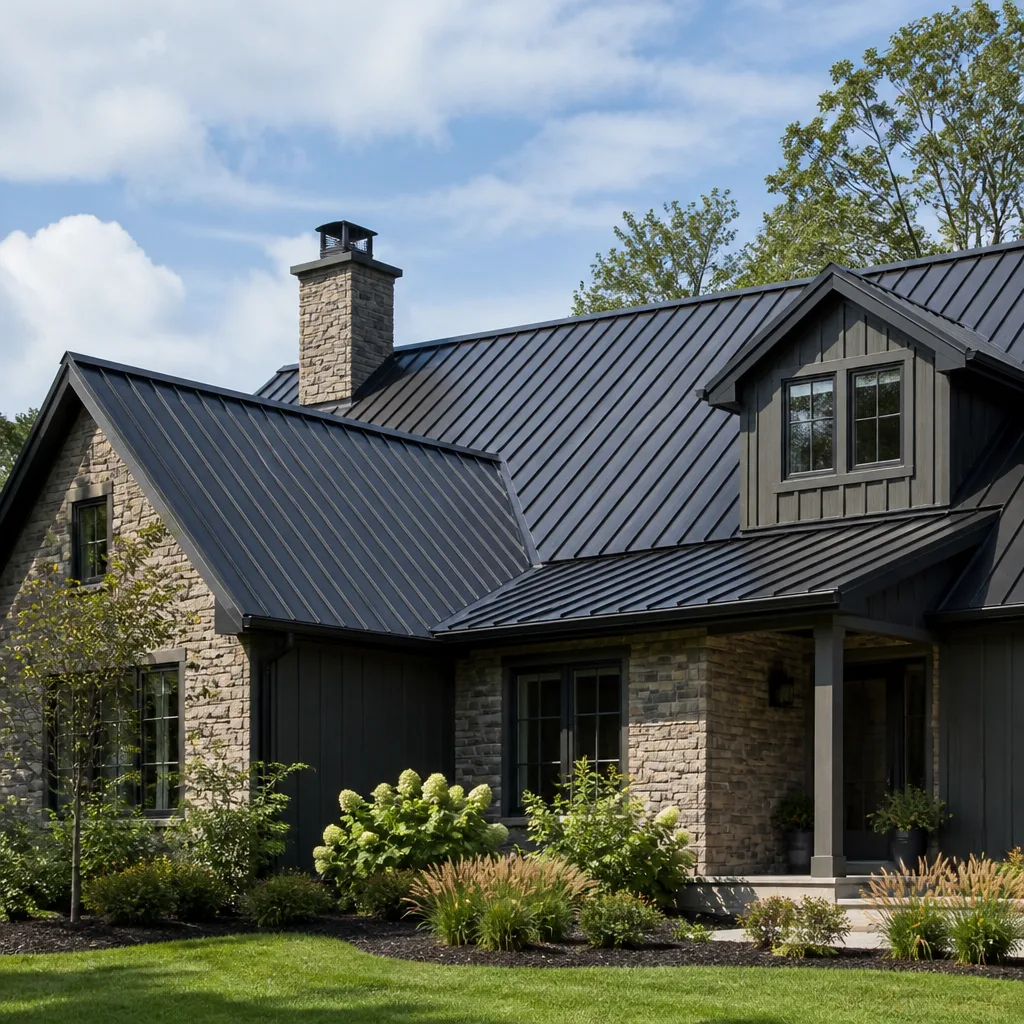 Metal roofing
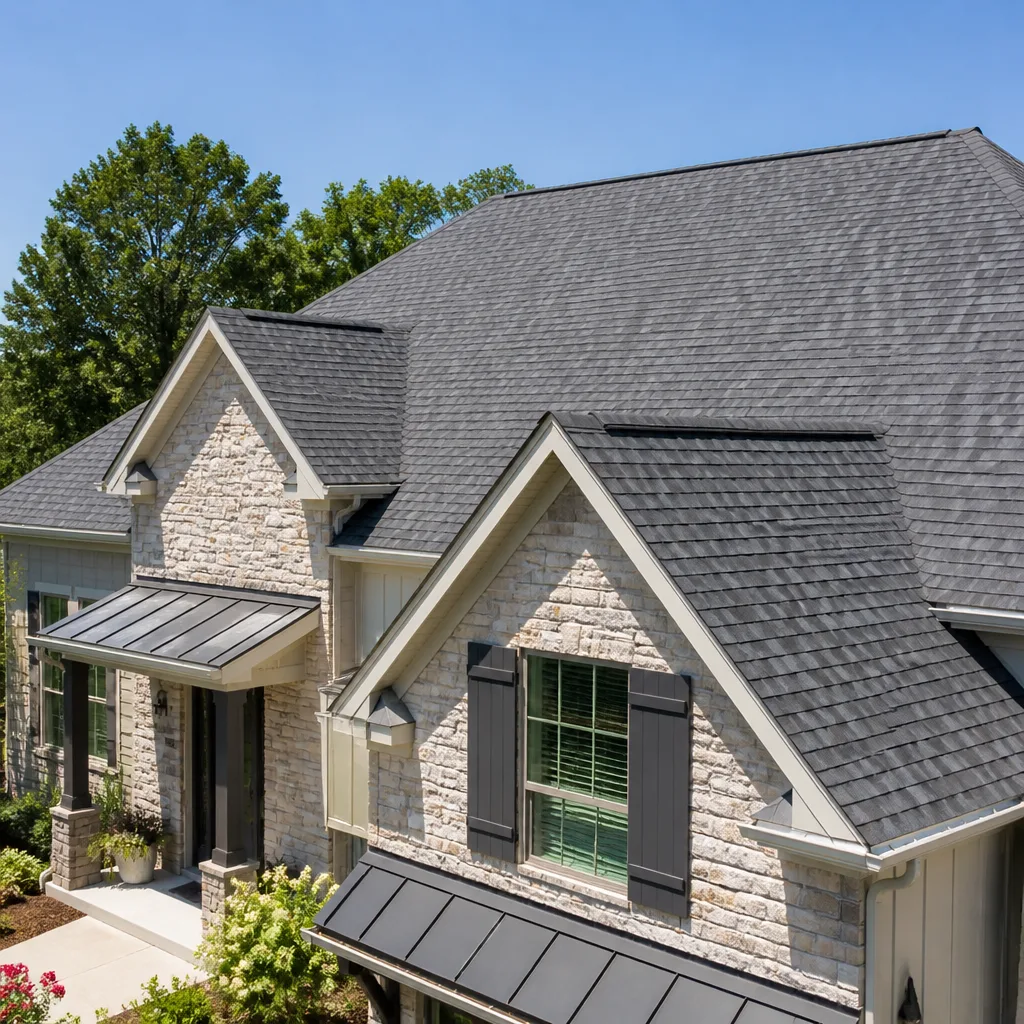 Architectural shingles
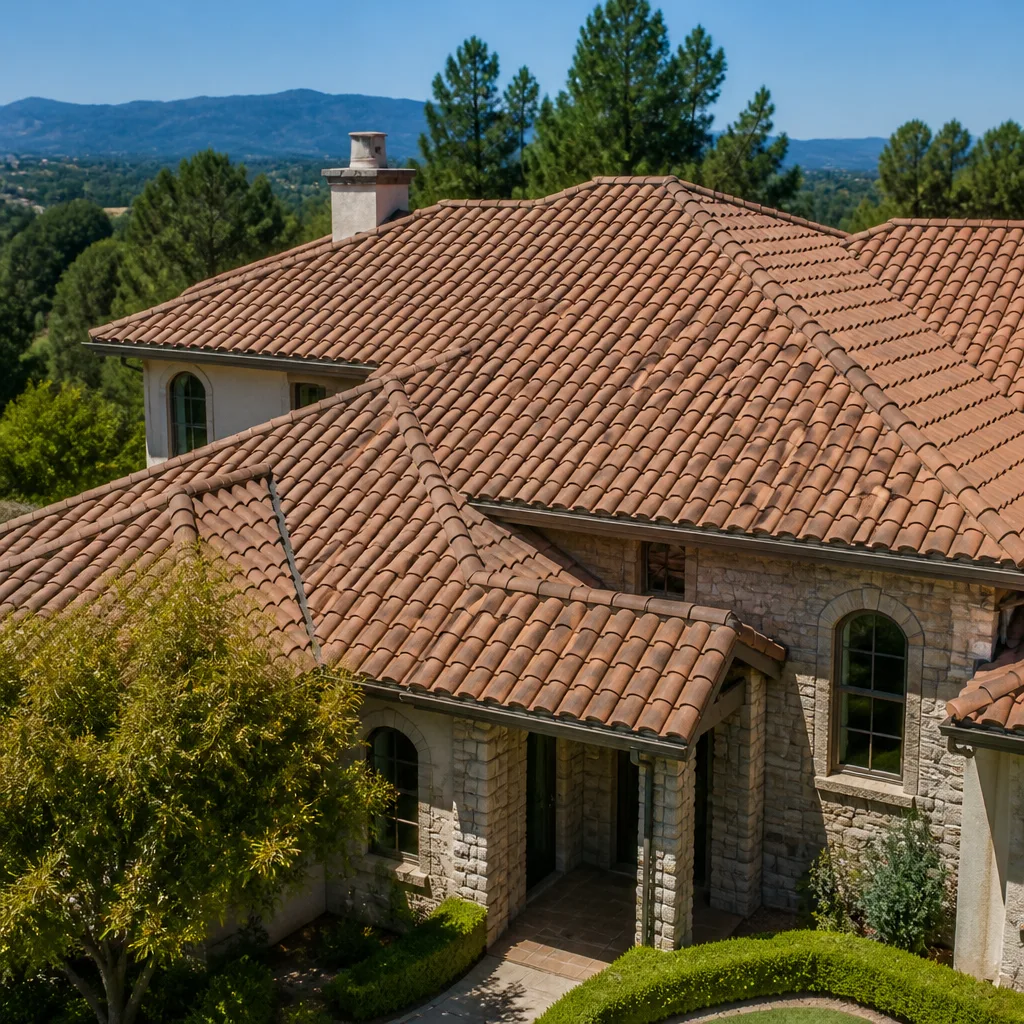 Tile roofing
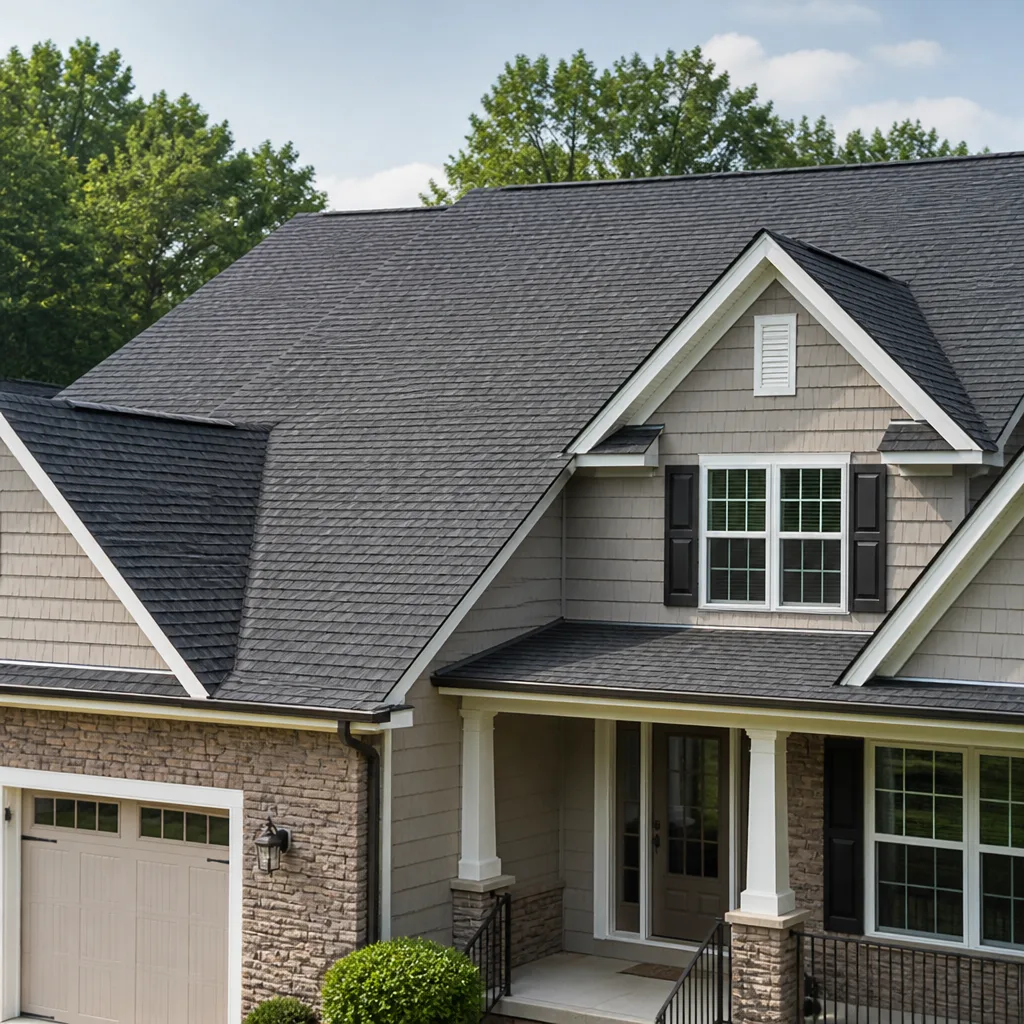 GAF
 Owens Corning
 Flat & low-slope
Free roof inspection with deck photos before we talk money - GAF and Owens Corning certified installation
Choosing the Right Roofing Brand: A Buyer’s Guide for Syracuse
Most homeowners in Syracuse shop for shingles the way they shop for a car: by name badge. They’ve heard of one or two manufacturers, they assume the famous logo means a better roof, and they let the brand do the thinking. Here’s the part the brochures leave out. The badge on the wrapper tells you almost nothing about how that shingle will perform on your specific roof, on your specific pitch, under Central New York’s freeze-thaw cycle. What actually matters is wind uplift rating, granule adhesion, impact classification, and whether the warranty you’re being promised is even enforceable where you live. This guide walks through all of it, plainly, so you can tell the difference between a brand recommendation built around your roof and one built around a contractor’s supply agreement.
Quick Answer
The right roofing brand for a Syracuse home is the one whose wind rating, impact class, and warranty terms match your roof’s pitch, your budget, and how long you plan to stay. No single manufacturer is best for every house here. Ask your contractor to justify the recommendation with specs, not brand loyalty, and confirm the warranty is enforceable in Central New York before you sign.
Styles & brands we work with
- Architectural shingles
- Metal roofing
- Tile roofing
- GAF
- Owens Corning
- Flat & low-slope
Table of Contents
- Why the brand name matters less than you think
- The specs that actually matter in Syracuse
- Class 3 vs. Class 4 impact ratings, explained
- What manufacturer certification tiers really change
- Warranty transfer terms side by side
- Why no single brand is best for Syracuse
- Questions to ask before you accept a brand recommendation
- Common mistakes to avoid
Why the brand name matters less than you think
Shingle manufacturing in North America is a mature industry. The top-tier products from GAF, CertainTeed, Owens Corning, IKO, Atlas, Tamko, and Boral all pass the same baseline tests, or they wouldn’t be sold. The gap between a good shingle from one manufacturer and a good shingle from another is much smaller than the gap between a good installation and a bad one. In our experience, a mid-grade shingle installed correctly outlasts a premium shingle installed with shortcuts every time.
So why do brands matter at all? Three reasons. First, the performance specs differ at the margins – wind uplift, impact class, granule embedment – and those margins matter in a climate that freezes and thaws dozens of times a year. Second, the warranty terms differ, sometimes significantly, including where the warranty is enforceable. Third, and this is the one homeowners rarely hear: a contractor’s recommendation is only as neutral as the number of brands they actually install.
A roofer who carries one manufacturer has one recommendation to make, regardless of your roof. A roofer who installs across seven manufacturers can match a product to your pitch, your budget, and your plans for the house. That’s not a sales pitch, it’s arithmetic. When we recommend a shingle, we’re choosing from a shelf, not defending a supply contract.
Roofing is also a trade where the details hide. The shingle gets the attention; the underlayment, ice-and-water shield, drip edge, and ventilation do the quiet work. If you want the full picture of what a proper install involves, our roof repair page walks through the components and where they fail. The point here is simple: evaluate the whole assembly, not just the wrapper color.
The specs that actually matter in Syracuse
Syracuse sits in a climate that punishes shingles in a particular way. The freeze-thaw cycle is relentless. Water gets into a tiny gap during a thaw, refreezes overnight, and expands with enough force to pry granules loose and open seams. Add lake-effect snow loads and the wind that comes with fast-moving fronts, and you have a set of conditions that a shingle rated for a mild climate simply wasn’t built for. When we assess a product for this market, we look at four things.
- Wind resistance rating. This is measured in mph under standardized testing. Most quality architectural shingles are rated to 110 mph or higher, and some premium lines go further. On a two-story colonial with a steep gable end catching northwest wind, the higher rating earns its cost.
- Impact resistance class. Class 4 is the top rating and Class 3 is one step below. Class 4 shingles use a modified asphalt or polymer that resists impact damage better. Even if hail is uncommon in Central New York, the rating is a proxy for how the shingle handles stress generally.
- Granule embedment. Granules protect the asphalt from UV, and they stay put when the embedment method is right. Poorly embedded granules shed into your gutters after a few winters, leaving bare asphalt that ages fast. Premium lines from the major manufacturers do this better than entry-level lines.
- Sealant strip quality. The adhesive strip that bonds each shingle to the one above is what holds a roof together in wind. Thermal sealing happens over sunny days, and in a short summer the sealant has to work without much help.
Ask your contractor to show you the manufacturer’s published specs for any product they recommend. If they can’t or won’t, that tells you something about how they chose it. Boral, for instance, makes a genuinely different product line than a standard asphalt architectural shingle, and it earns its place on certain roofs and not others.
Class 3 vs. Class 4 impact ratings, explained
The impact rating system runs from Class 1 to Class 4, with Class 4 being the highest. A Class 4 shingle resists damage from a steel ball dropped in a lab test without cracking the mat underneath. A Class 3 shingle resists a lighter impact. For most homes, the difference shows up over years, not days.
Here’s the honest framing. Syracuse doesn’t see much hail, so the direct case for Class 4 on hail alone is thin. What Class 4 buys you here is a denser, more impact-tolerant mat that handles the stress of ice damming, wind-driven debris, and the flex-and-release cycling of a roof through winter. That’s a different argument than the one you’ll hear in hail country, and it’s the right argument for this market.
The cost gap between a Class 3 and Class 4 product varies by brand and line, so we won’t quote a blank figure. What we will say is that on a lower-pitch roof or one with heavy tree cover, the upgrade often makes sense. On a steep roof with full sun exposure and no overhanging branches, a well-installed Class 3 line from a solid manufacturer performs well. Use our roof inspection service as the starting point if you’re unsure which category your roof falls into – a proper inspection identifies pitch, exposure, deck condition, and ventilation before anyone talks brands.
One rule of thumb: never let an impact rating substitute for installation quality. A Class 4 shingle nailed high, with too few fasteners, or without ice-and-water shield at the eaves, will fail before a Class 3 shingle installed to spec.
What manufacturer certification tiers really change
Shingle manufacturers run tiered contractor programs. The names differ by brand, but the structure is similar: a base tier, a middle tier, and a top tier. The tiers matter because they change what warranty you can get, not because they change the shingle itself.
- Base tier. The contractor has registered with the manufacturer. The standard warranty applies. Nothing special.
- Middle tier. The contractor has met training or volume requirements. Some extra labor coverage may be available on qualifying installs.
- Top tier. The contractor is on the manufacturer’s preferred list. This is where the strongest labor and material coverage lives, and where extended warranty options open up.
Here is the part that catches homeowners. Many “lifetime” warranties on shingles are material-only at the base tier. The labor – which is the expensive half of any repair – is often not covered unless your contractor is on the manufacturer’s preferred list at the time of installation. A great shingle installed by an uncertified contractor gives you a warranty with an asterisk. That’s the opening hook on this guide, and it’s true: several dealers in Central New York install major-brand products without being on the certified list.
Ask your contractor three questions. Are you on the manufacturer’s preferred list for this specific product? What warranty tier does my install qualify for? And can you show me that in writing? If any of those answers gets fuzzy, the warranty on offer is weaker than the sales pitch suggests. For more on the install side of this, our roof replacement page covers what a full tear-off and rebuild involves, including the components that decide whether a warranty holds up.
Warranty transfer terms side by side
A roof warranty is only as good as its transfer terms. Syracuse has a steady resale market, and buyers ask about the roof. A warranty that dies when you sell the house is a marketing line. A warranty that transfers to the next owner adds real value to the listing.
Transfer terms vary across the seven manufacturers we install. Some allow a one-time transfer within a set window after the sale. Some require registration by the original owner. Some limit transfer to certain warranty tiers. We won’t put specific transfer terms here because they change with each manufacturer’s current documentation – and any contractor quoting them from memory is quoting from the past. What we will do is lay out what to compare when you get the paperwork.
- Transferability. Can the warranty move to a new owner? One transfer, or multiple? Is there a time limit after closing?
- Registration requirement. Does the original owner have to register the install with the manufacturer to keep the warranty active? If so, who files it?
- Labor coverage. Is the warranty material-only, or does it cover the labor to tear off and reinstall failed shingles?
- Proration. Many “lifetime” warranties are prorated after the early years. That’s normal, but you should know where the lines are.
- Geographic restrictions. Some warranty terms become harder to enforce outside a defined radius of a certified installer. In Central New York, that matters because the nearest certified installer may not be who installed your roof.
Ask for the manufacturer’s warranty document, not the contractor’s summary of it. Read the transfer section yourself. If your contractor is a Stratford Roof Repair customer, we’ll walk you through it, but you should still see the source.
| Term | What to confirm | Why it matters for Syracuse homeowners |
|---|---|---|
| Coverage type | Material-only vs. material plus labor | Labor is often the larger cost of any repair |
| Transferability | Number of transfers, time window, registration | Resale market in Syracuse rewards a transferable roof warranty |
| Proration | How coverage reduces over the warranty term | Older roofs are where claims actually get filed |
| Geographic limits | Any radius or jurisdiction restrictions | Confirms enforceability in Central New York |
| Certification tier | Which install tier your contractor qualifies for | Determines whether expanded coverage is available |
Estimates are free, and we’ll review warranty terms with you as part of any estimate – no pressure to commit to a brand before you’ve read the fine print.
Why no single brand is best for Syracuse
The question “what’s the best roofing brand?” doesn’t have one answer because it’s missing the qualifier: best for what roof, at what budget, for how long? Here’s how we think through it, and how you should too.
Pitch. A low-slope roof sheds water slowly, so the shingle’s sealant and underlayment matter more. A steep roof sheds fast but catches wind, so uplift rating and fastener pattern carry more weight. Different products win on each.
Budget. Entry-level architectural shingles from every major manufacturer have a place on the right roof. Premium lines with higher impact ratings, thicker mats, and better granules cost more and last longer. The right answer depends on where your money does the most work on your particular roof.
How long you’re staying. If you’re selling in three years, a well-installed entry-level product from a solid manufacturer may be the smartest call. If you plan to stay fifteen years, the upgrade math changes. The warranty transfer terms matter more in the first case; the wind and impact ratings matter more in the second.
Your exposure. Tree coverage, prevailing wind direction, roof orientation, and ventilation decide which specs actually matter. Two homes a block apart in Syracuse’s outer neighborhoods can call for different products because of shading and ridge orientation alone.
Atlas, Tamko, and Boral sit in different places on the price-to-performance curve, and so do GAF’s tiers, CertainTeed’s, Owens Corning’s, and IKO’s. That’s why we install across all seven – so the recommendation is driven by your roof, not by which rep offered the best margin. If you want a straight answer from an inspection before you choose anything, our Stratford Roof Repair team offers inspection as a standalone service. No obligation to repair or replace.
Questions to ask before you accept a brand recommendation
You don’t need to be a roofing expert to spot when a recommendation is built around your roof or around the contractor’s business. Ask these six questions, in this order, and listen for specifics.
- “Why this product on this roof?” The answer should mention pitch, exposure, ventilation, or wind rating. If the answer is “it’s the best brand,” press harder.
- “What are the published wind and impact specs for this product?” Any serious contractor has these at hand.
- “What warranty tier does my install qualify for, and are you on the preferred list?” Get it in writing.
- “How many manufacturers do you install?” One brand means one recommendation. Multiple brands mean a real choice.
- “What would you put on your own roof, and why?” The best contractors have a real answer and can explain it without dodging.
- “What does the written estimate include, and what could change the price?” A written line-item estimate with fixed pricing and no change orders is what you’re looking for. If pricing is quoted per job and confirmed in the written estimate, nobody gets surprised.
One more question that earns its weight: “Do you pull the permits?” A permit means the install gets inspected, which protects the warranty and your resale disclosure. All three of our services – inspection, repair, and replacement – operate the same way: inspection first, a straight recommendation, and a written estimate. Repair when a repair will hold. Replacement when it won’t. That’s the whole philosophy, and it’s why we can look at a roof and tell you the shingle brand isn’t the first question. The first question is what’s under the shingles and how the assembly is holding up.
Common Mistakes to Avoid
- Choosing a brand before choosing an installer. Installation quality dominates brand performance. Pick the contractor first, then the product together.
- Trusting “lifetime” without reading the transfer clause. A lifetime material warranty that dies when you sell doesn’t help your resale in a market where buyers ask.
- Assuming a certified contractor is certified for the specific product line. Tiered programs certify for particular products. Ask which one your roof qualifies under.
- Upgrading impact class without fixing ventilation. A Class 4 shingle on an under-ventilated Syracuse roof will still fail early. Ventilation is a pre-condition, not an add-on.
- Skipping the inspection and letting a storm-chaser pick the product. Storm damage is real, but so is the pressure to close fast. Get your own inspection first.
- Letting a single-brand roofer pick your shingle. One brand means one answer. You deserve to see the options.
- Ignoring the underlayment and ice-and-water shield in favor of the shingle badge. In a freeze-thaw climate, the layers under the shingle often decide whether the roof lasts.
See the difference
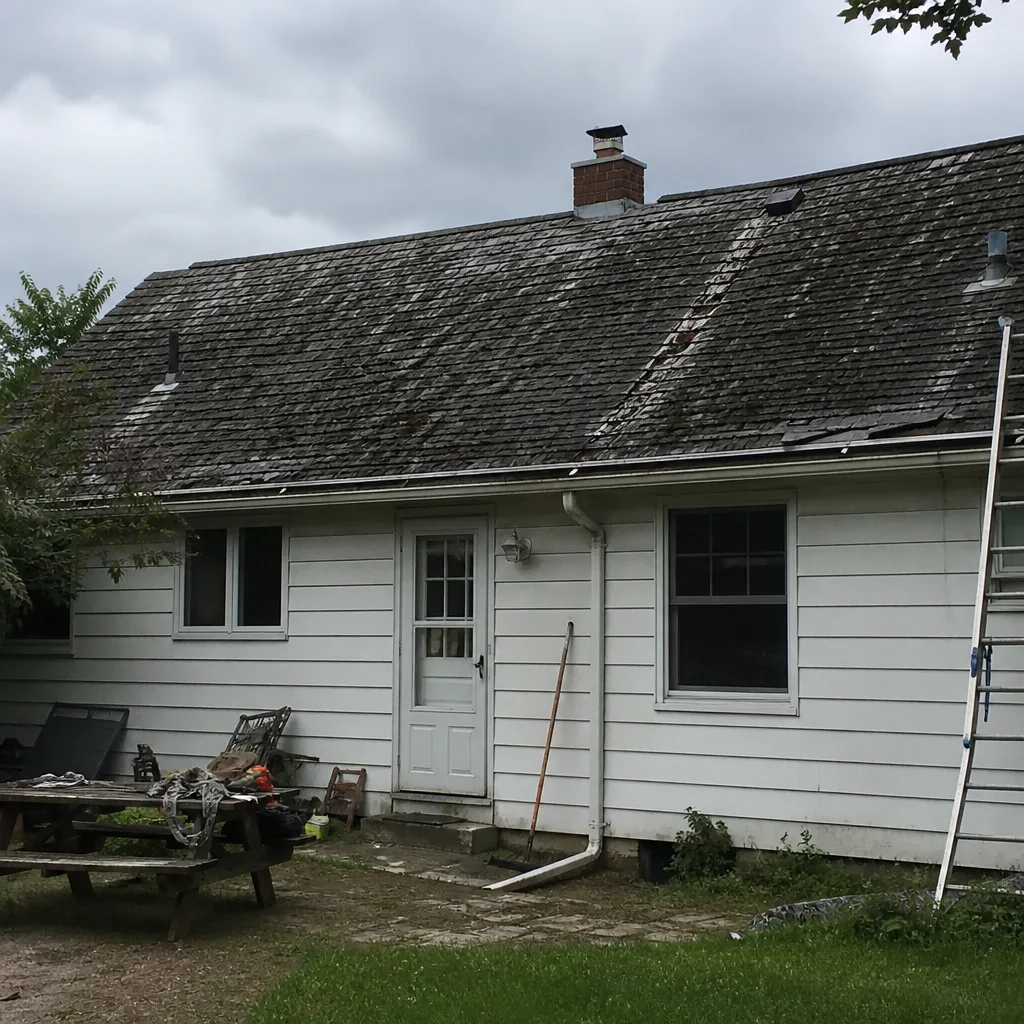 Before
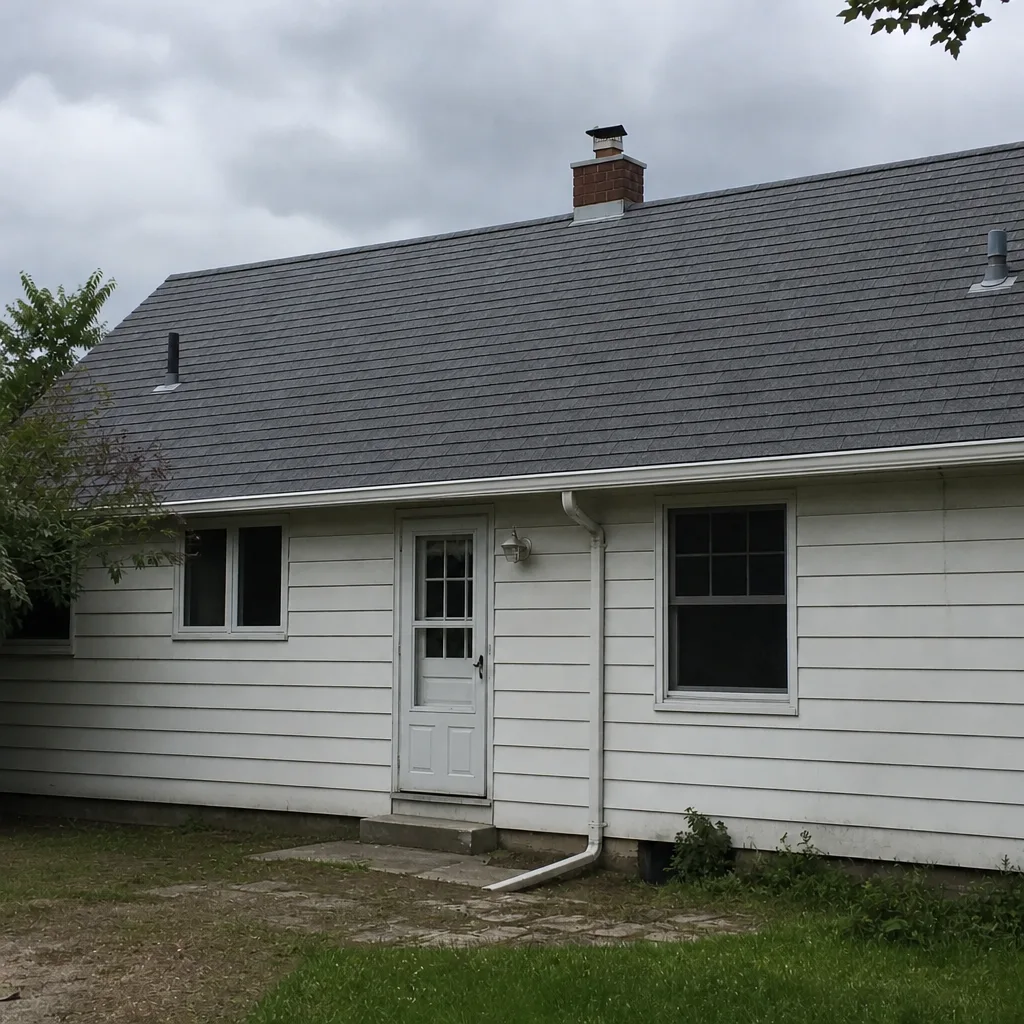 After
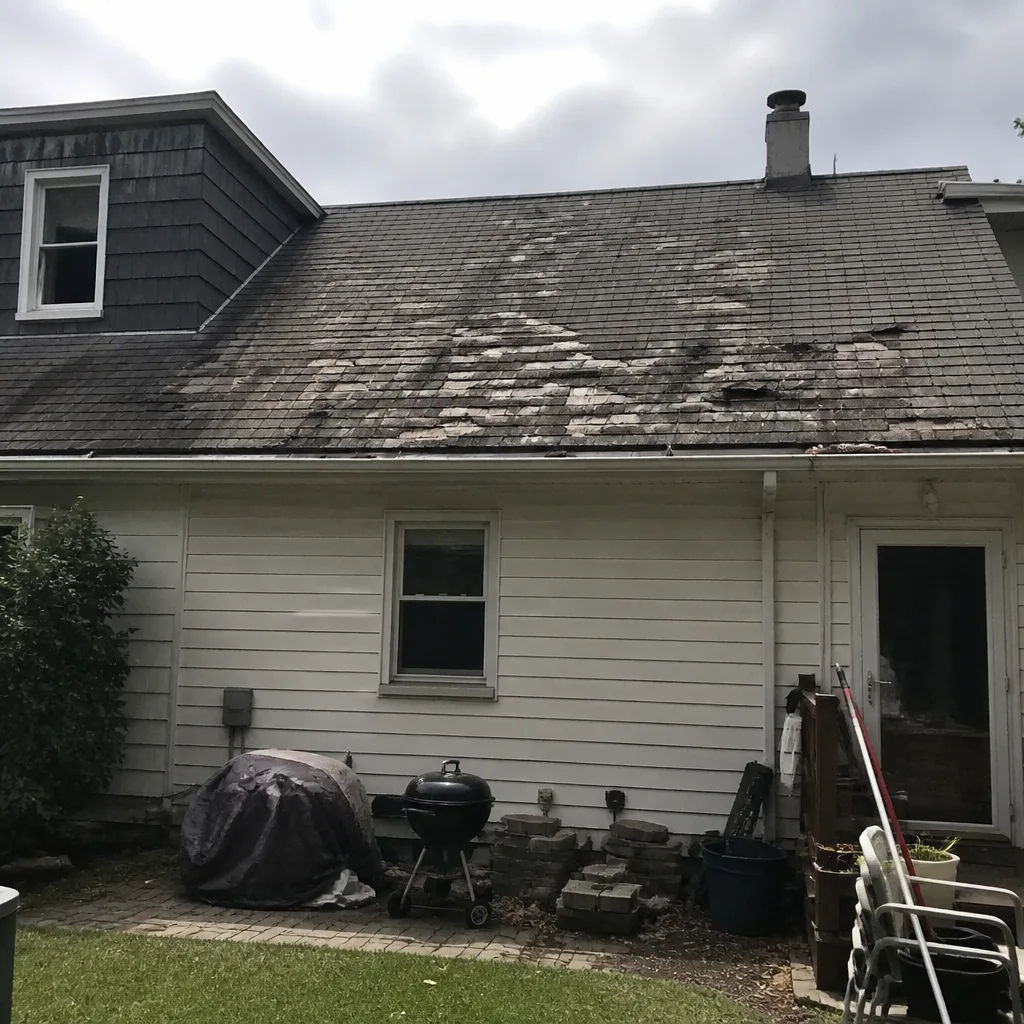 Before
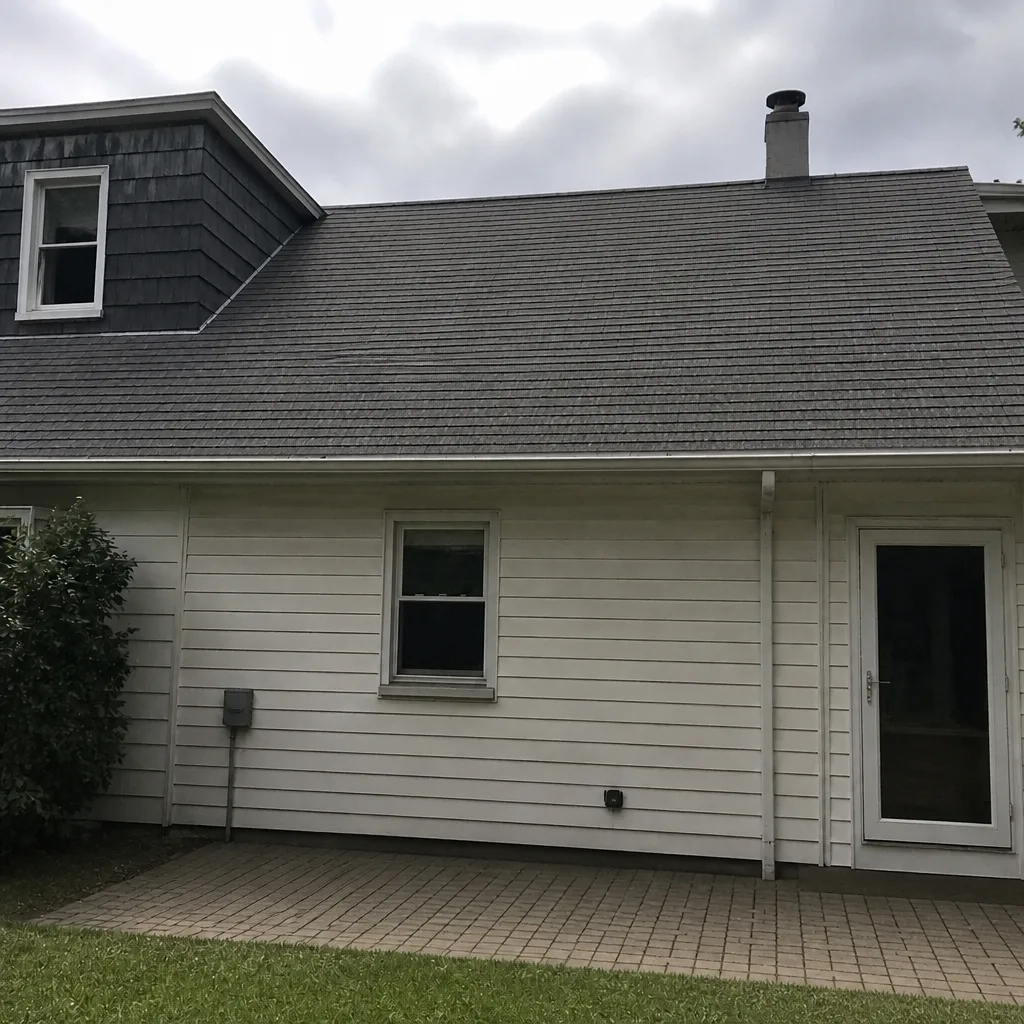 After
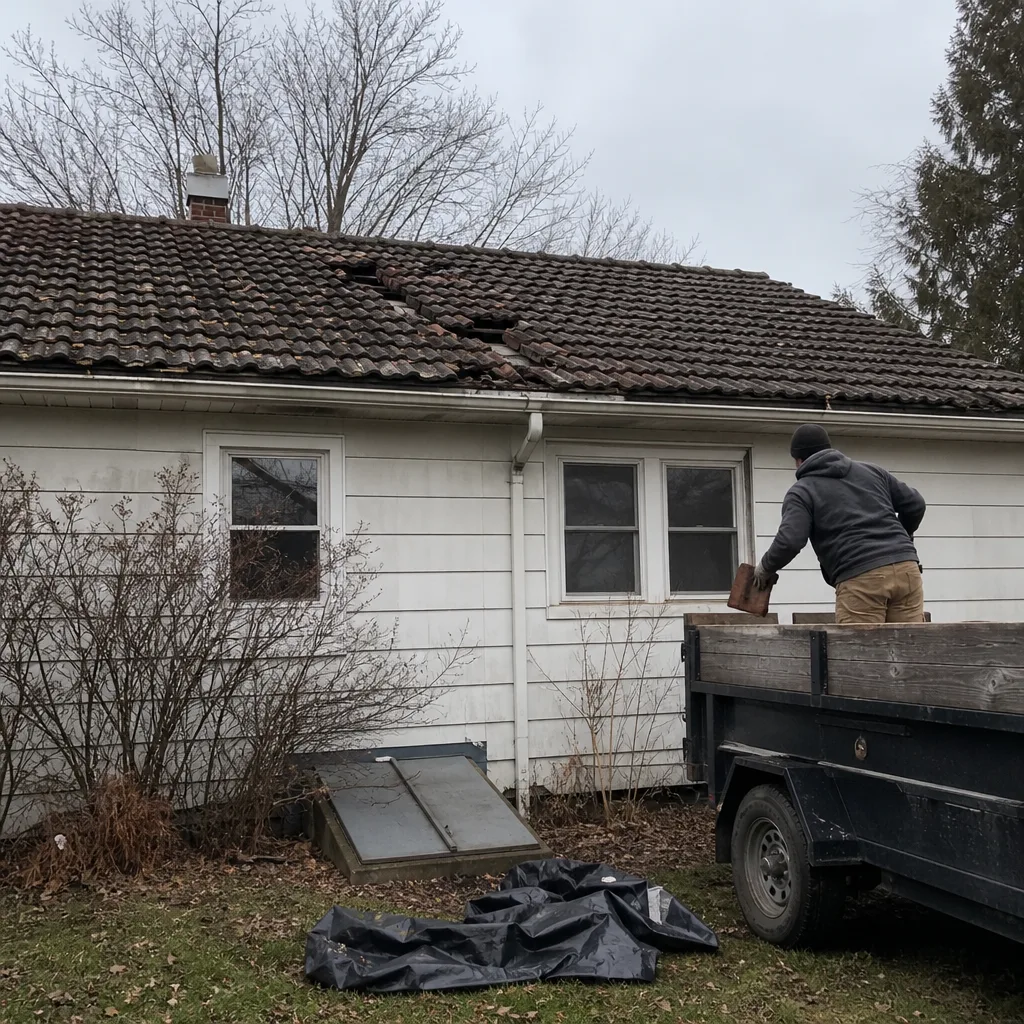 Before
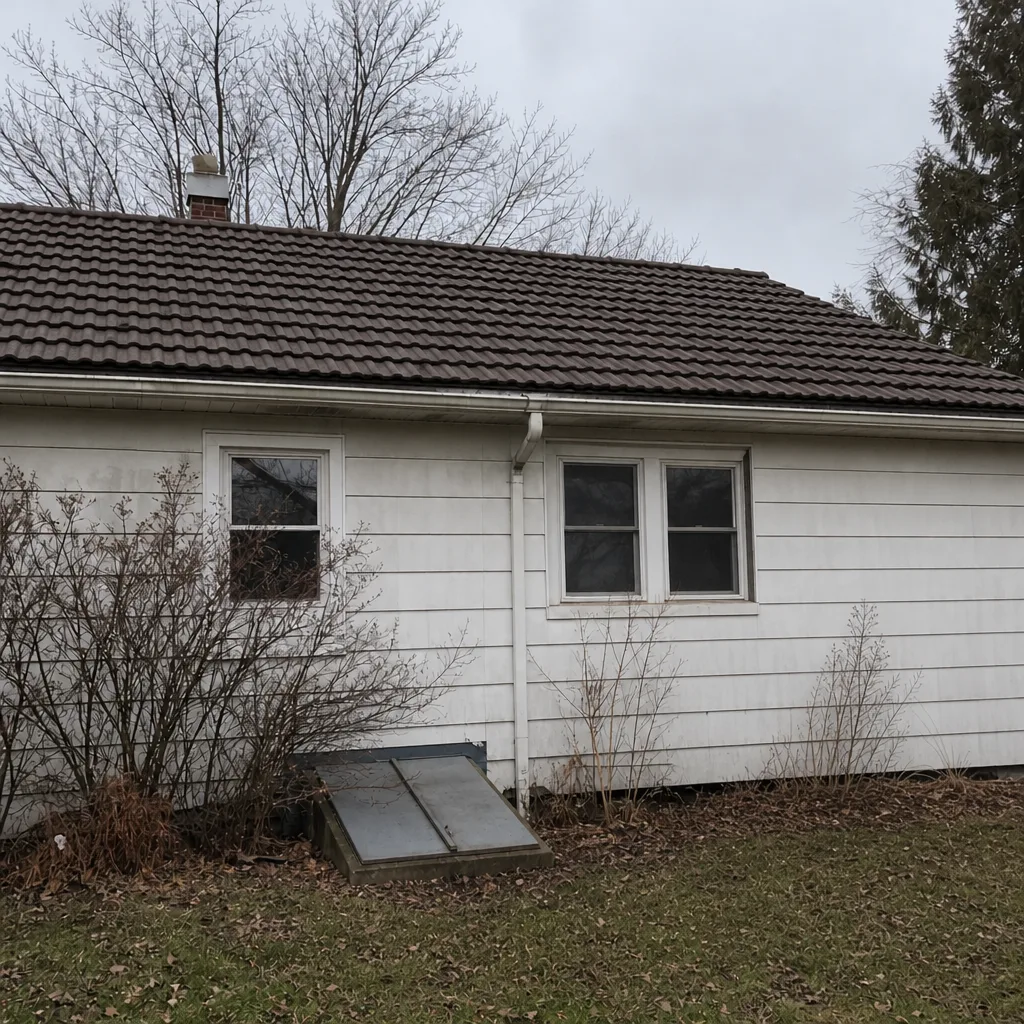 After
When to Call a Professional
Call when you see missing or lifted shingles after a wind event, granules accumulating at the base of downspouts, water stains on a ceiling, or a sagging roofline. Call when a home inspector flags the roof on a purchase or sale, when ice dams have caused interior damage, or when you’re considering a replacement and want a real diagnosis before anyone quotes a brand. Roof work involves height, wind, and structural risk, and it isn’t a job to take on from a ladder you own. Roof replacement in particular involves steep-roof and height work that calls for trained professionals with proper fall protection – we don’t recommend any DIY attempt on a roof surface. Stratford Roof Repair offers free estimates in Syracuse – call (844) 834-3413. We answer 24/7. Fast dispatch from 7am to 7pm, Sunday through Friday.
Our technicians have up to 15 years of experience, and we install across seven manufacturers. If you’re looking for local context, the Syracuse page covers what we see across the area’s housing stock.
Frequently Asked Questions
There isn’t one best brand for every Syracuse roof. The right pick depends on your roof’s pitch, wind exposure, budget, and how long you plan to stay in the house. A well-installed mid-tier shingle from any of the major manufacturers outperforms a premium shingle installed poorly. Call (844) 834-3413 for a free estimate and we’ll walk through the options for your specific roof.
Not always. Hail is uncommon here, so the hail argument for Class 4 is thin. The case for Class 4 in Syracuse is about the denser mat handling ice, wind debris, and freeze-thaw stress. On a lower-pitch roof or one with heavy tree cover it often makes sense; on a steep, sun-exposed roof, a well-installed Class 3 line from a good manufacturer performs well. Call (844) 834-3413 for an inspection that answers this for your roof.
It changes the warranty tier you qualify for, not the shingle itself. Top-tier installs typically unlock the strongest labor and material coverage and access to extended warranty options. Base-tier installs often get material-only coverage. Ask your contractor to show you in writing which tier your install qualifies for. Call (844) 834-3413 and we’ll review that with you before you sign anything.
Not in the way most homeowners assume. Most “lifetime” warranties on shingles are material-only in the later years, prorated, and often not transferable beyond a set window after a sale. The labor – the expensive part – is frequently excluded unless the contractor is on the manufacturer’s preferred list at install time. Read the source document, not the summary. Call (844) 834-3413 if you want help interpreting one.
Yes, usually. The shingle brand matters less for a repair than the condition of the deck, the underlayment, and the surrounding shingles. Matching a discontinued product is sometimes tricky, but repair-first is the right instinct. We’ll tell you if a repair will hold – and we’ll tell you when it won’t. Call (844) 834-3413 for a free inspection before you commit to replacement.
It depends on the product tier, the installation, and the ventilation – not on the brand name alone. A well-installed mid-tier or premium shingle with proper attic ventilation and ice-and-water shield will outlast an entry-level product installed to minimum spec. The freeze-thaw cycle here is the real test. Get an inspection before you assume a timeline. Call (844) 834-3413 and we’ll give you a straight answer on the roof you have.
The Bottom Line
The roofing brand is the last question, not the first. Start with an inspection that identifies pitch, exposure, deck condition, and ventilation. Then pick a product whose wind rating, impact class, and warranty terms match what your roof actually needs. Then confirm – in writing – that your contractor is certified at the tier the warranty requires and that the terms are enforceable in Central New York. No single brand wins every Syracuse roof. The right brand is the one that fits your roof, your budget, and your plans for the house. Seven brands, one recommendation: the right one for your roof. Call (844) 834-3413 for a free estimate. We answer 24/7. Fast dispatch from 7am to 7pm, Sunday through Friday.
Written by the team at Stratford Roof Repair.