
Last updated November 15, 2026
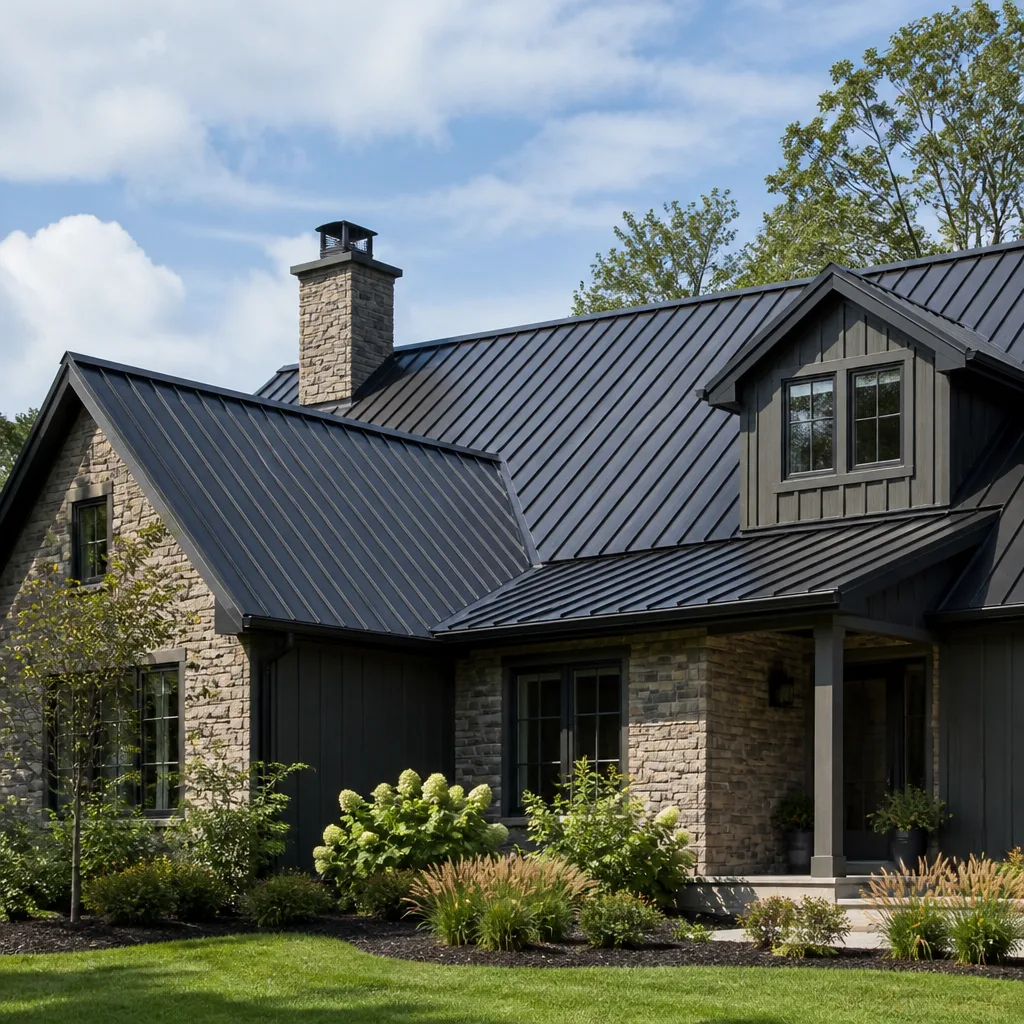 Metal roofing
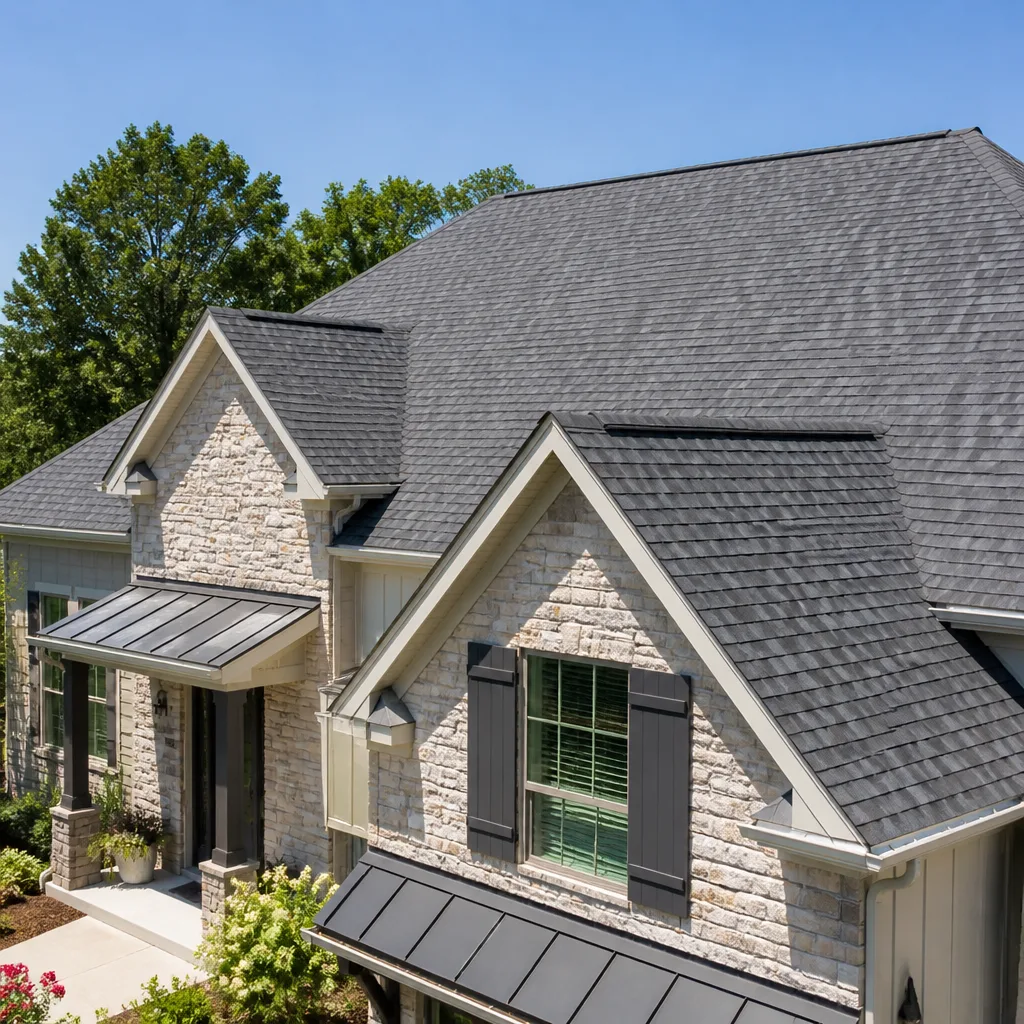 Architectural shingles
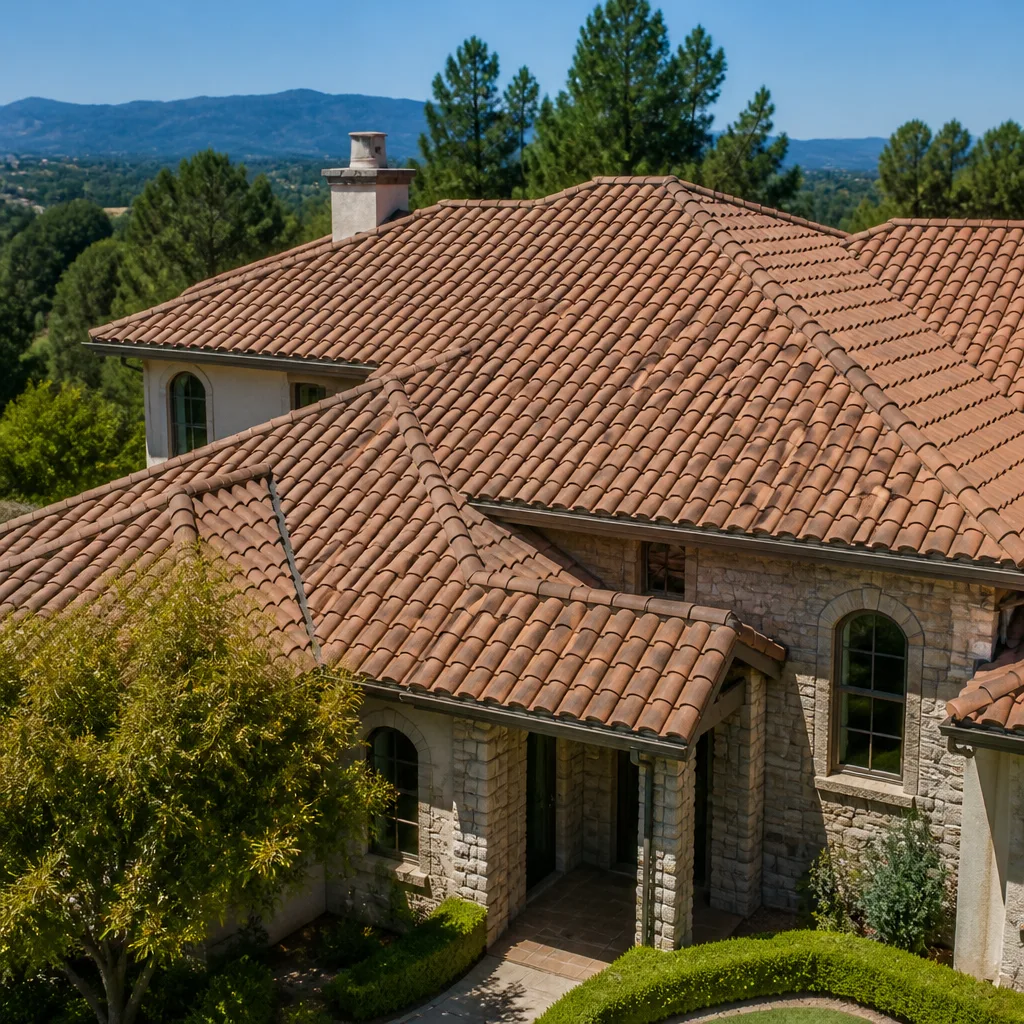 Tile roofing
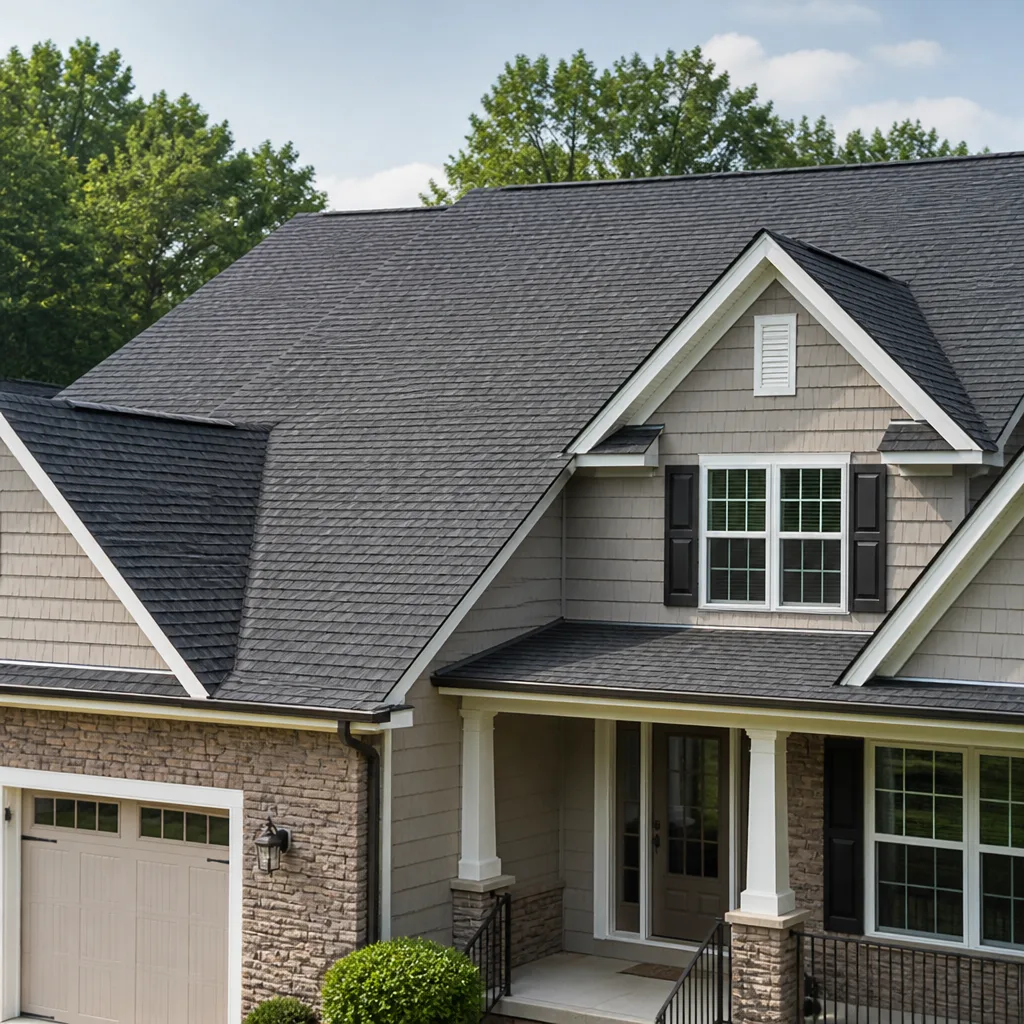 GAF
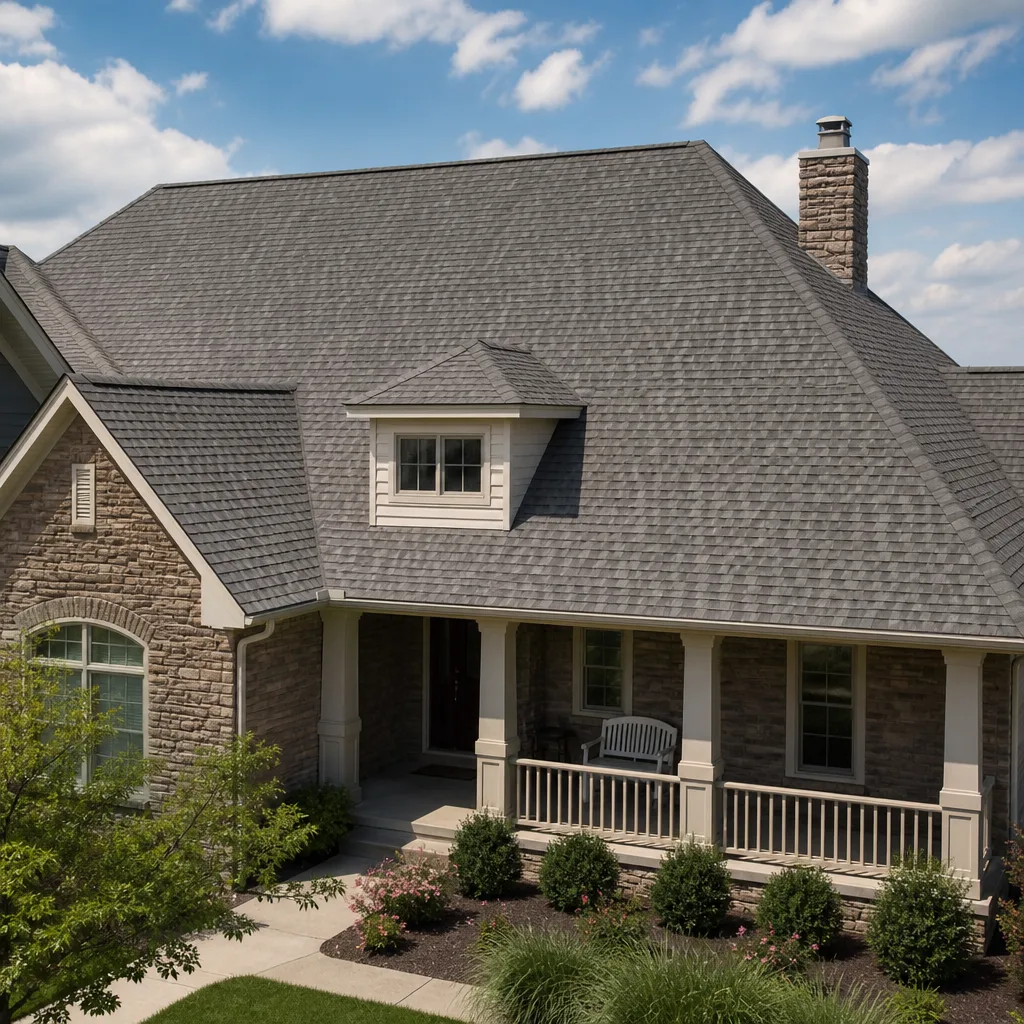 Owens Corning
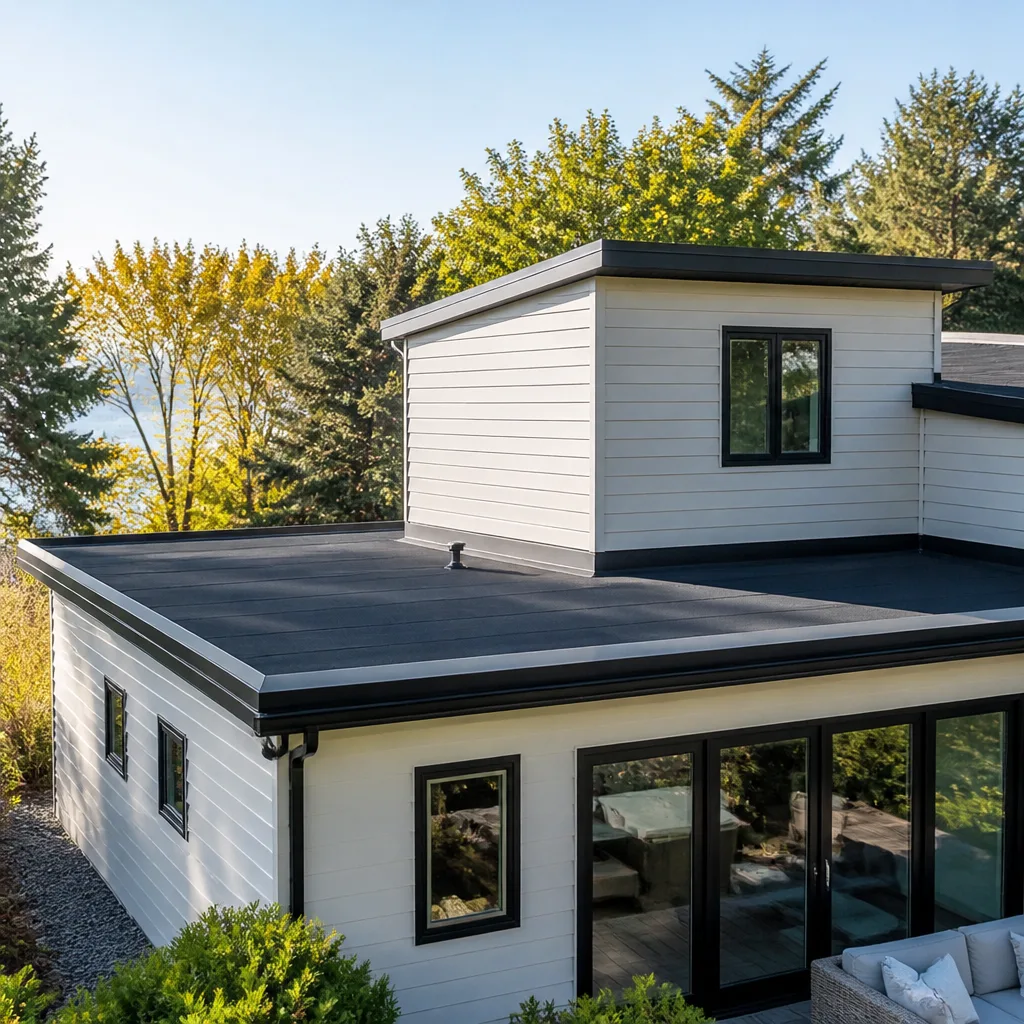 Flat & low-slope
Free roof inspection with deck photos before we talk money - GAF and Owens Corning certified installation
Roofing Cost Breakdown: The Syracuse Homeowner’s Reference for 2026
Here’s a number that surprises most homeowners: two quote totals for what sound like identical roofs can sit $6,000 or more apart, and both contractors can be telling the truth. The gap doesn’t come from one roofer being a crook. It comes from five cost variables hiding inside every bid – pitch, deck condition, valley layout, ice-and-water shield, and haul-off logistics – none of which show up in a single lump-sum number. Most people compare the bottom line because nobody explains the middle. This guide fixes that. We’ll walk through what roofing actually costs in the Syracuse market in 2026, what drives the spread, and how to read a line-item quote so you can see exactly what you’re paying for.
Quick Answer
A typical roof replacement in Syracuse in 2026 runs roughly $9,500 to $18,000 for an average single-family home, with most projects landing in the $12,000 to $15,000 range depending on square footage, pitch, decking condition, and shingle tier. Repairs usually run $350 to $1,800 depending on the scope. The final price is set per job by a written estimate, and any honest quote should break the cost into line items you can read.
Styles & brands we work with
- Architectural shingles
- Metal roofing
- Tile roofing
- GAF
- Owens Corning
- Flat & low-slope
Table of Contents
- The Five Cost Drivers That Actually Move Your Quote
- 2026 Material Cost Ranges by Shingle Tier
- Why Syracuse Labor Costs Run Where They Do
- How to Read a Line-Item Quote
- The Hidden Cost Categories Homeowners Don’t Budget For
- How Central New York Weather Shortens Roof Life
- Repair vs. Replace: How to Decide
- What the Process Looks Like Start to Finish
The Five Cost Drivers That Actually Move Your Quote
In our experience, five variables account for most of the spread between quotes on what appear to be the same roof. A homeowner who can name these five can spot the difference between an honest low bid on a simple job and a bid that’s quietly priced a bigger scope.
- Roof pitch. A walkable 4:12 roof is faster and safer to work than a steep 9:12 or 12:12 roof. Steep roofs need roof jacks, staging, and harnesses, and they slow every step. A steep-pitch roof can add 15 to 25 percent to labor alone.
- Deck condition. The shingles come off, but what’s underneath matters more. Soft or rotted sheathing has to be replaced board by board, and the cost gets quoted per sheet. On an older Syracuse home with a plank-style deck, that correction can reshape the budget.
- Valley complexity. Hip roofs are simpler to waterproof than roofs with multiple valleys, dormers, and intersections. Every valley is a place water funnels, so every valley gets extra membrane and extra care. Complex rooflines cost more because they take longer to make watertight.
- Ice-and-water shield requirements. In this climate, code calls for ice-and-water membrane along the eaves, in valleys, and around penetrations. The more eaves and valleys a roof has, the more membrane gets installed – and that membrane isn’t cheap.
- Disposal and haul-off logistics. Old shingles are heavy – a typical roof produces several tons of tear-off. In a tight city lot, getting a dumpster positioned and loaded takes coordination and sometimes a street permit. That logistics cost is real and should show up in the quote.
Every one of those variables is visible. What makes quoting confusing is that contractors bundle them differently. One roofer prices the easy pitch and rates the deck condition as “assume replacement”; another prices the same roof as “assume repair as needed.” Same roof, different assumptions, wildly different number. When you get a roof repair quote, ask which of these five factors was assumed and which was measured.
2026 Material Cost Ranges by Shingle Tier
Material cost in Central New York tracks broadly with national supply pricing, but the tiers are distinct and worth naming clearly. Here are current estimated per-square ranges (a “square” is 100 square feet of roof) for the common shingle categories as installed by licensed contractors. The final per-job price is set by the written estimate.
| Shingle Tier | Typical Installed Range (per square) | Expected Service Life | Notes |
|---|---|---|---|
| 3-tab asphalt | $420 – $620 | 18 – 22 years | Budget tier, thinner material, less wind resistance |
| Architectural / dimensional | $580 – $850 | 25 – 30 years | The sensible middle for most Syracuse homes |
| Impact-resistant (Class 4 rated) | $750 – $1,050 | 30 – 35 years | Heavier mat with reinforced backing for storm resistance |
| Premium designer / luxury | $1,100 – $1,800 | 35 – 50 years | Boral’s synthetic slate and shake lines sit here, along with premium architectural lines from GAF and CertainTeed |
A few things worth clarifying. First, those ranges are materials and installation, not the whole job – tear-off, decking repairs, and permits sit alongside. Second, architectural shingles are the sensible choice for most Syracuse homes, because the price gap over 3-tab is modest and the wind resistance is better in a climate that sees real wind loads. Third, multi-brand contractors aren’t pushing a single product line; they can match the tier and profile to your roof and budget. That’s what we mean by seven brands, one recommendation: the right one for your roof. Boral, IKO, Atlas, and Tamko all offer different strengths within these tiers.
If you’re weighing a full roof replacement, the material tier is where most of the decision happens. You choose how long the roof lasts and how much protection it gives you against storm impact. Pick the tier that matches how long you plan to stay.
Why Syracuse Labor Costs Run Where They Do
Roofing labor in Syracuse prices above the national average for a simple reason: weather. A roofing season compressed by snow cover, spring freeze-thaw, and a short fall window means demand concentrates, and crews need to earn a full year’s living in fewer calendar months. The cost is real. The question is what you get for it.
- Licensed, insured crews. Roofing is dangerous work, and licensed contractors carry general liability and workers’ comp. That cost is embedded in every honest quote.
- Warranty backing. Factory-level warranty coverage depends on the material and installation. Multi-brand specialists can put you in a manufacturer’s program that carries a straightforward warranty when the number gets filed – as long as the contractor installs to spec.
- Crew accountability. A contractor who specializes in one trade holds a crew to a single set of standards. When a company spreads attention across roofing and general, roofing suffers for it. Specialists live or die on the roof.
- Safety equipment. Harnesses, staging, ladders, roof jacks, and the training to use them correctly aren’t free, and skipping them costs less than carrying them. That should show up in the difference.
Our technicians have up to 15 years of experience, and that shows itself in how work gets sequenced on a real roof – not in a marketing line. What you’re paying for on a Syracuse roofing crew is experienced hands on steep pitch, in weather that can turn, on a single trade. That’s a different product than a general handyman charging less.
How to Read a Line-Item Quote
A line-item quote is the fastest way to spot a low bid that hides work versus a high bid that’s transparent. A quote that treats the whole roof as one lump number keeps the homeowner blind to scope. A good quote breaks the job into parts and prices each one. Here’s what should be listed separately.
- Tear-off. Removal of existing layers, with the number of layers specified. A roof with a second layer adds labor and dumpster weight.
- Decking replacement allowance. Stated per sheet, with a per-sheet cost. Ask what the assumed count is.
- Ice-and-water shield. Where it goes (eaves, valleys, penetrations) and how many linear feet are priced.
- Underlayment. Synthetic or felt, with coverage area.
- Drip edge. A code line that gets omitted on cheap quotes and then added later.
- Ventilation. Ridge vent, intake vents, and any corrections required to bring the roof to spec.
- Shingles and accessories. Brand, product line, and quantity. Specifying the brand matters for warranty.
- Permit. Listed as a line item and not bundled into labor.
- Dumpster and disposal. Positioned, permitted, and hauled off.
- Flashing. Chimney, skylight, and wall flashing – a bundle that hides a scam.
Every one of those lines is a place to ask a question. If something is missing from the quote, ask whether it’s included. If it’s bundled into labor, ask what scope the bundle covers. And if the quote has “and all other work as required” as a catch-all, treat that as a red flag – it obscures scope. A quote you can read is a quote you can trust.
The Hidden Cost Categories Homeowners Don’t Budget For
The “hidden costs” of roofing aren’t a scam category; they’re real work lines most homeowners don’t know to ask about. Budgeting for these on top of the shingle pile is what separates a smooth project from a mid-job surprise.
- Permit fees. Most municipalities require a roofing permit. The fee varies by jurisdiction and by roof size, but it’s a real cost that should be listed on the quote, not buried.
- Dumpster placement permits. A dumpster on a Syracuse city street often needs a permit. In a tight lot, contractors may need to stage materials elsewhere and shuttle them in – extra labor, extra cost.
- Drip edge code upgrades. Drip edge is code, but older homes often didn’t have it installed correctly, so replacement can include upgrading it. Small cost, easy to miss.
- Ventilation corrections. If attic venting is inadequate, code requires the fix during replacement. Balanced intake and ridge vent aren’t optional.
- Deck repairs beyond the assumption. A per-sheet allowance is an estimate, not a guarantee. Rot uncovered on tear-off gets added at the same per-sheet rate.
None of these should surprise you. A transparent contractor explains each one before the job starts. When comparing quotes, ask a direct question: “Which of these are included in your number, and which are added later?” That’s the honest answer test.
How Central New York Weather Shortens Roof Life
Syracuse weather is hard on roofs. Lake-effect snow loads, repeated freeze-thaw cycles, wind-driven rain, and long winters all take their turn. The freeze-thaw piece matters most: water gets into a hairline crack, freezes overnight, expands, and splits the shingle open. Do that a few dozen times over a winter and shingles age faster than the manufacturer’s rated life suggests.
Snow load is another factor. Steep roofs shed snow better than flatter ones, but plenty of Syracuse neighborhoods have homes that hold snow for weeks at a time. Weight sitting on a roof stresses the deck, and every small flaw in the decking gets amplified. Ice dams – where snowmelt refreezes at the eaves – can force water up under shingles and into the attic. That’s exactly why ice-and-water shield at the eaves isn’t optional in this market; it’s a climate requirement, not an upcharge.
Wind matters too. Syracuse gets real wind on exposed blocks, and 3-tab shingles have a habit of lifting at the tabs and tearing loose. Architectural shingles hold better, and an impact-resistant Class 4 tier holds better again. If your neighborhood catches wind on the open side of the street, the tier decision makes itself.
What all this means for cost is simple: a roof that fails from climate-related wear tends to fail in patterns, not accidents. That’s useful for homeowners because it means an inspector can see the pattern, not just the problem. An honest roofing contractor will tell you whether a repair will hold for the long haul or whether the roof is at the end of its service life.
Repair vs. Replace: How to Decide
The repair-or-replace question is where upselling happens. The right answer depends on three things: the age of the current roof, the scope of the damage, and whether a repair will actually hold. If a repair keeps water out and the roof has meaningful life left, repair is the sensible answer. If it won’t, replacement is the honest one.
Here are the signals that a repair will hold:
- Damage is limited to a small section or a single valley.
- Surrounding shingles are still flexible and intact.
- Decking under the damaged area is sound.
- The roof has more than a few years of life left in its material tier.
And the signals that replacement is the sounder long-term answer:
- Damage is widespread or the roof is at the end of its rated life.
- Multiple leaks are appearing in different places.
- Decking is soft or rotted across more than isolated patches.
- Repeated repairs on the same area suggest a root cause that can’t be patched.
We’ll tell you if a repair will hold – and we’ll tell you when it won’t. That’s a roof inspection as a standalone service, not a sales call pushing a replacement. A professional assessment tells you exactly where the roof stands before you commit to anything. That assessment is the most valuable line item on any roofing relationship, and it’s where the decision gets made correctly.
What the Process Looks Like Start to Finish
Homeowners who’ve never had a roof replaced usually want to know what actually happens. Here’s how a typical job moves, from the first call to the final cleanup.
- Inspection and assessment. A contractor examines the roof, attic, and flashing. Deck condition, pitch, valley scope, and existing ventilation get documented.
- Written estimate. A line-item quote with each scope category priced. Permits, disposal, decking allowance, and staging shown separately.
- Material selection. You pick the tier and brand profile. A multi-brand contractor presents options from his roster without tilting toward one because it offers better margin.
- Permit and scheduling. The contractor pulls the permit and schedules the job. Staging and dumpster placement get arranged.
- Tear-off and deck inspection. Old shingles come off. Deck condition is verified against the estimate.
- Deck corrections and membrane. Rotted boards get replaced. Ice-and-water shield goes at eaves, valleys, and penetrations.
- Underlayment, drip edge, and flashing. Base layers get installed and sealed. Flashing at chimneys, walls, and skylights gets set.
- Shingle installation and ventilation. Field shingles go down. Ridge vent and intake vents get installed to spec.
- Cleanup and final inspection. Nails get swept with a magnetic roller, the dumpster leaves, and the contractor walks the finished roof.
A job is manageable when every step is visible. If a contractor can’t walk you through this sequence and point to where things happen on your specific roof, that’s worth flagging. The process is standardized; the application isn’t, and the estimate should show you where you sit in it. If you’re working with Stratford Roof Repair, these steps get walked through before the estimate is signed.
Common Mistakes to Avoid
- Comparing totals instead of scope. A low total that leaves out ice-and-water shield, decking allowance, or permits isn’t a cheaper roof – it’s an incomplete one. Compare line items, not bottom lines.
- Skipping the inspection. A quote given from the curb or the driveway without a proper roof and attic inspection misses the deck condition, ventilation, and flashing issues that determine real scope. Insist on an on-roof inspection.
- Letting a single-brand contractor lock you in. A contractor tied to one manufacturer can only offer that manufacturer’s tiers. A multi-brand specialist has more scope for a budget-matched recommendation.
- Ignoring attic ventilation. A roof installed over inadequate venting can fail prematurely. Ventilation is a code requirement and a warranty requirement – make sure it’s on the quote.
- Assuming a repair will hold on a roof at the end of its life. Repeated repairs on an aging roof cost more over time than honest replacement. Ask the direct question: will this repair hold up to next winter?
- Overlooking disposal logistics. On a tight Syracuse city lot, dumpster placement and street permits are real costs. Ask how haul-off gets handled before the job starts.
- Choosing on price alone. A licensed, insured contractor who pulls permits and provides a written line-item quote is worth more than a lower number. The roof outlives the invoice.
See the difference
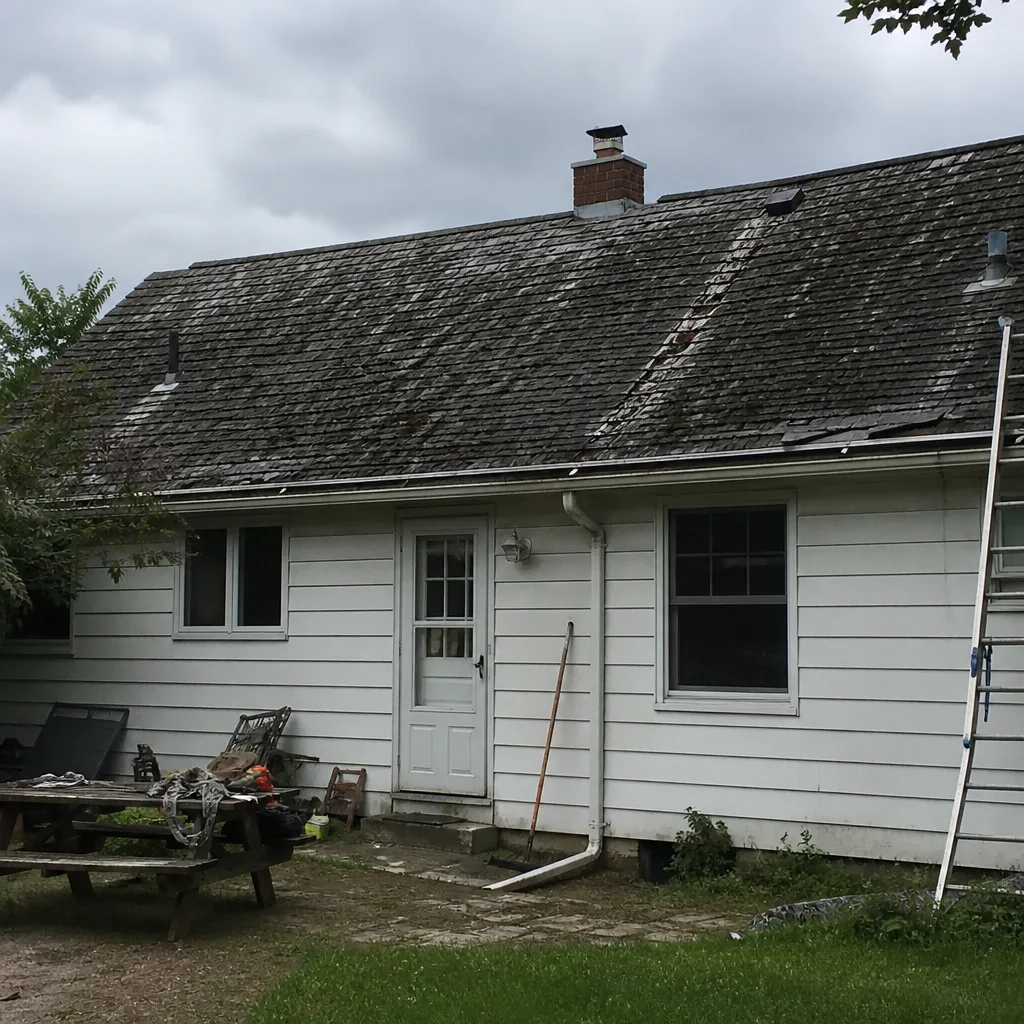 Before
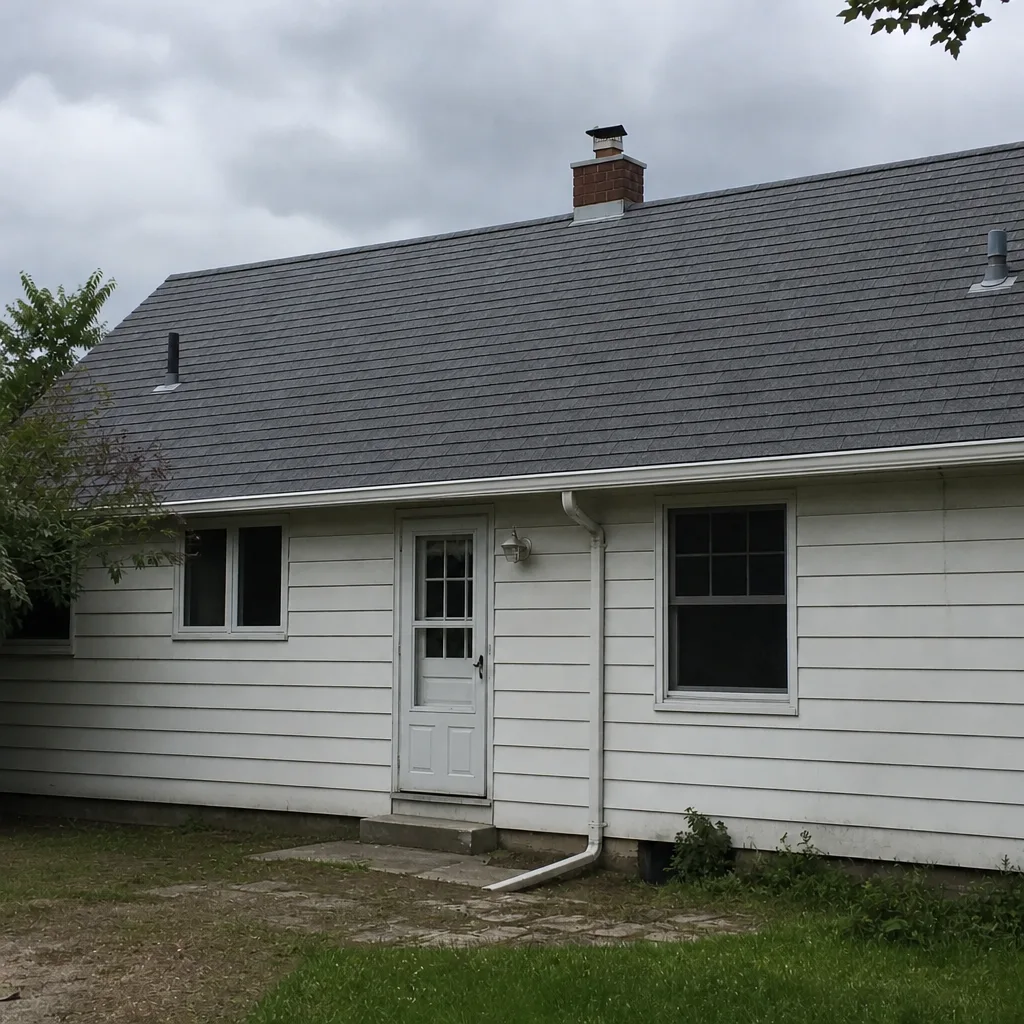 After
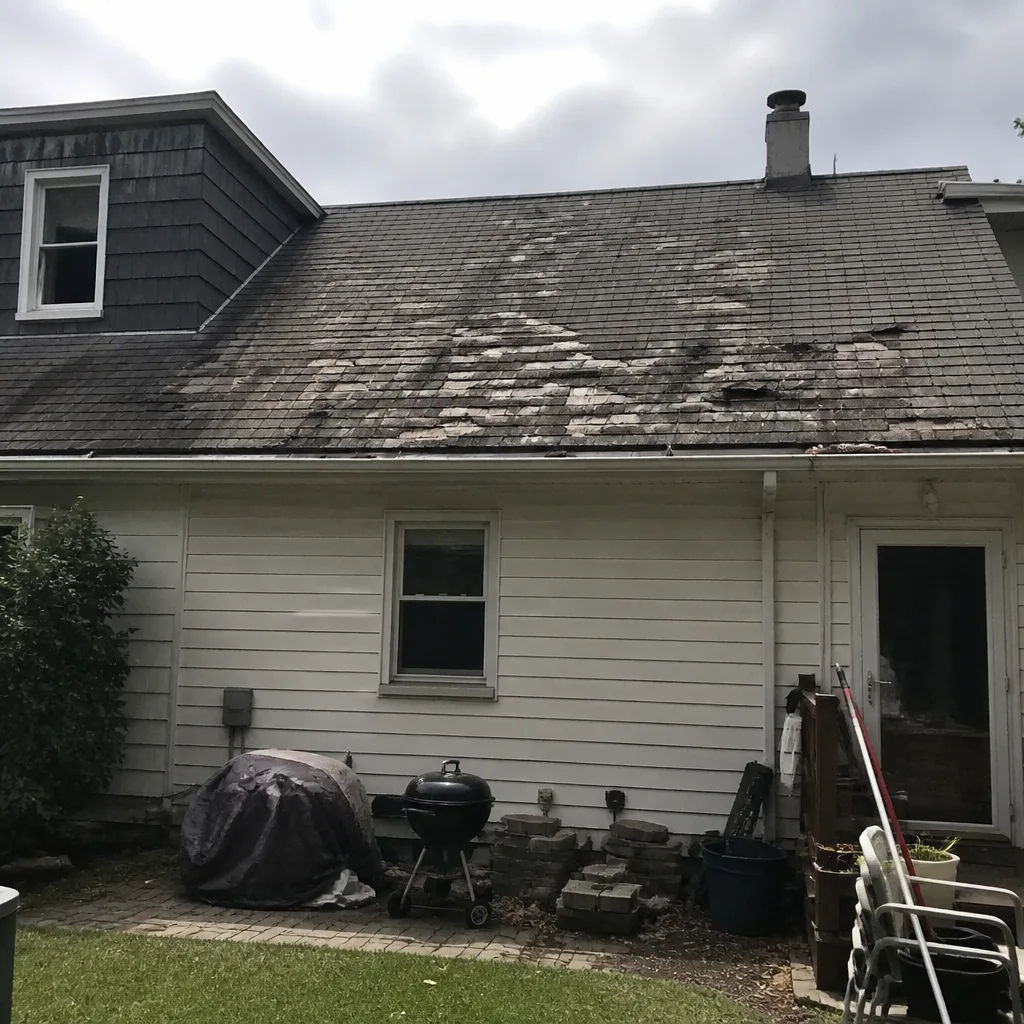 Before
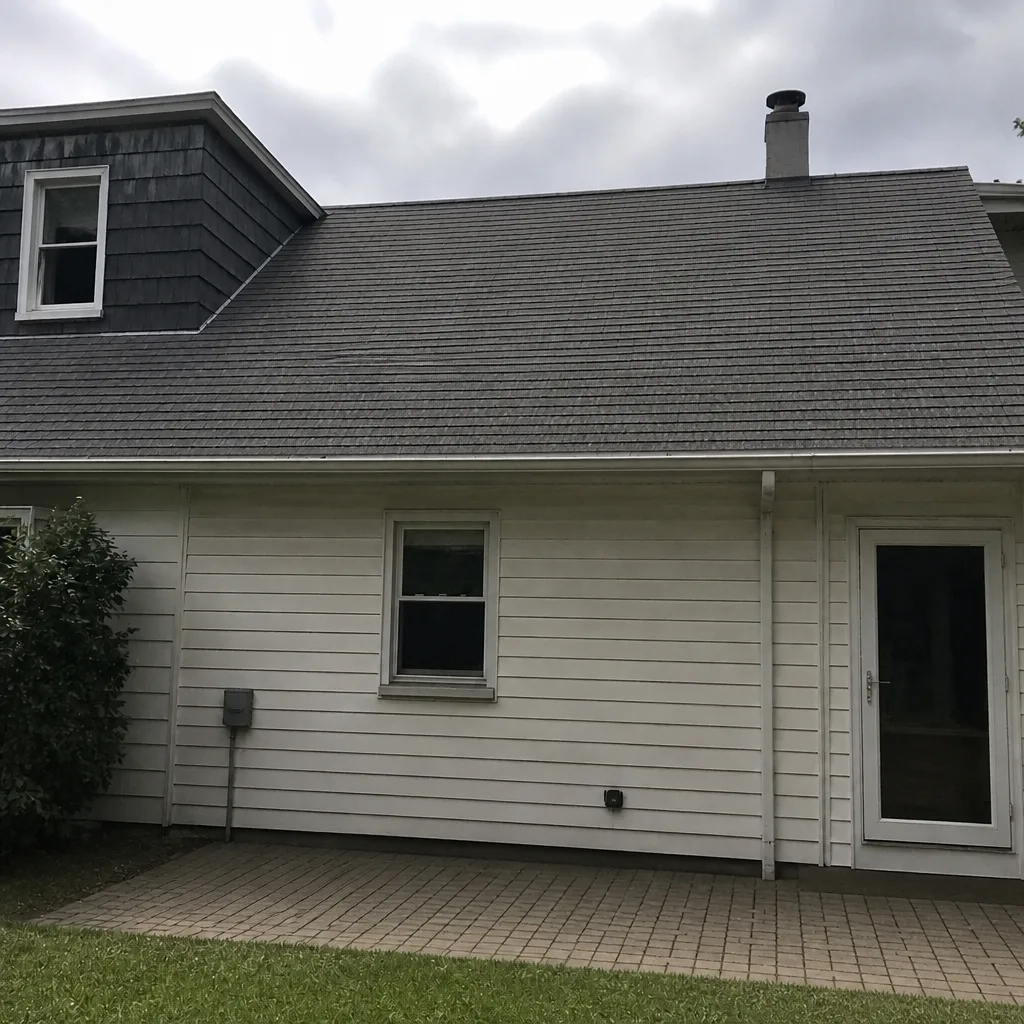 After
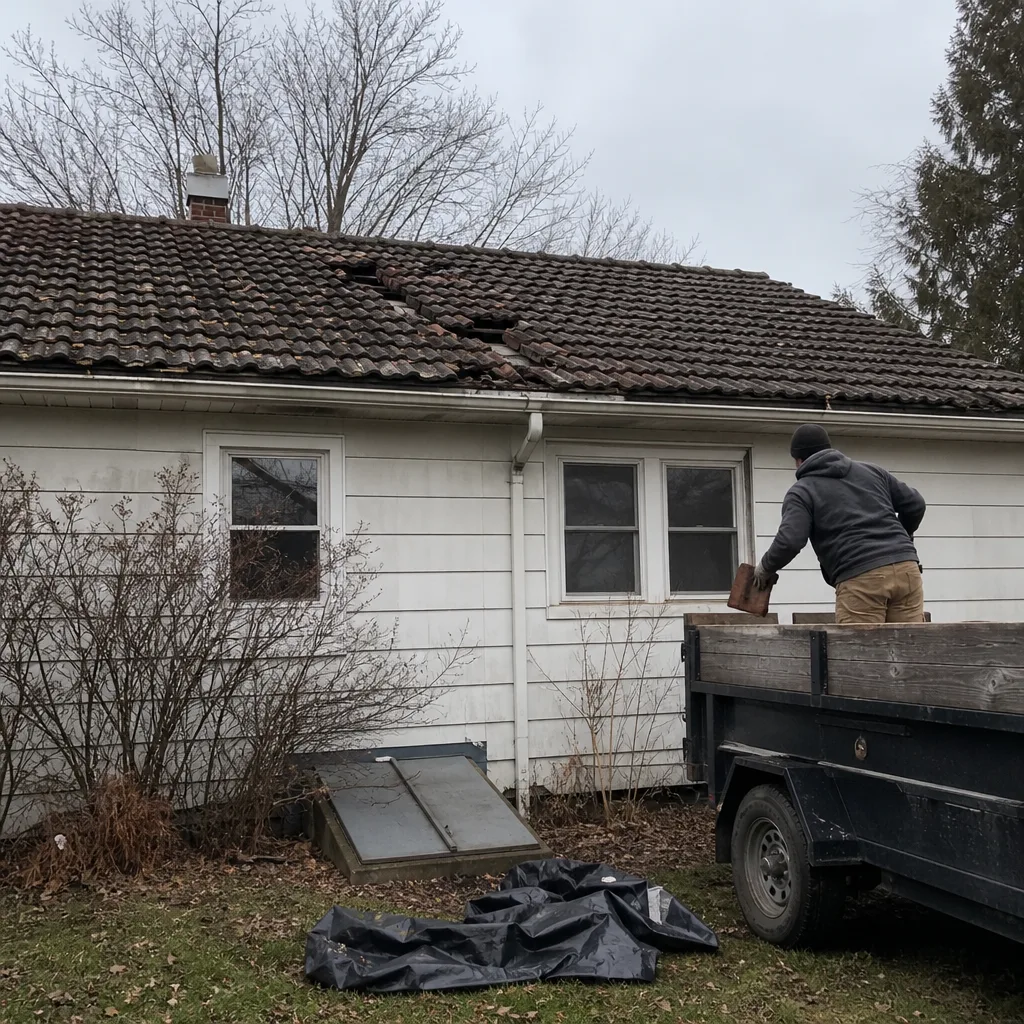 Before
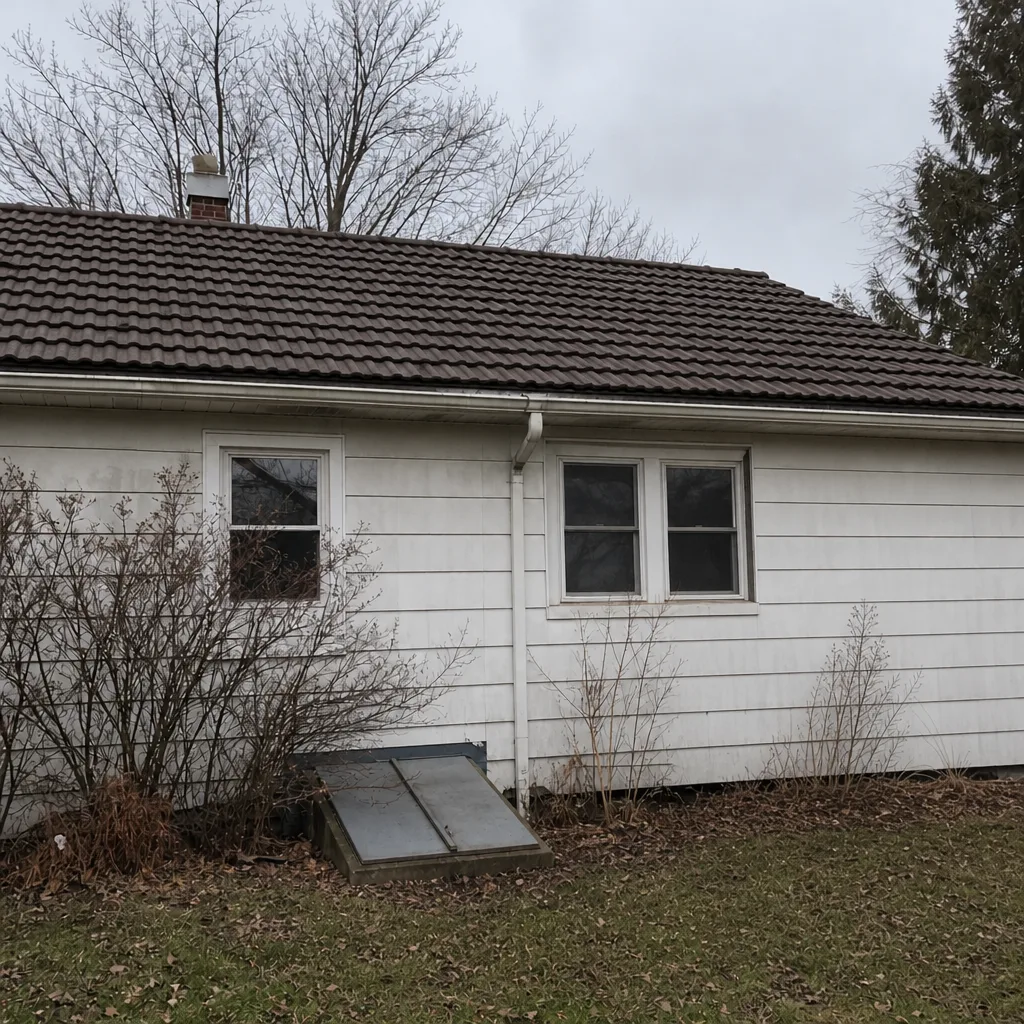 After
When to Call a Professional
Call a professional if you’re seeing active leaks, water stains on attic decking, missing or torn shingles, granules collecting in gutters, daylight visible through the roof boards, or sagging rooflines. Call if a storm has hit and you’re unsure whether damage is cosmetic or structural. Call if your insurance inspector flagged the roof. And call if you’re simply unsure whether a repair will hold – a professional inspection answers that question without committing you to anything. Stratford Roof Repair offers free estimates in Syracuse – call (844) 834-3413. We answer 24/7. Fast dispatch from 7am to 7pm, Sunday through Friday. If a call comes in outside dispatch hours, it’s booked into the next opening.
Frequently Asked Questions
A typical roof replacement in Syracuse in 2026 runs about $9,500 to $18,000, with most jobs landing in the $12,000 to $15,000 range. The final price depends on square footage, pitch, deck condition, valley count, and shingle tier, and the written estimate sets the number. Call (844) 834-3413 for an exact quote – estimates are free.
Because they usually aren’t the same roof. One quote may assume a walkable pitch and a sound deck, while the other may assume steep pitch, decking replacement, and additional valley work. The five cost variables – pitch, deck, valleys, ice-and-water shield, and disposal – account for most of the spread. Ask each contractor what they measured versus assumed.
Most Syracuse roof repairs run roughly $350 to $1,800 depending on the scope. A small flashing repair sits at the low end; a valley reroute or a multi-section patch sits at the high end. The estimate is free, and the written quote sets the price. Call (844) 834-3413 to schedule an inspection.
Only if the scope changes for reasons that couldn’t be seen before tear-off – most commonly, decking rot beyond the assumption. A line-item quote prices deck replacement per sheet so the change is straightforward and visible. If nothing changes, the written estimate holds. Ask any contractor what their change-order process is before signing.
Yes. Roofing permits are a standard part of the job in Syracuse, and a proper permit gets pulled before work begins and passed on final inspection. Permit costs should show up as a line item on the quote – if a quote doesn’t mention permit fees, ask. Call (844) 834-3413 to talk through the permit process for your roof.
Most single-family roof replacements take one to three days of working time, depending on roof size, pitch, and how much decking repair gets uncovered. Complex rooflines and steep pitches add time. Your contractor should give a schedule with the written estimate. Call (844) 834-3413 to get a timeline specific to your roof.
The Bottom Line
Roofing cost in Syracuse in 2026 comes down to five variables – pitch, deck, valleys, ice-and-water shield, and disposal – layered on the shingle tier you choose. Material ranges run $420 to $1,800 per square depending on tier, labor tracks higher than the national average because of the compressed season, and the hidden costs of permits, drip edge, ventilation, and haul-off should all show up as line items. Compare quotes on scope, not totals. A line-item quote is the fastest way to spot a real bid. Repair when a repair will hold, replace when it won’t, and insist on an inspection before anything gets signed. If you want a straight answer on what your roof needs, call (844) 834-3413 for a free estimate in Syracuse. We answer 24/7. Fast dispatch from 7am to 7pm, Sunday through Friday.
Written by the team at Stratford Roof Repair.