
Last updated November 15, 2026
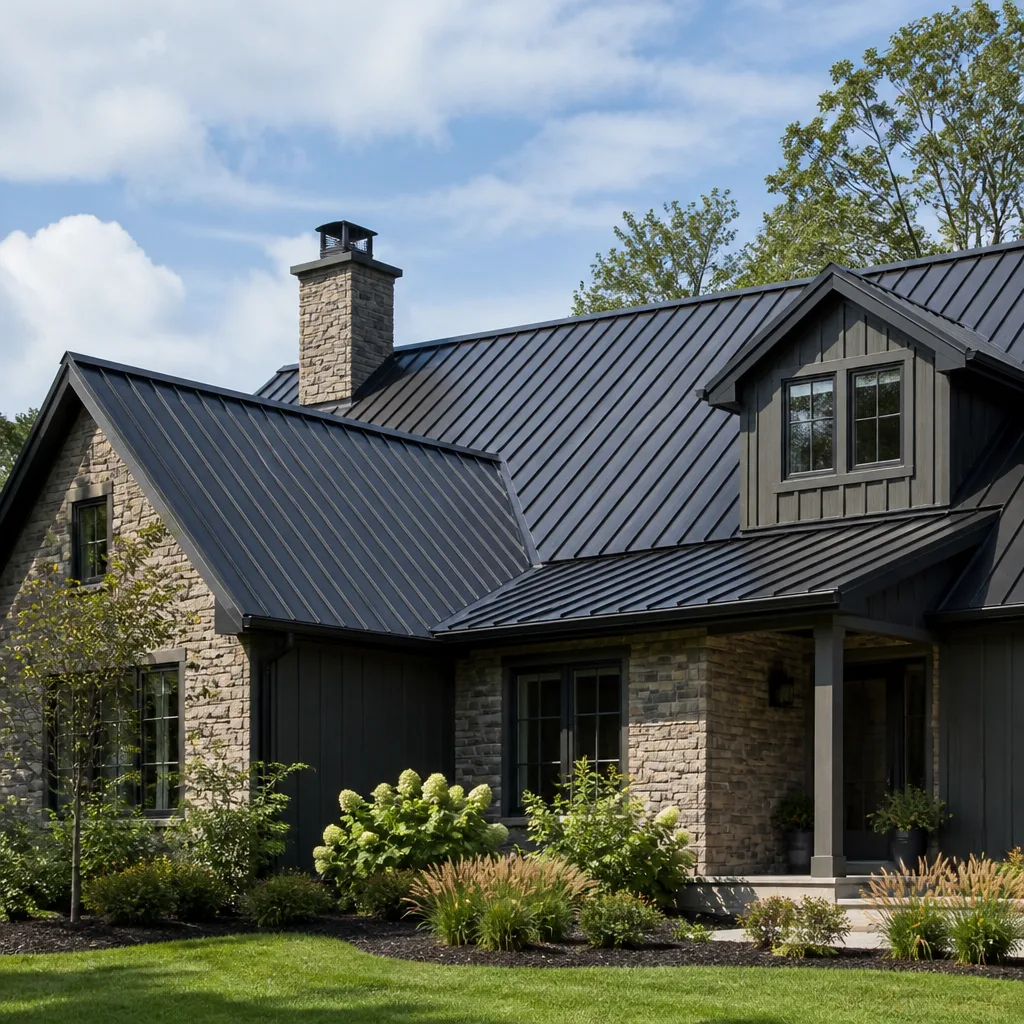 Metal roofing
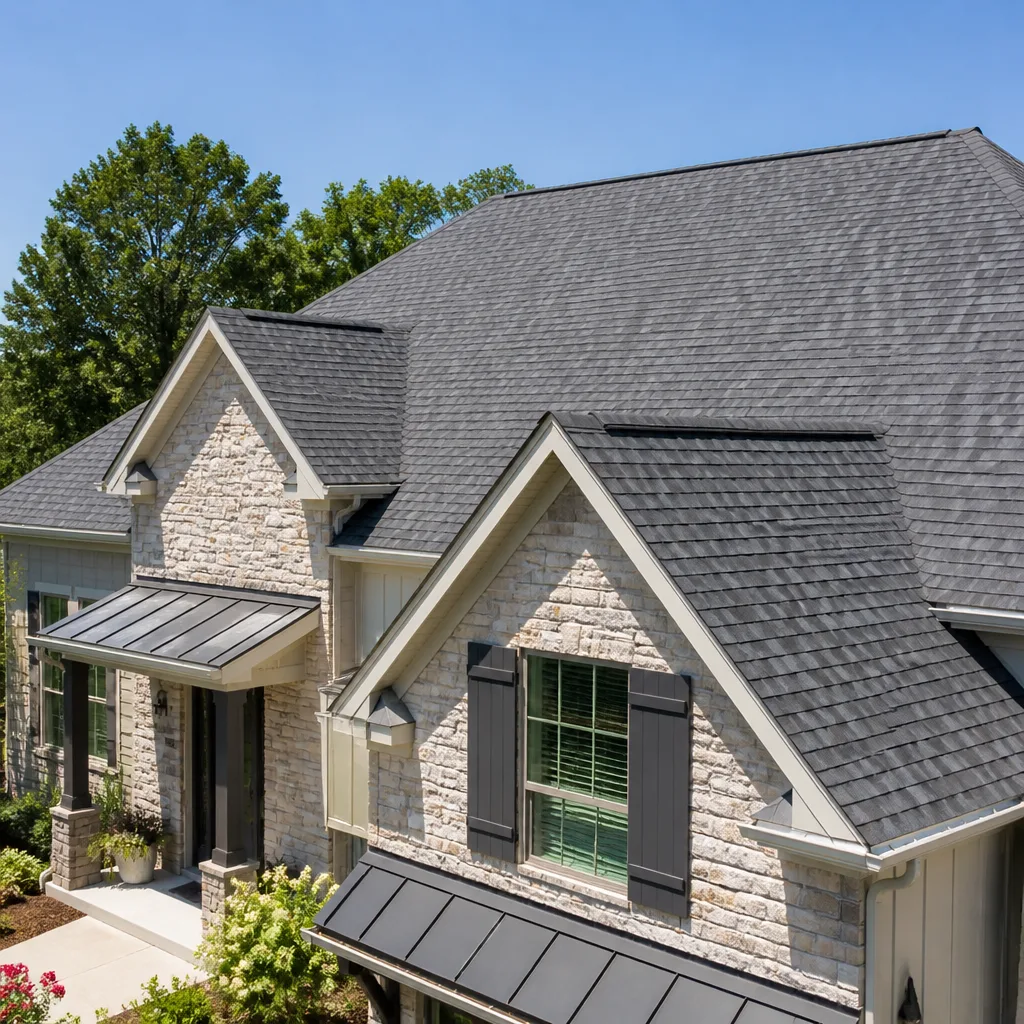 Architectural shingles
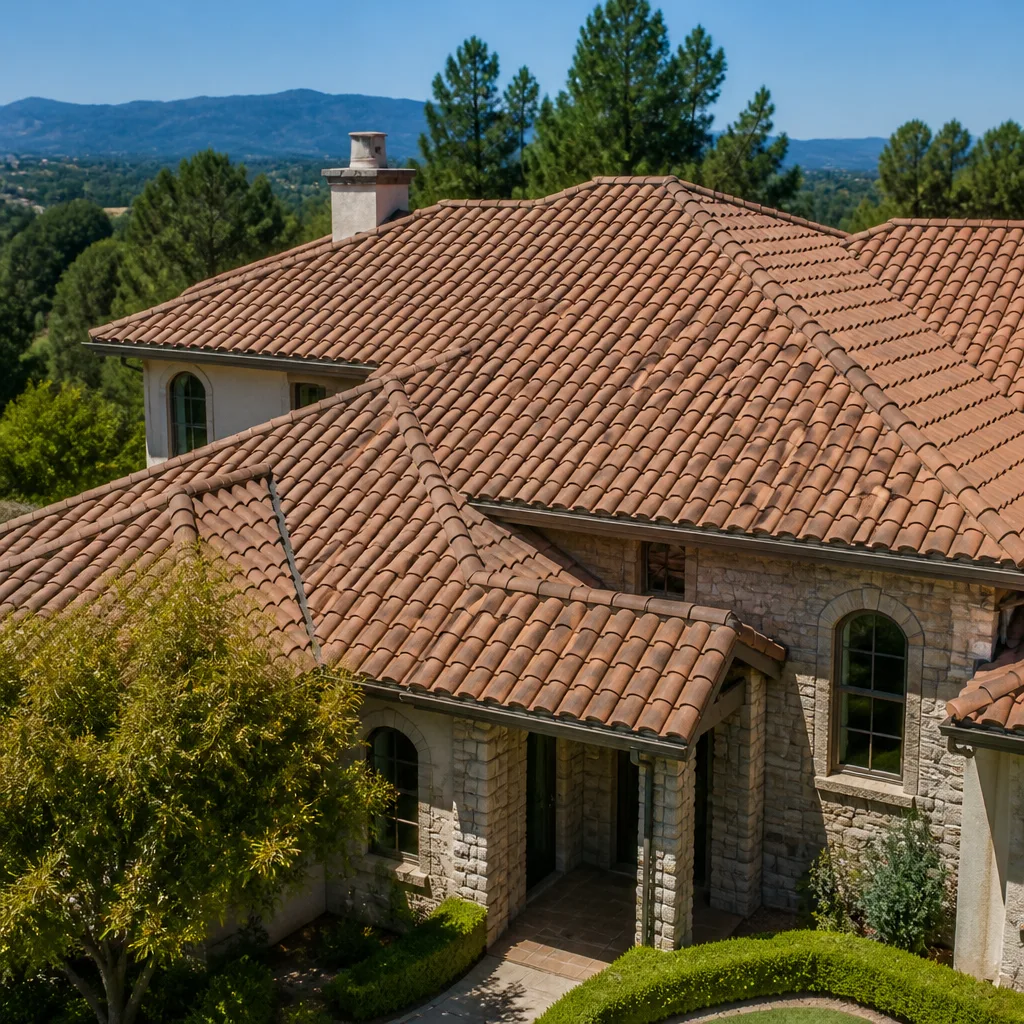 Tile roofing
 GAF
 Owens Corning
 Flat & low-slope
Free roof inspection with deck photos before we talk money - GAF and Owens Corning certified installation
Roofing Permits, Codes & Inspections in Syracuse, NY: What You Need to Know
Most homeowners assume a permit is just paperwork a contractor handles so nobody gets fined. That undersells what a permit actually does for you. In Syracuse, the permit record is the only independent proof that your roof was built to code by someone accountable for it. Skip it and you haven’t just broken a rule; you’ve removed the paper trail that insurers and title companies rely on when things go wrong. This guide explains exactly when a permit is required for roofing work in Syracuse, what the inspection actually checks, how the New York State Energy Code applies to replacement jobs, and what to do if you discover previous work was never permitted.
Quick Answer
In Syracuse and the surrounding parts of Onondaga County, a full roof replacement or any structural work to the roof deck requires a building permit and at least one inspection. Straightforward repairs to an existing covering, such as patching a small leak or replacing a few damaged shingles with matching material, generally do not. The safe rule: if the work changes or replaces the roofing system rather than restoring it, ask your city’s code office before anyone touches the roof. When in doubt, call (844) 834-3413 and we’ll tell you straight whether your job needs a permit.
Styles & brands we work with
- Architectural shingles
- Metal roofing
- Tile roofing
- GAF
- Owens Corning
- Flat & low-slope
Table of Contents
- When Is a Roofing Permit Required in Syracuse?
- Repair, Replacement, or Shingle-Over: Where the Line Falls
- What the Inspection Actually Checks (and Who Shows Up)
- How Unpermitted Work Affects Insurance and Title
- New York’s Energy Code and Your Roof Replacement
- How to Permit Work That Was Done Without a Permit
- What to Ask a Contractor About Permits
When Is a Roofing Permit Required in Syracuse?
A roofing permit is required any time the work alters the structure of the roof or replaces its covering as a system rather than a patch. The City of Syracuse enforces the building code through its code enforcement office, and the surrounding towns in Onondaga County run their own permitting separately, so the office you call depends on exactly where the house sits. A property inside city limits is not governed by the same office as one a mile outside them.
Work that typically needs a permit:
- Full tear-off and replacement of asphalt shingles, even when the framing isn’t touched.
- Adding a second layer of shingles over an existing layer, where local code allows it at all.
- Any repair to the roof deck, sheathing, rafters, or structural framing.
- New or enlarged roof penetrations such as skylights, dormers, or a chimney rebuild.
- Changing the roof material type, for example from a standard shingle to Boral’s synthetic shake or a heavier product with a different load profile.
- Installing new ventilation that requires cutting the deck or framing.
Work that usually does not:
- Patching a localized leak without removing large sections of roofing.
- Replacing a handful of damaged shingles with material that matches the existing covering.
- Sealing or repairing flashing around an existing chimney or vent.
Those are general guideposts, not the final word. The one certain answer comes from the code office responsible for that specific address. Calling them takes a few minutes and prevents a much longer conversation later. When we scope a roof in Syracuse, identifying the right permitting authority is one of the first things we do, because a job that stalls mid-project for lack of a permit is a problem nobody wants.
Repair, Replacement, or Shingle-Over: Where the Line Falls
The distinction that matters most to your wallet, your permit, and your insurance is between restoring an existing roof and replacing the covering. A repair keeps the existing system and extends its life. A replacement removes the system and installs a new one. That difference drives whether a permit is triggered, whether an inspection is scheduled, and how your insurer will view a future claim.
Repairs: restoring what’s there
A repair is limited scope: re-securing loose shingles, sealing a leaking valley, replacing damaged flashing. It addresses a failure in one part of the roof without disturbing the rest. Most repairs don’t require a permit because they don’t alter the structure or the covering as a whole. Repairs do have limits. They buy time and they address a specific problem. They do not reset the clock on a roof that’s simply worn out.
Full replacement: the permit question is settled
A full tear-off and replacement is the case where the permit is not optional. The code office wants to know the new covering meets material and installation standards, the deck is sound, and the job follows the ventilation and insulation rules that now apply to replacements. Skipping it doesn’t make the work invisible. It makes it undocumented, which is worse.
Shingle-over: sometimes legal, sometimes not
Laying a new layer of shingles over an existing layer (often called a shingle-over or overlay) is a particular sore spot, because some homeowners hear it’s cheaper and never ask whether it’s allowed for their roof. Overlays are restricted or prohibited in many jurisdictions, and even where permitted, they add weight to the structure and hide the deck. If a shingle-over is allowed where your home sits, it still requires a permit in most cases because the covering itself is being replaced. Before you agree to one, find out the limit on total layers and whether your existing roof already has two. In our experience, the money an overlay saves up front often disappears the next time the roof is due, when both layers have to come off.
If you’re not sure which category your job falls into, a professional assessment settles it without guesswork. We recommend our Stratford Roof Repair inspection-first process for exactly this reason: it identifies whether a repair will hold or whether replacement is the honest answer, before any permit discussion begins.
What the Inspection Actually Checks (and Who Shows Up)
A roofing inspection is a code compliance check, not a quality opinion. The inspector is there to confirm the work meets the building code and the approved plans, not to grade the crew’s craftsmanship. On a typical residential replacement, a single inspection is scheduled after the new covering is installed and the job is complete. Some projects require a mid-course inspection of the deck or flashing before the new covering goes on, depending on what the permit specifies.
What the inspector looks at:
- The deck: whether damaged sheathing or framing was replaced, and whether the surface is sound.
- Flashing: the metal that seals around chimneys, walls, valleys, and vents, checked for correct installation and material.
- Ventilation: that intake and exhaust venting meet the code’s requirements for the roof design.
- Underlayment and ice barrier: the layers beneath the shingles, particularly ice dam protection along the eaves.
- The covering itself: correct product installed per the manufacturer’s instructions.
- Insulation and energy details, where the replacement triggers those requirements.
The inspector is a municipal code official or a third party the code office contracts. They arrive at a scheduled time, check the work against the code and the permit, and either pass it or provide a correction notice. If corrections are needed, the work is adjusted and re-inspected, and the permit is signed off once it passes.
Timeline-wise, inspections are scheduled through the code office and typically happen within days of the job being completed, though the wait depends on the office’s current workload. That means the schedule needs to account for the inspection window so the final sign-off doesn’t lag the project. A contractor who builds the inspection into the project plan from the start keeps the finish date honest. That’s one reason we treat roof replacement as a sequenced process, not just a day of installation.
How Unpermitted Work Affects Insurance and Title
This is the part that surprises homeowners, and it’s why we lead with it. A permit isn’t just a government file; it’s the third-party evidence that your roof was built to code. When that evidence is missing, two systems that you rely on most both notice.
Homeowner’s insurance claims
Insurance policies commonly require that work on a covered property be code-compliant and properly permitted. When a claim arises from a roof problem, the adjuster may look at whether the roof system was installed correctly and to code. If the work was done without a permit and without an inspection record, the insurer has no way to confirm code compliance, and the claim can be denied or reduced. The exclusion often lives in the policy wording quietly, in a clause that says non-compliant or unpermitted improvements aren’t covered. An ice dam, wind damage, or interior water loss that would otherwise be covered can become the homeowner’s full out-of-pocket problem. The dollar amount isn’t predictable, but the exposure is real and it doesn’t show up until you need the policy most.
What a title search reveals when you sell
When a home is sold, buyers and their lenders look at the property’s documented improvements, and an open or missing permit can surface in the title process. An unpermitted roof replacement doesn’t automatically stop a sale, but it can trigger requests for a retroactive permit, a correction, or a price negotiation before closing. That’s a bad moment to discover a paperwork gap: the buyer has leverage, and you need the sale to close. The cleanest path is to keep the permit record in order so nothing surfaces later.
None of this is a scare tactic; it’s the practical reason permits exist. The permit record is a second set of eyes on a job that hides behind shingles once it’s finished. The roof you can’t inspect from the ground is exactly the roof that needs a record proving it was installed right.
New York’s Energy Code and Your Roof Replacement
Roofing work isn’t just a building permit matter anymore. New York State’s energy code now applies to roof replacements in ways that go beyond shingles: it covers the insulation and ventilation elements that a replacement job touches. Codes changed after 2020, and jobs scoped under older assumptions can run into requirements that didn’t exist when the roof was last replaced.
What this means in practical terms:
- Insulation values at the roof or in the attic may need to meet current energy code requirements, which are typically higher than what an older home has.
- Ventilation requirements are part of the energy code too, because proper air movement regulates temperature and moisture in the roof assembly.
- Whether a replacement triggers these requirements depends on the scope of the job and how much of the roof assembly is being replaced.
Here’s the important limit: the exact insulation and ventilation figures for your specific job come from the code office that reviews your permit, not from a guide. We don’t quote code numbers as fixed facts, because what applies to your home depends on its construction, the scope of the replacement, and the requirements in force at the office responsible for your permit. The correct move is to ask, before the job is scoped, what energy code requirements the replacement will trigger and whether the plans need to address them. Getting this wrong doesn’t just cost money in rework; it can stall the permit and the inspection.
Syracuse’s climate makes this more than a paperwork exercise. Cold winters, snow load, and the freeze-thaw cycle around the eaves are exactly the conditions that turn poor insulation and ventilation into ice dams and moisture problems. The energy code provisions aren’t arbitrary; they exist because a roof assembly with the wrong insulation and venting handles that climate badly. A replacement scoped without them is a job that may pass one inspection and fail the next winter.
Ventilation and ice dam protection are among the details the inspection checks, which is why we raise them during the estimate instead of after the deck is open. Our technicians have up to 15 years of experience working around this climate, and we’ve seen what a poorly vented roof assembly does after a few Syracuse winters.
How to Permit Work That Was Done Without a Permit
If you discover a previous roof replacement was never permitted, you have options, and acting on them beats leaving the gap in place. The process is called retroactive permitting, and it’s essentially the same as permitting the job up front, just with an inspection of existing work instead of new work.
- Confirm the gap. Check with the code office for your address whether a permit was pulled for the roof. If you can’t find the record, ask them directly.
- Find out what the code office requires for a retroactive permit. Some offices want drawings and a scope description; others have a specific process for existing work. Ask what documentation they need before you hire anyone.
- Get an inspection of the existing roof. A qualified roofing professional assesses the current covering, deck, flashing, and ventilation so the permit application describes what’s actually there. This is where a roof repair mindset matters: you want to know whether the roof is sound enough to be permitted at all, or whether it needs correction first.
- File the application and schedule the inspection. The code office reviews the application and sets an inspection of the existing work.
- Correct what the inspection flags, then close the permit. Corrections are common on unpermitted work because no one was checking during installation. Once it passes, you have the record that protects you.
The cost of a retroactive permit varies by code office, so we don’t quote a dollar figure; find out the fee from the office responsible for your address. The more meaningful comparison is the cost of a retroactive permit against the risk of leaving it undisclosed. A retroactive permit is a known, finite cost that resolves the issue. An undisclosed gap is an open question that can surface at a claim or a closing, when you have the least room to negotiate.
If you’re facing an unpermitted roof and want to know what condition it’s actually in before you start the process, a professional roof inspection is the sane first step. Stratford Roof Repair offers roof inspection as a standalone service with no obligation to repair or replace.
What to Ask a Contractor About Permits
The permit conversation is one of the quickest ways to tell a careful contractor from a hasty one. A contractor who handles permits routinely will answer these questions without hesitation. One who deflects is telling you something.
- “Will you pull the permit, and whose name is on it?” The permit should be pulled for your address and the work described accurately, not left to you or skipped entirely.
- “What inspections will this job require, and when?” The answer tells you whether the contractor understands the sequencing the code office requires.
- “Will the final inspection be included in the contract?” It should be. A job isn’t finished until the permit is closed.
- “Does this replacement trigger energy code requirements for insulation and ventilation?” Ask it before signing, not after the deck is open.
- “If the inspection finds corrections, who handles them?” On a properly run job, the contractor does.
- “Can you show me the permit and final inspection documentation when you’re done?” The paperwork is yours to keep, and you’ll want it if you ever sell or file a claim.
One more thing to weigh: a contractor with a single-brand shop may steer you toward the material they carry, regardless of what your roof actually needs. We work across seven major shingle manufacturers, including GAF, CertainTeed, and Atlas, so the material recommendation follows the roof and your budget rather than a supplier arrangement. That breadth is a small thing until you’re choosing between lines from different brands and want the one that fits, not the one that’s in stock. For homeowners in Syracuse, where the roof has to handle lake-effect snow and a freeze-thaw cycle that punishes any weak detail, material choice and installation details are worth getting right the first time.
Common Mistakes to Avoid
- Assuming a repair always avoids a permit. Large repairs that disturb the deck or swap the covering on a whole roof section can require one. Ask the code office before assuming, because an unpermitted big repair creates the same exposure as a full replacement.
- Hiring the lowest bid without asking about permits. A bid that leaves the permit out isn’t cheaper; it just moves the cost and the risk to you later.
- Agreeing to a shingle-over without checking whether your roof can take one. Many roofs already have the maximum layer count allowed, and an overlay that isn’t permitted can void the coverage.
- Skipping ice barrier at the eaves because “it never mattered before.” In Syracuse winters, ice dams are a predictable problem, and the code requires protection at the eaves for a reason. Leaving it out is a mistake the next thaw finds.
- Letting the contractor tell you the inspection is “just a formality.” It’s the moment the code office signs off on the job, and it should be scheduled and closed, not waived.
- Discovering unpermitted work at closing. If you’re preparing to sell, check the permit record now, while there’s time to resolve it without pressure.
- Assuming your insurance will simply cover a roof claim regardless of permits. The policy may require code-compliant, permitted improvements. Read the exclusions before you need them.
See the difference
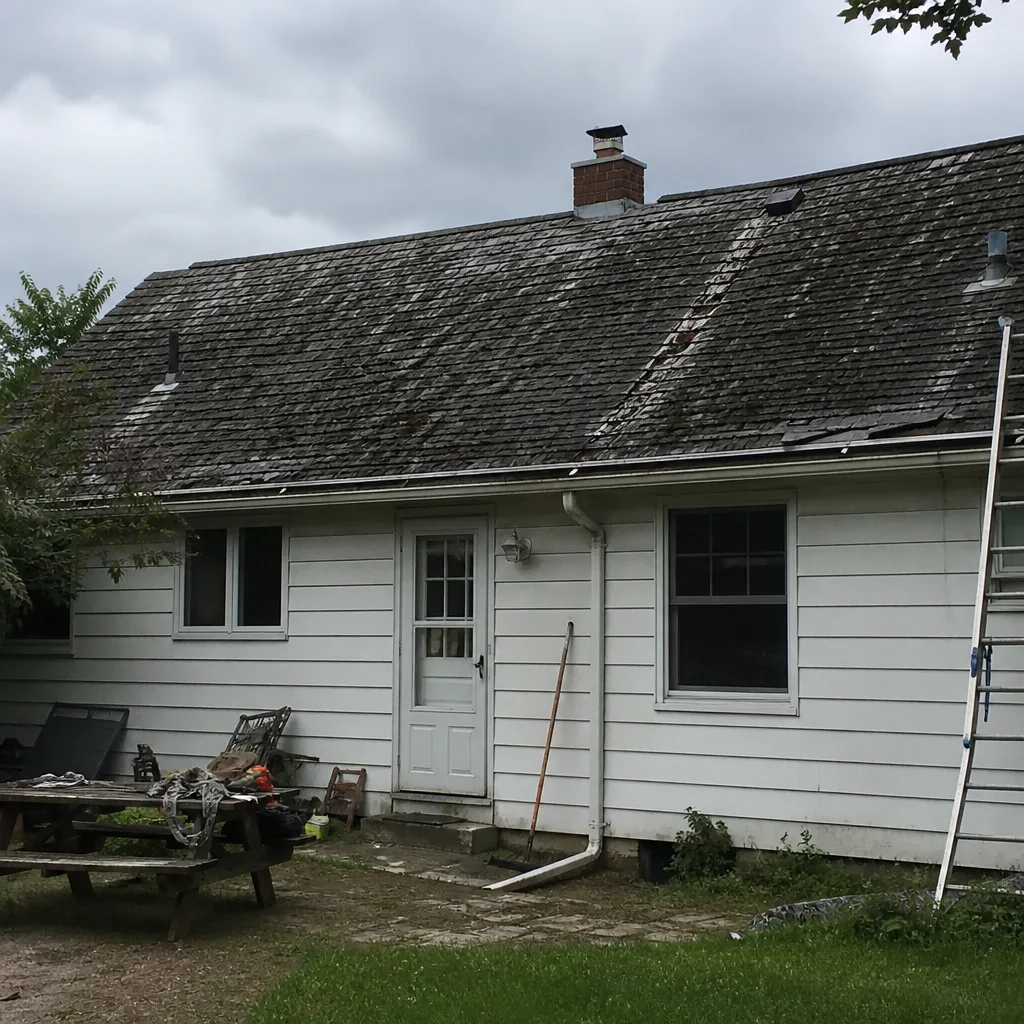 Before
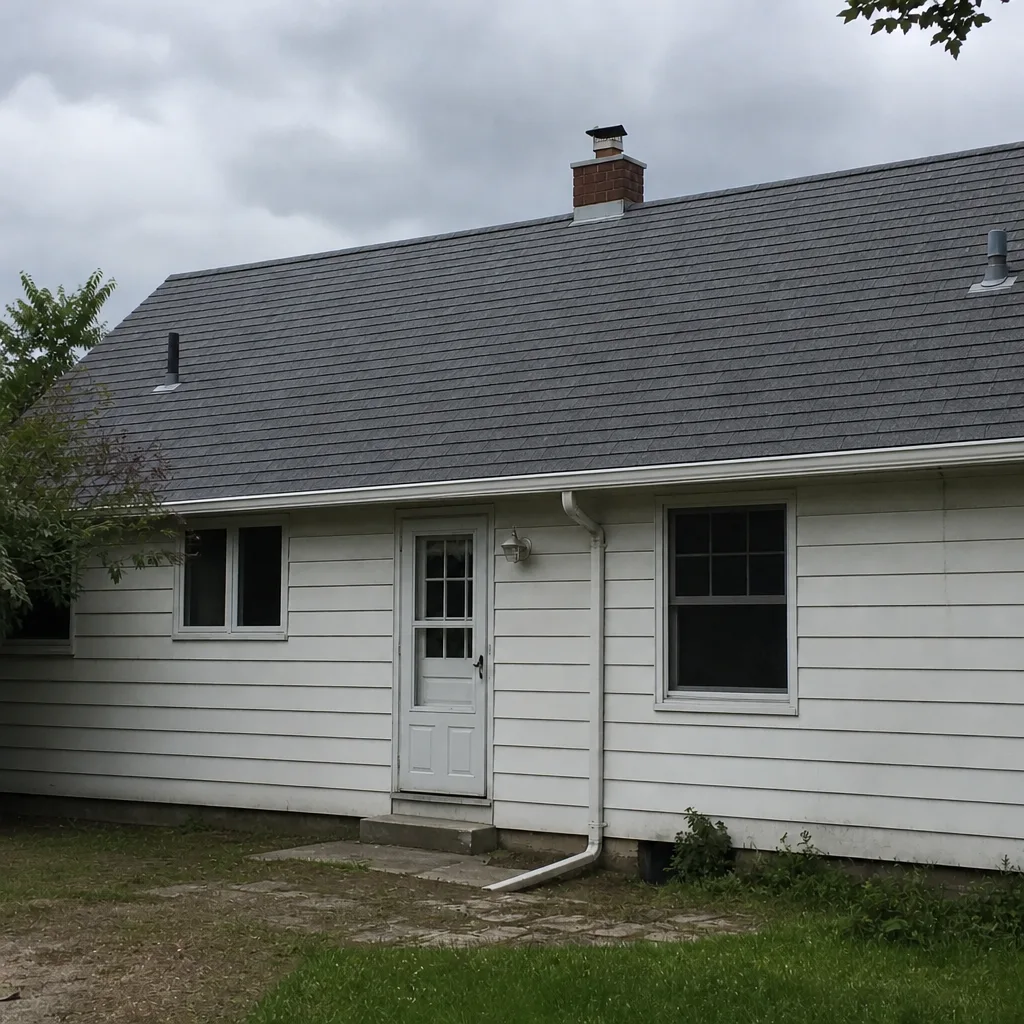 After
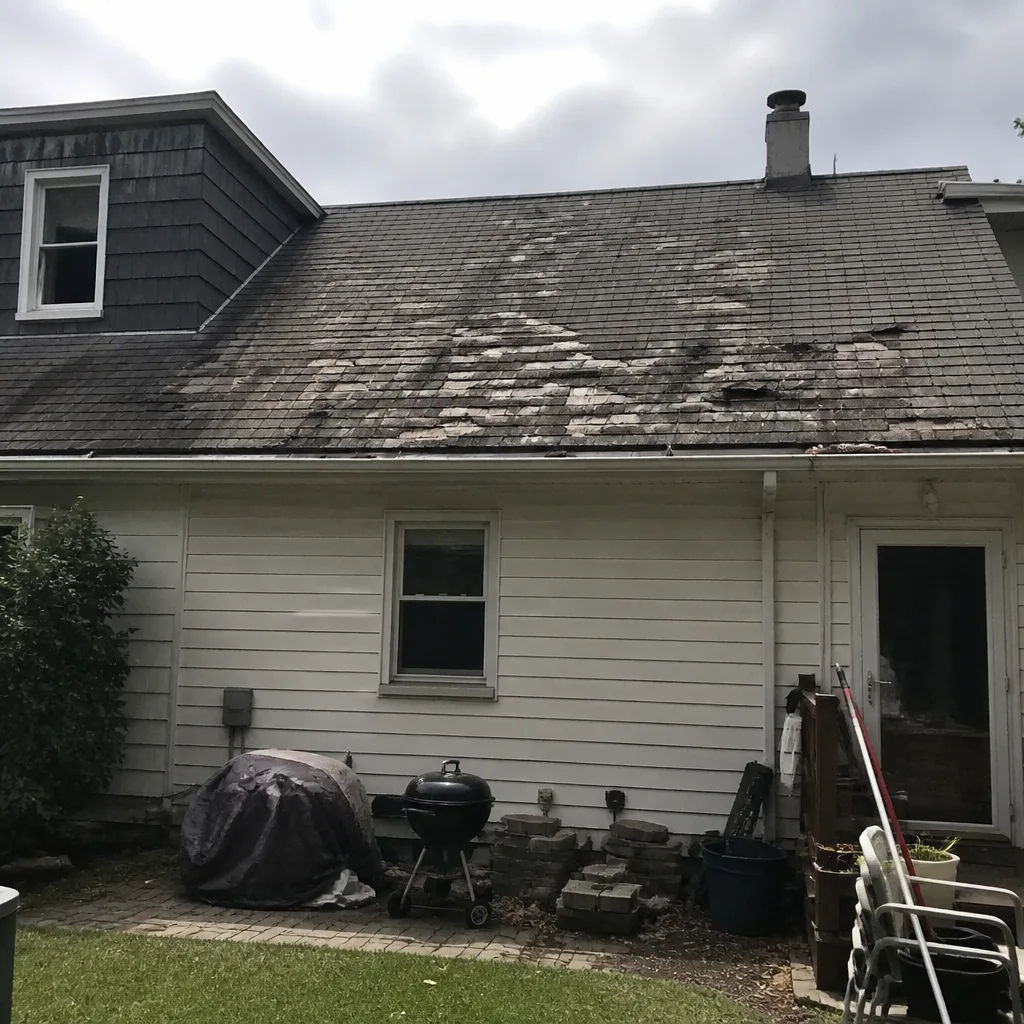 Before
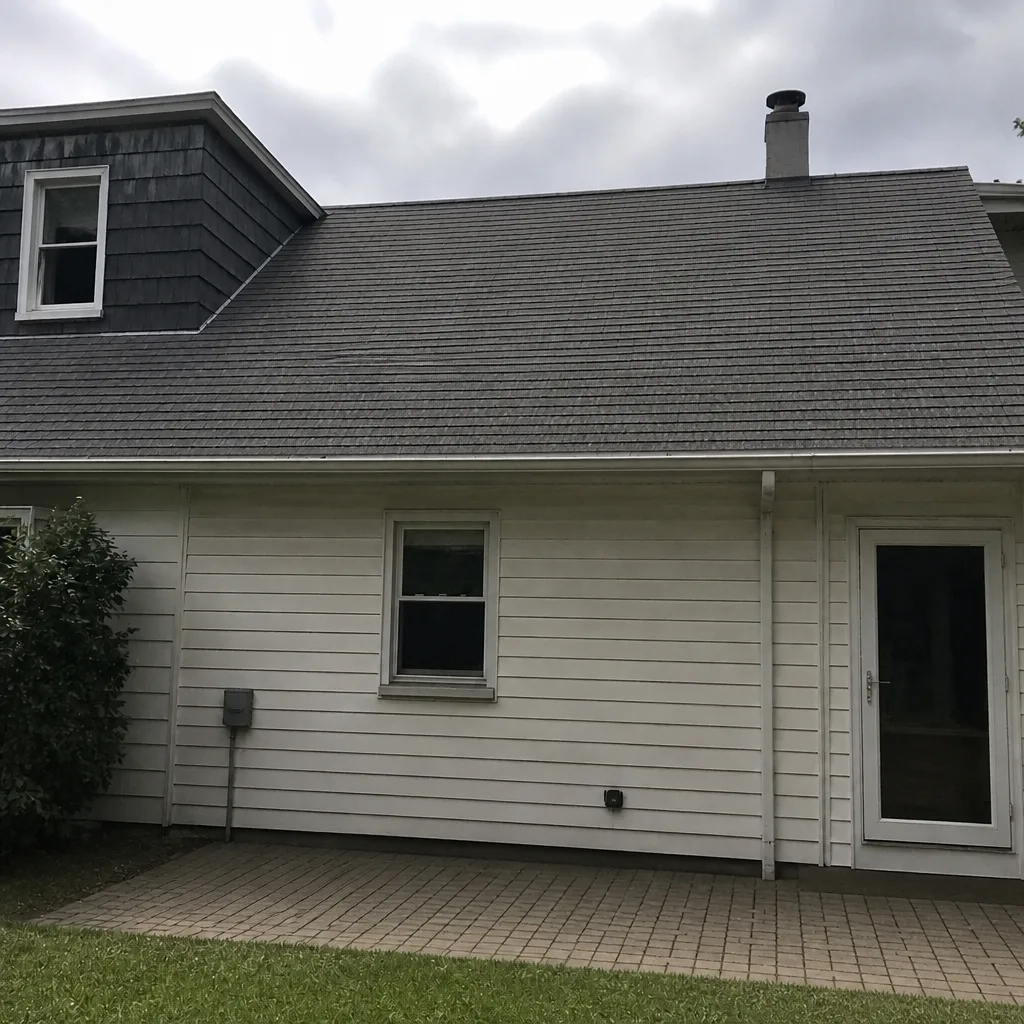 After
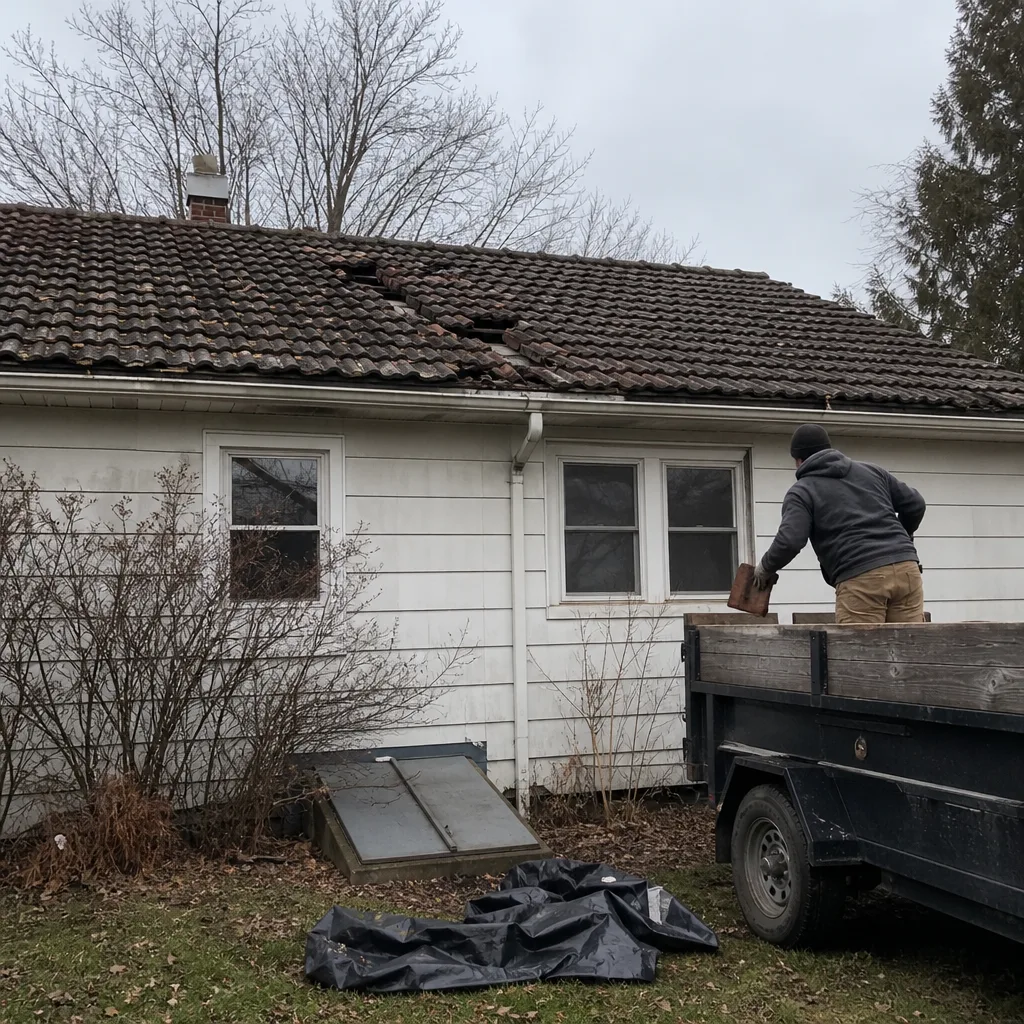 Before
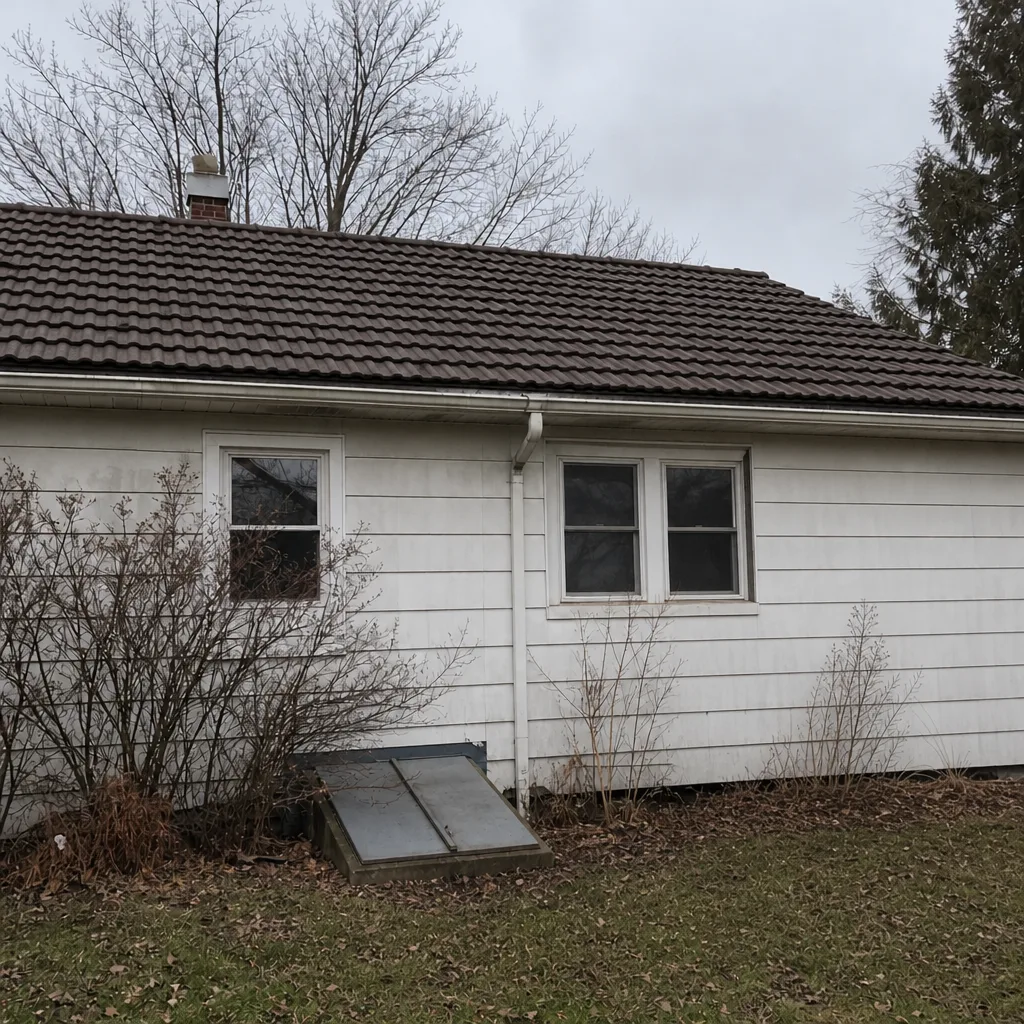 After
When to Call a Professional
Some roof decisions are simple. A missing shingle after a windstorm, a small leak traced to a bad flashing joint, or a cracked pipe boot are all repairs, and we can tell you what they involve. Where it gets serious is when the roof needs more than a patch. If you’re facing a full replacement, an unpermitted previous install, a failed inspection, or a title question on a home you’re selling, that’s when a professional assessment matters most. We can tell you what condition the roof is in, what the code office is likely to require, and whether the smarter path is repair or replacement. Stratford Roof Repair offers free estimates in Syracuse. Call (844) 834-3413. We answer 24/7. Fast dispatch from 7am to 7pm, Sunday through Friday.
Frequently Asked Questions
Yes. A full roof replacement or any structural work to the roof deck requires a building permit in Syracuse and the surrounding parts of Onondaga County. Small repairs that restore the existing covering generally don’t. Confirm with the code office responsible for your address, and call (844) 834-3413 if you want us to help you figure out which category your job falls into.
Usually not, if the repair is limited in scope and doesn’t touch the structure or replace the covering as a system. Repairs that disturb the deck, change the material, or replace a whole roof section can require one. When in doubt, call (844) 834-3413 for a free estimate; we’ll tell you whether your job is likely to need a permit.
The work can be permitted retroactively through the code office, which usually involves an inspection of the existing work and corrections if it doesn’t meet code. Leaving it undisclosed risks problems at an insurance claim or a home sale. Call (844) 834-3413 and we’ll assess the roof’s condition first, so you know what you’re working with.
The fee is set by the code office responsible for your address, so call and ask them directly for the figure. The comparison that matters is a known permit fee against the open-ended risk of an unpermitted, undisclosed roof. Call (844) 834-3413 for a free estimate on the roof inspection that starts the process.
Often, yes. New York’s energy code can apply to insulation and ventilation elements of a roof replacement, and the requirements are typically higher than what an older home has. The exact figures for your job come from the reviewing code office. Call (844) 834-3413 and we’ll help you ask the right questions before the project is scoped.
It can. Policies commonly require that improvements be code-compliant and permitted, and a claim from an unpermitted roof can be denied or reduced because there’s no inspection record confirming compliance. Read your policy’s exclusions, and call (844) 834-3413 for a free estimate if you want the roof evaluated.
In most cases yes, because the covering itself is being replaced, even though the existing layer stays underneath. Overlays are also restricted or prohibited in many places, and not every roof can take a second layer. Call (844) 834-3413 for a free estimate and we’ll tell you whether your roof can take one and what it means for permitting.
You can, but the missing permit can surface in the title process and give the buyer leverage before closing. It’s better to resolve it before the sale than during it. Call (844) 834-3413 for a free estimate and we’ll help you start with a clear picture of the roof’s condition.
The Bottom Line
A roofing permit isn’t bureaucracy; it’s the record that protects you when an insurance claim or a home sale turns on whether the work was done right. In Syracuse, a full replacement or structural work needs a permit and an inspection, while limited repairs usually don’t. New York’s energy code now touches insulation and ventilation on many replacements, so ask before the job is scoped. If you find unpermitted work, permit it retroactively rather than leaving it buried. And when you hire, ask who pulls the permit and whether the final inspection is part of the contract. Get those answers in writing, keep the paperwork, and the roof on your home stays documented, insurable, and sellable for as long as it lasts. Call (844) 834-3413 for a free estimate.
Written by the team at Stratford Roof Repair.